Positives sprout from burnt national park
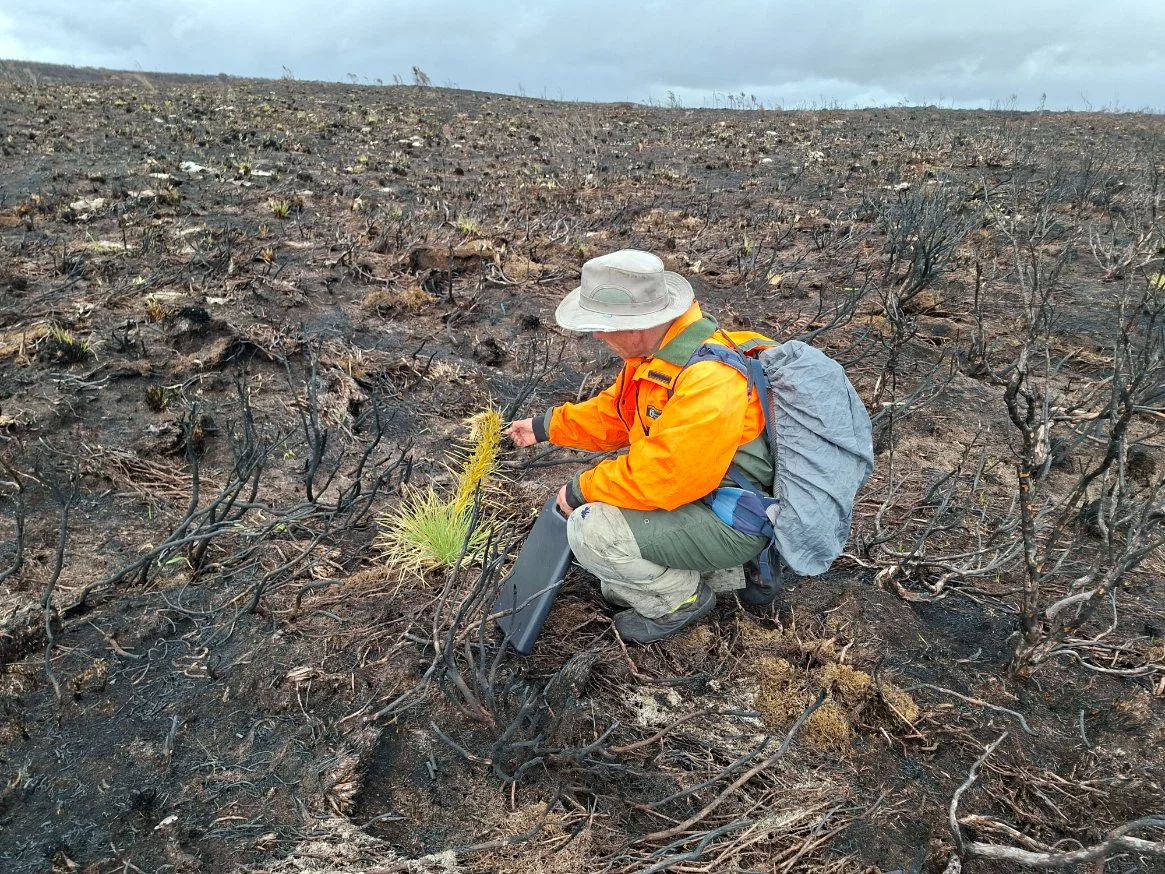
Some good news is sprouting from the fire-damaged Tongariro National Park with ecologists discovering an abundance of a threatened plant species.
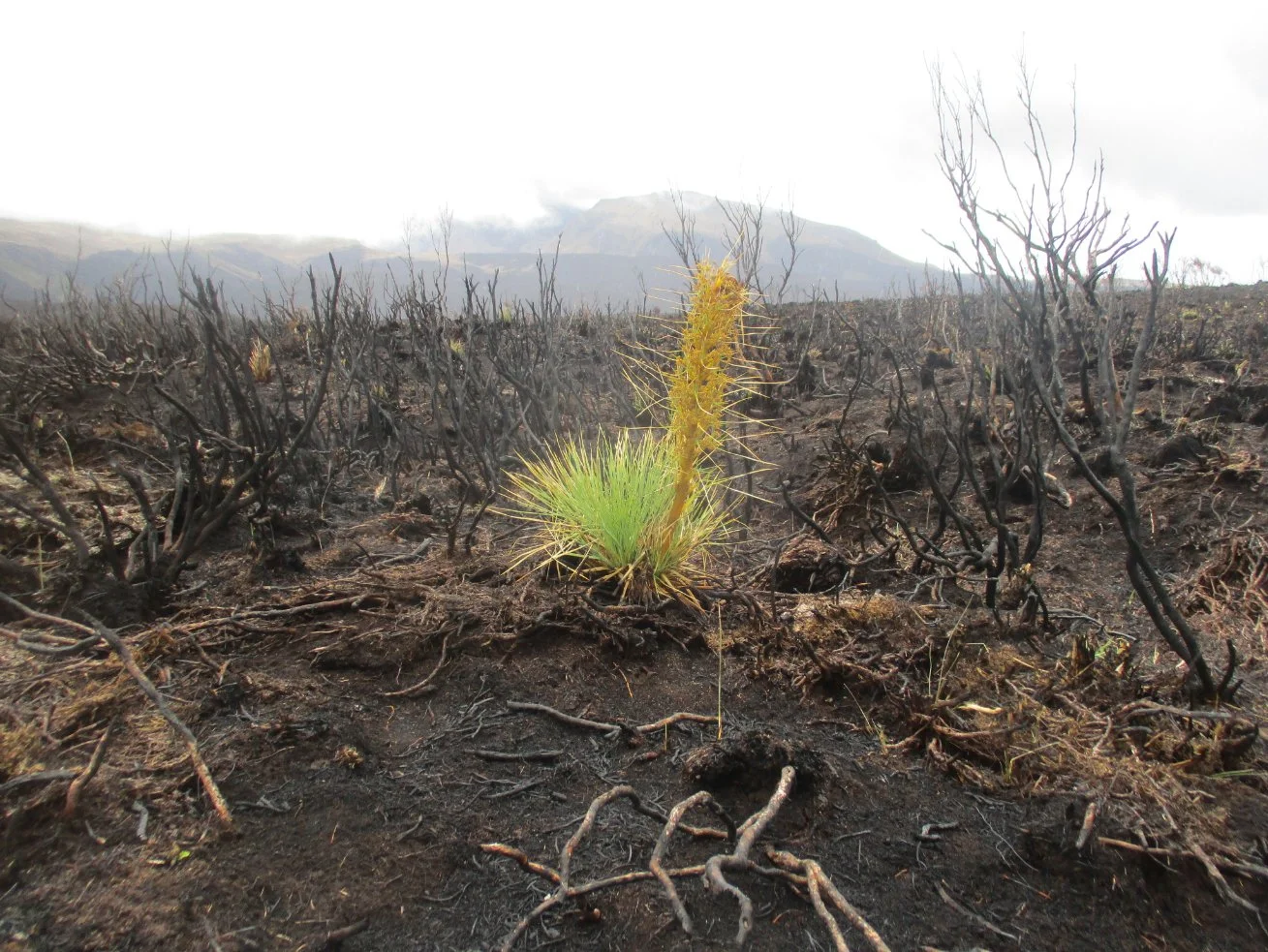
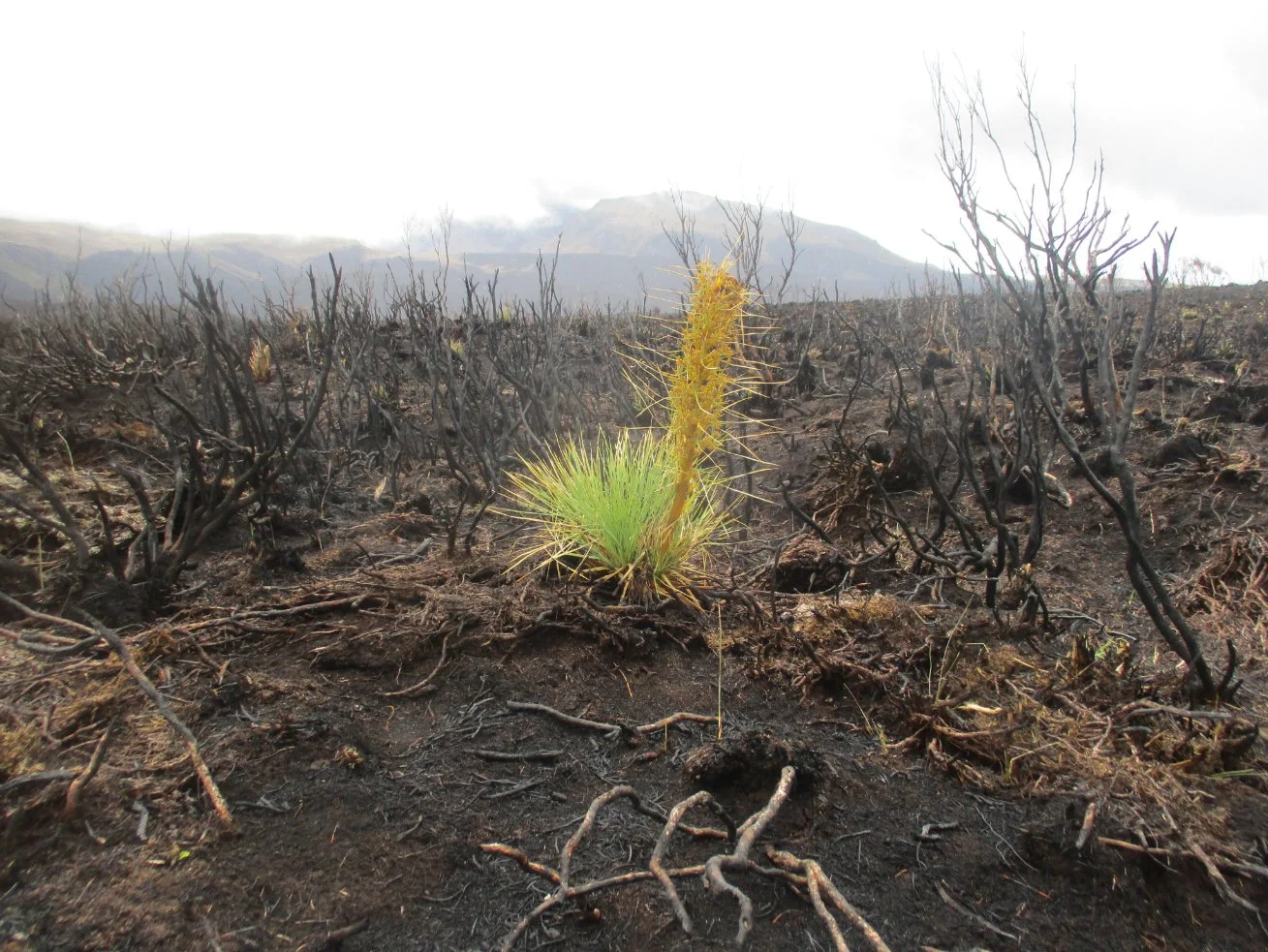
Normally hidden in the dense tussock, flax and mānuka scrub, the Volcanic Plateau speargrass has been exposed by the fire-cleared landscape, following the fires in late 2025 that burned through about 3000ha.
Department of Conservation Technical Advisor and botanist Paul Cashmore says although the plant was known in the area, its abundance wouldn’t have been understood without the fires.
“It clearly can survive a fire, and we expect to see it increase even more over the next few years while there is less competition for light from taller growing vegetation.”
The speargrass is just one of the surprises ecologists came across in their post-fire assessments.
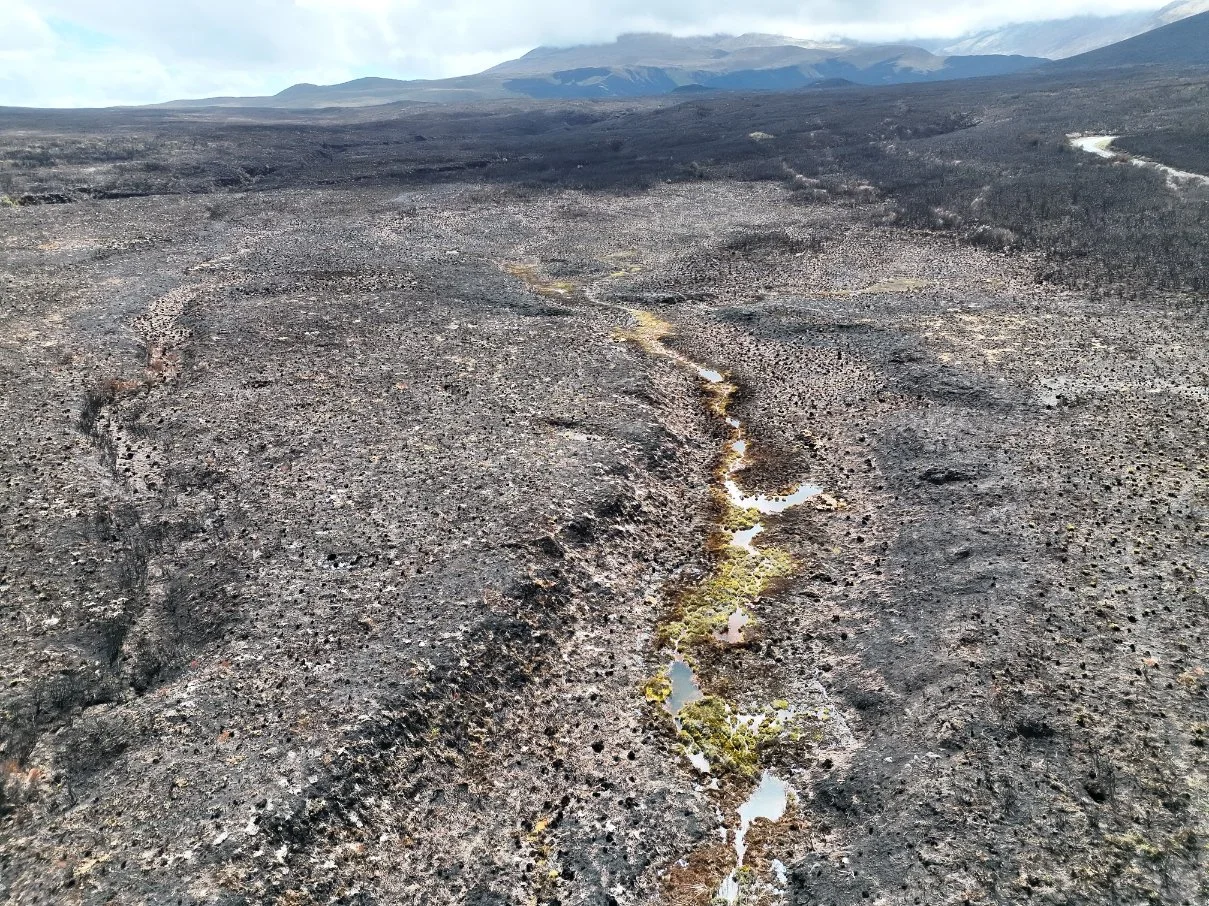
Wetlands were only partially impacted by the fire with many wetter areas remaining unburnt.
Paul says the fires burned very quickly with varying levels of impact on the different habitats.
“One of our memorable experiences in the field was walking into a completely intact stand of Hall’s tōtara, with a chorus of native birds including toutouwai/robin!
“Remnant patches of vegetation like this act as refuges where flora and fauna have survived, which can assist with natural recolonising of the burnt area.”
Paul says there’s still plenty of work to be done.
Visitors can help by staying on the tracks because walking on burnt areas can introduce new threats like weeds and affect the recovery of slow growing alpine plants.
There is a 10-year rāhui or ban in place for the burnt areas so people should stick to the marked tracks, Paul says.