
Future of council under review
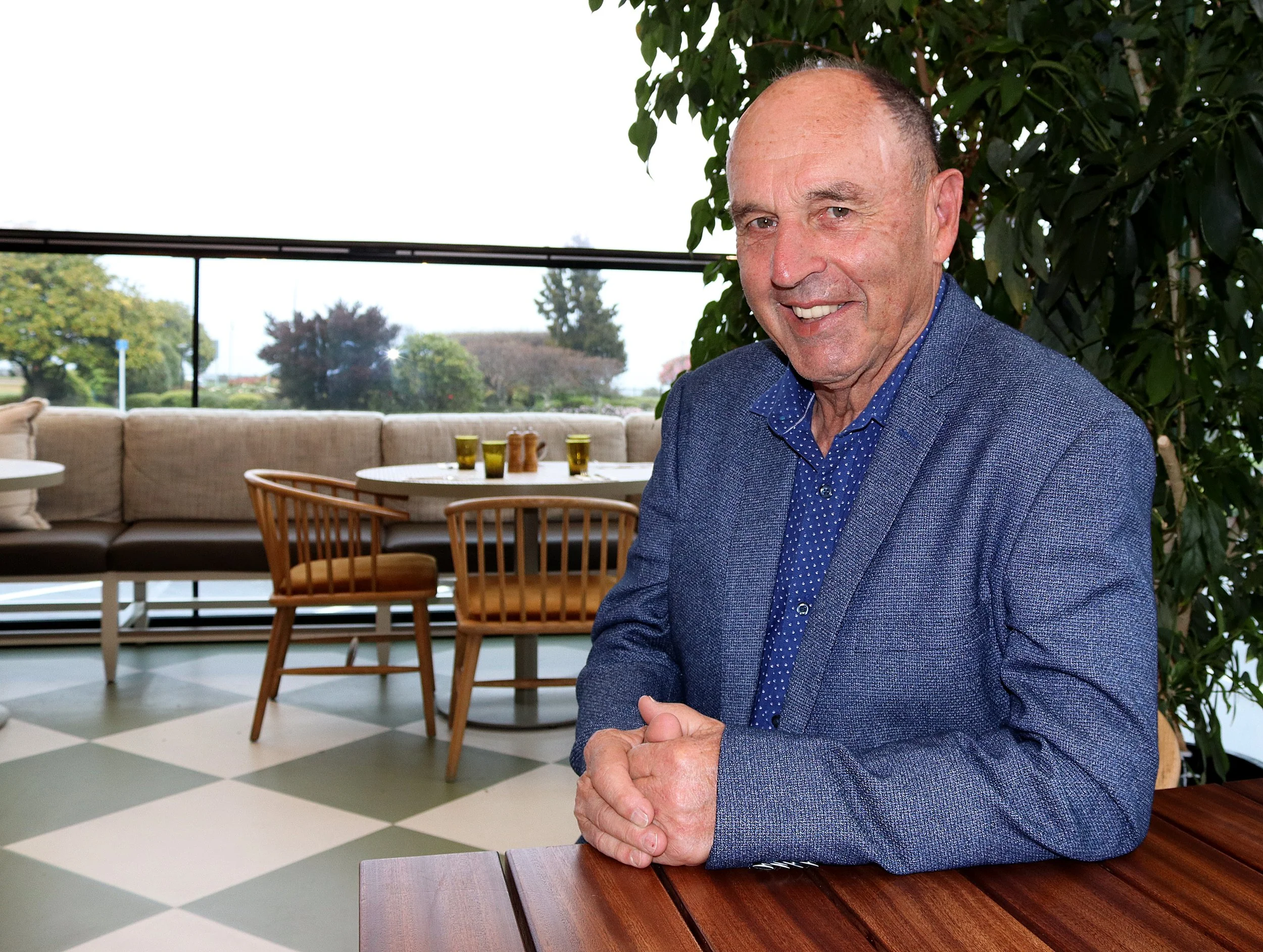
Taupō Mayor John Funnell. Photo: Dan Hutchinson
When Taupō Mayor John Funnell got the top job last year, he had no idea he would at some point be given three months to convince Wellington how and if his council should still exist.
By Bronson Perich – Local Democracy Reporter
But that’s what happened. RMA Reform and Infrastructure Minister Chris Bishop and Local Government Minister Simon Watts issued an edict this week giving councils an ultimatum: “Lead your own reform, or we will do it for you.”
“From [May 6], councils have three months to work with others in their region and put forward proposals for how they want to reorganise their local government arrangements,” Watts said on Tuesday.
Bishop said change was needed because our local government system was, “too complex, too costly, and too hard to navigate”.
But Funnell said he needed more time to work with his surrounding councils to decide where the axe should fall.
“I’m mindful that decisions made in haste might not always arrive at the best outcome,” Funnell said.
“Any consideration of a change this large needs to be carefully worked through and properly informed.”
“Three months is an extremely tight timeframe.”
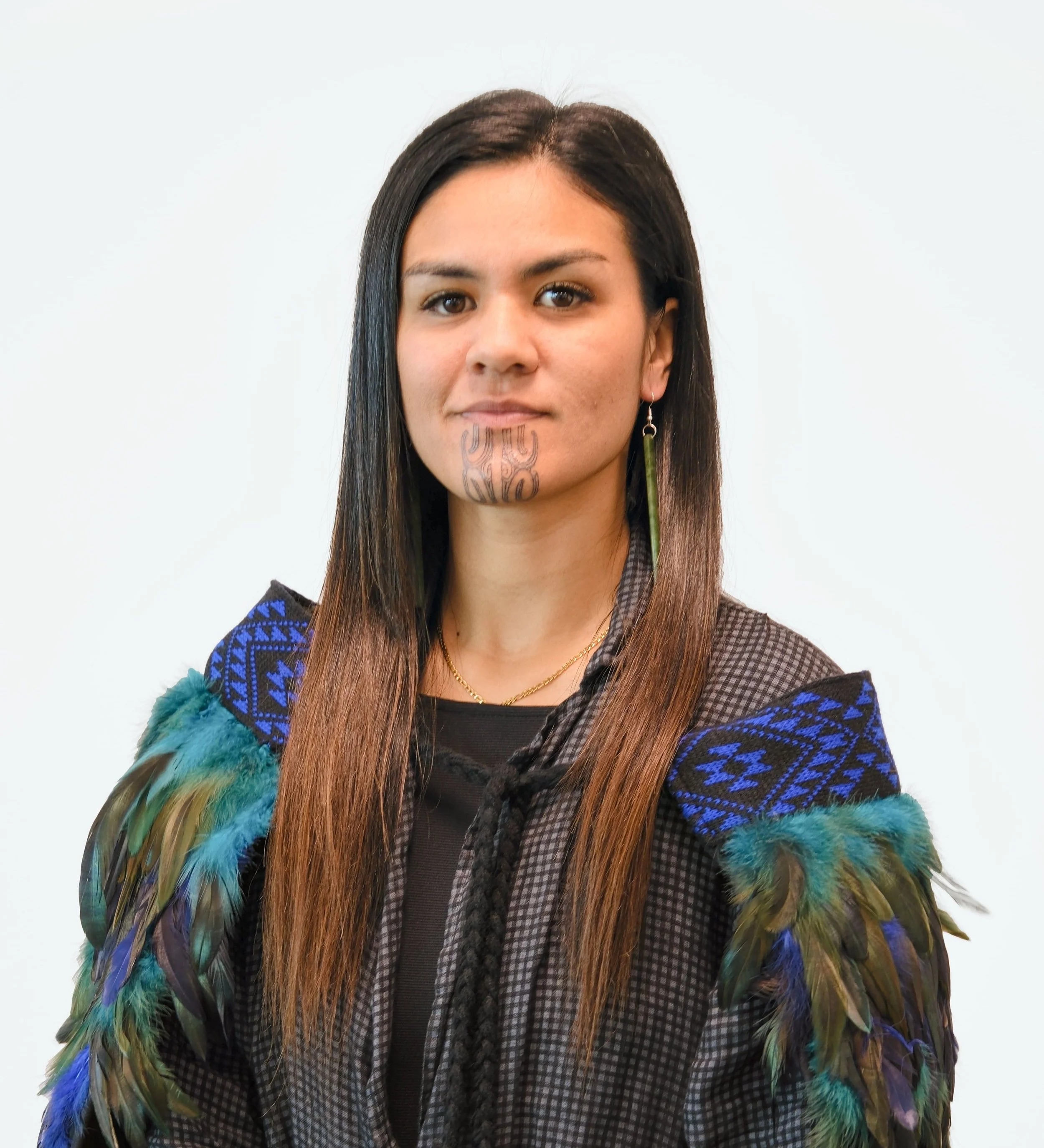
Te Papamārearea ward councillor Wahine Murch.
Every council is different
Local Government New Zealand (LGNZ) advocates for member councils and their president, Rehette Stoltz, says councils need flexibility to deal with their complex issues.
“Some regions will be ready to submit proposals to the Government by 9 August,” Stoltz said.
“Other regions have greater complexity that needs to be worked through. That needs to be respected.”
Regional councils cut first
While the call for councils to propose their fate is new, local government reform is not. In November last year, Watts and Bishop announced regional councils would be abolished, with city and district mayors would be assigned to take up the slack.
“The Government does not think local government is serving New Zealanders well,” Bishop said.
While LGNZ could not stop the abolition, they’re it is happy the Government decided the regional councillors would serve out the rest of their terms. The abolition comes into effect in October 2028.
‘Concerned about the loss of local voice’
Funnell said he had yet to reach a position on whether Taupō District Council seek to amalgamate or stay alone. His immediate concern for the effects of the reforms.
“I’m concerned about the loss of local voice and decision-making these reforms could bring,” Funnell said.
Funnell said he intended to raise his concerns with central government as soon as possible.
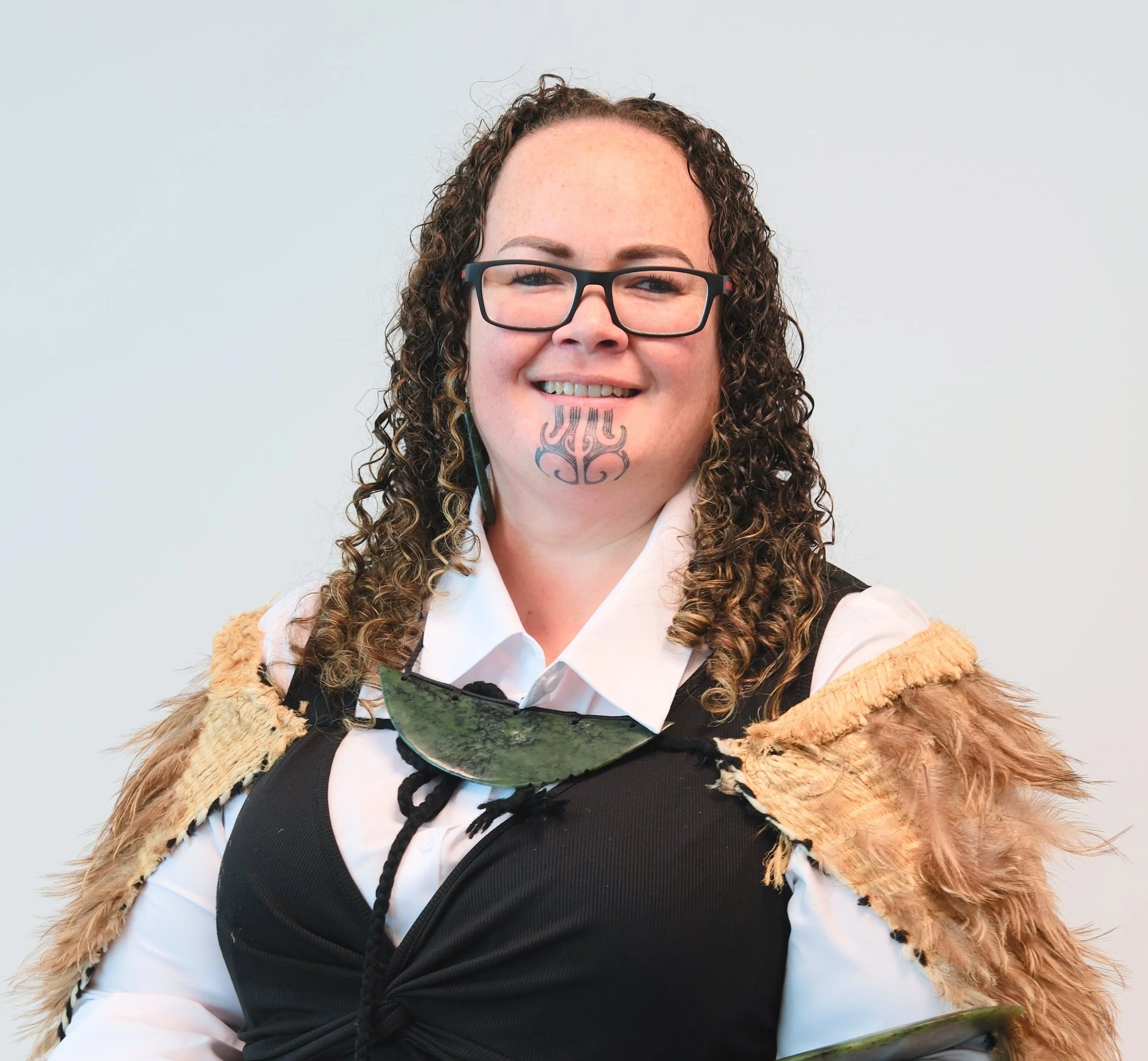
Te Papamārearea ward councillor Ngahuia Foreman.
Māori councillors react
When Te Papamārearea (Taupō Māori ward) councillors Ngahuia Foreman and Wahine Murch swore their official oaths last year, they knew their first term would be their last.
The same election that brought them into council chambers included a referendum in which more than 9000 voters voted to get rid of the Māori ward.
It’s something Foreman says now applies to all Taupō councillors. Wellington this week issued an edict requiring councils to tell them which of them should stay and which should go.
“This ‘proposal’ actually means all of us no longer have a seat,” Foreman said.
Councillors all over the country have expressed their concerns that reducing the number of local councils could reduce local voices.
Fellow Māori ward councillor Murch put it simply, “Nobody understands representation like the under-represented.”
While she was speaking of Māori under-representation, there are concerns her statement could apply to all of Taupō district in the future.
Taupō councillor: ‘I won’t miss it so much’
Duncan Campbell is in his second term as a Taupō ward councillor. The Auckland native was a senior traffic engineer for Waitakere City Council when it merged into the Auckland Super City in 2010.
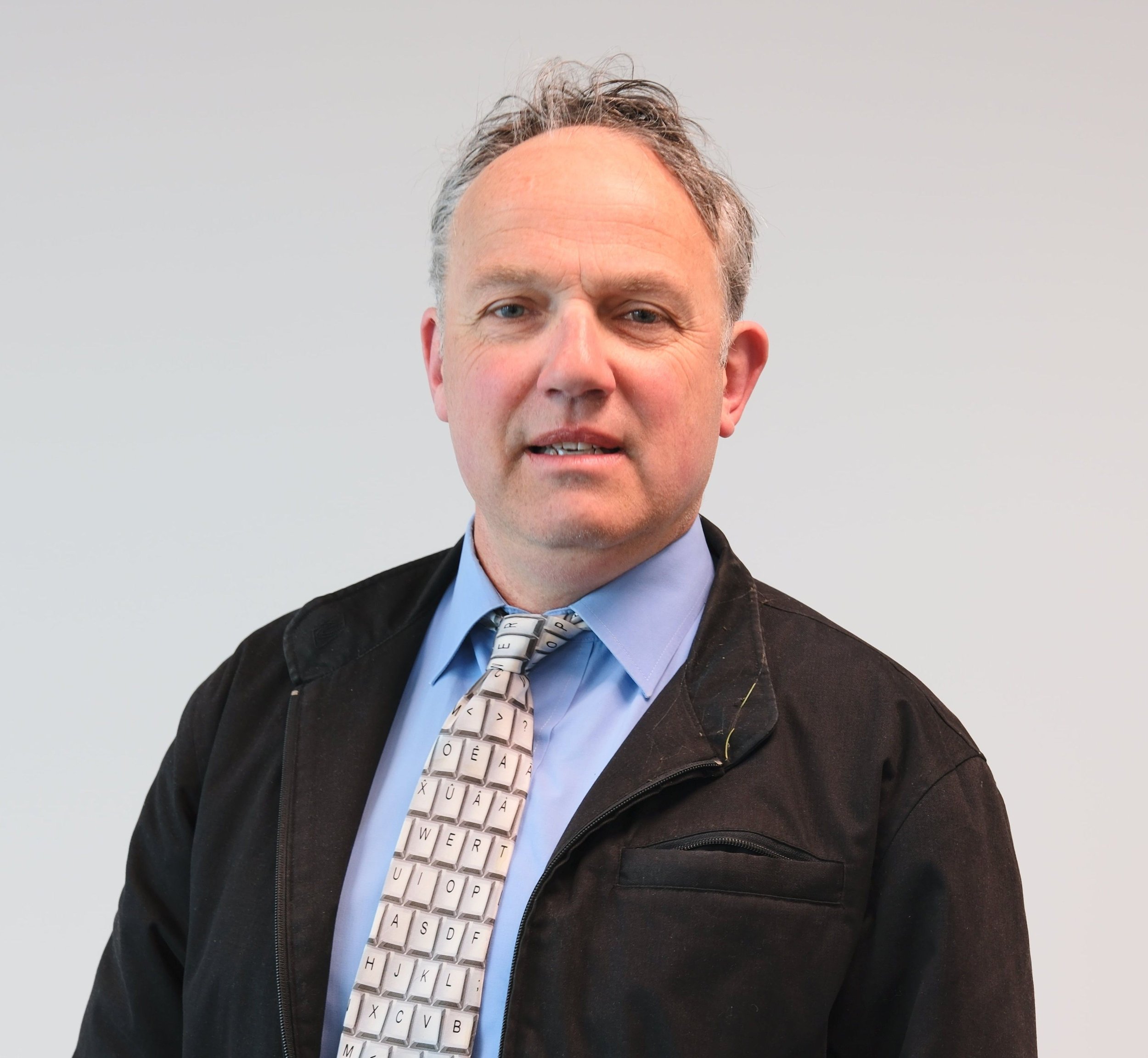
Taupō Ward councillor Duncan Campbell.
Having taken part in the largest local government amalgamation in New Zealand history, Campbell sees great potential in a bigger Taupō council but warns: “Bigger is not always better; the devil will be in the detail and based on the Auckland example, some wheels will inevitably fall off.”
Like Foreman, Duncan sees Wellington’s call for change as a curtain call for his council.
“I foresee in a year or two’s time there will be no more Taupō District Council, and I won’t miss it so much.”
Murch and Foreman say function over form is their priority. Both of them want effective representation for their constituents in whatever council replaces their own.
Keeping local government local
Councils have three months to work together and present Wellington with their proposals on how local government will look and operate in the future.
Central government has already stated its preference; it wants local government to go large.
Local Government Minister Simon Watts explained: “Proposals should focus on creating larger, more efficient unitary authorities that streamline functions, reduce duplication and improve decision-making.”
Campbell remembers being in the thick of it during the Auckland supercity merger.
“On Auckland Super City: big promises and big expectations, but quite a few disappointments all round,” Campbell said.
“The purported efficiency gains of reduced staff numbers were only temporary. Local community influence was lessened, and the bureaucrats in Auckland Council and Auckland Transport gained the upper hand.”
Staying connected with constituents
Murch said contributing to Taupō’s proposal to Wellington would be her top priority.
“These next three months are going to be critical,” Murch said.
“I think what we really need to do, and I’m not speaking for the council, but for myself as an individual elected member, is really wrap our heads around what is being proposed here and then try to position ourselves.”
During her election campaign Foreman became well-known for her old-school style of campaigning. Her lack of online presence sparked a blog entry that asked, “Is she even running?”
Despite being called a “total ghost” in that blog, Foreman won, replacing incumbent councillor Danny Loughlin by 15 votes.
Foreman said her first priority was communicating with her constituents about Wellington’s orders.
“Physically calling and catching up with people in person is my main priority right now,” Foreman said.
“Just to canvas do they know the situation and how urgent it’s going to be. If we’re not in the room to have these conversations, we’re going to miss the boat.”

LDR is local body journalism co-funded by RNZ and NZ On Air