Slow release for fertiliser revolution
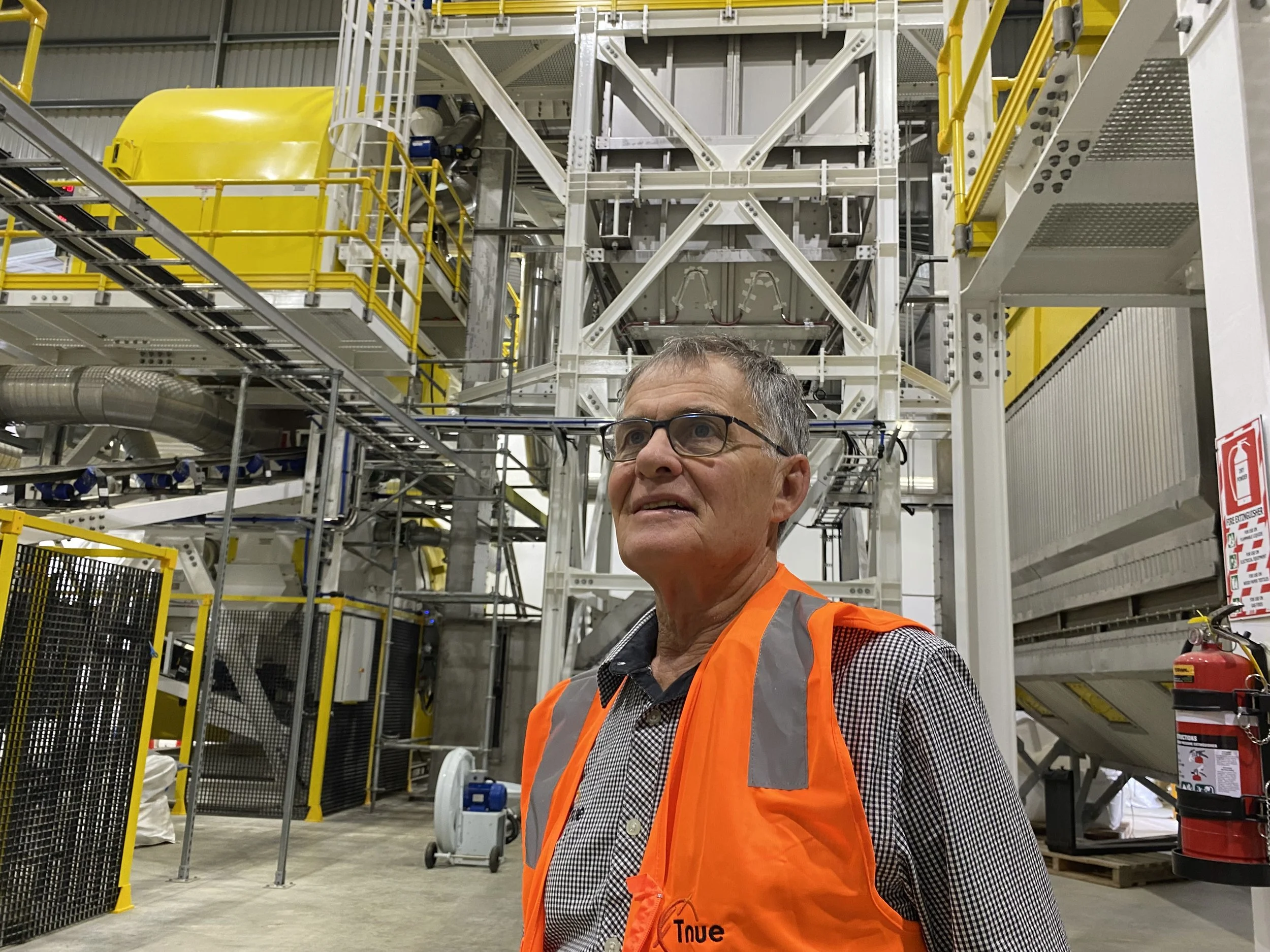
Tnue co-founder and managing director Bruce Smith explains the manufacturing process for the slow-release fertiliser. Photo: Dan Hutchinson
A Taupō-based fertiliser company has developed an innovative slow-release product that reduces nitrogen use but is stuck in legislative limbo when it comes to crucial claims about its ability to reduce on-farm greenhouse gas emissions.
By Dan Hutchinson
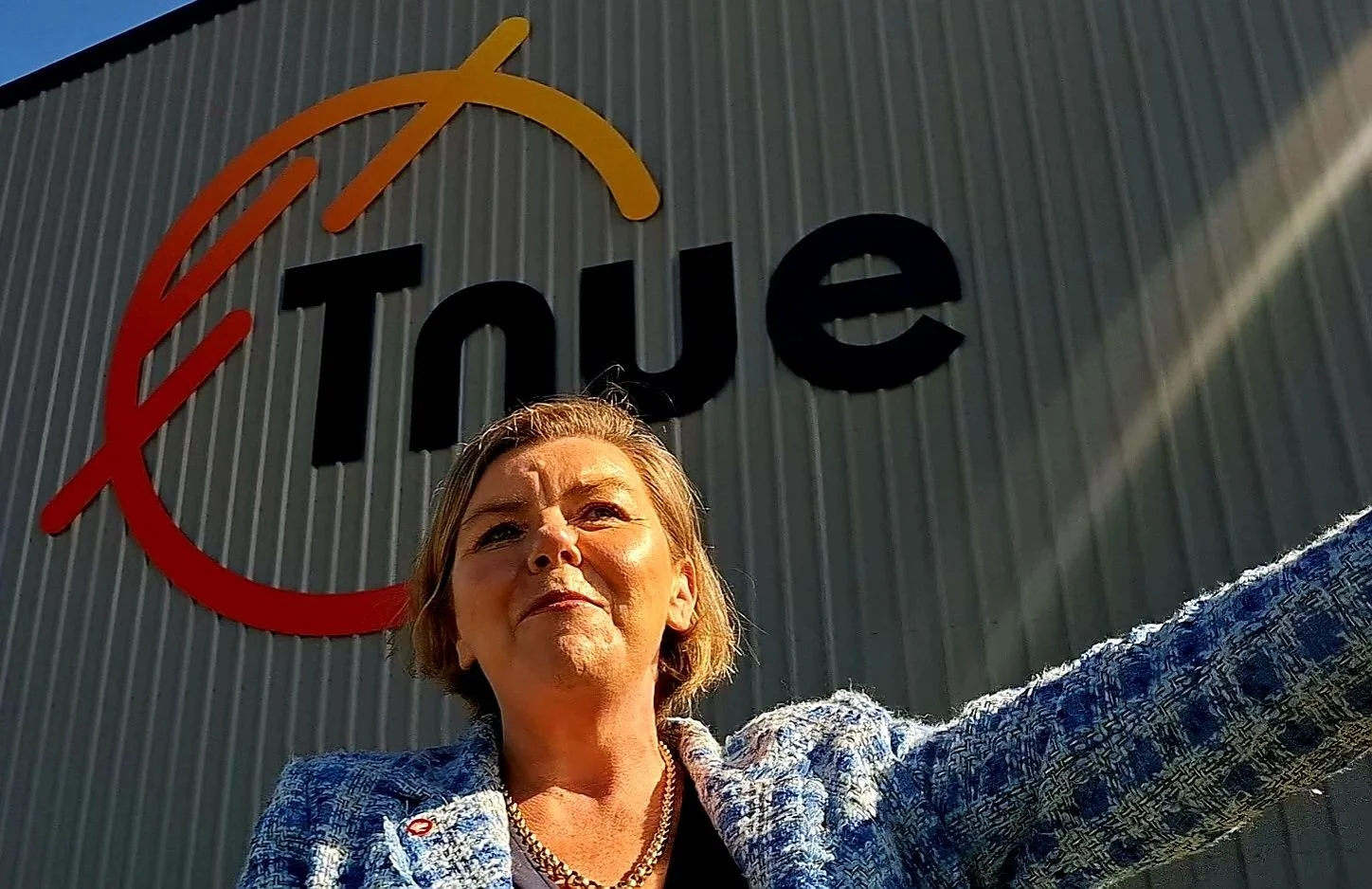
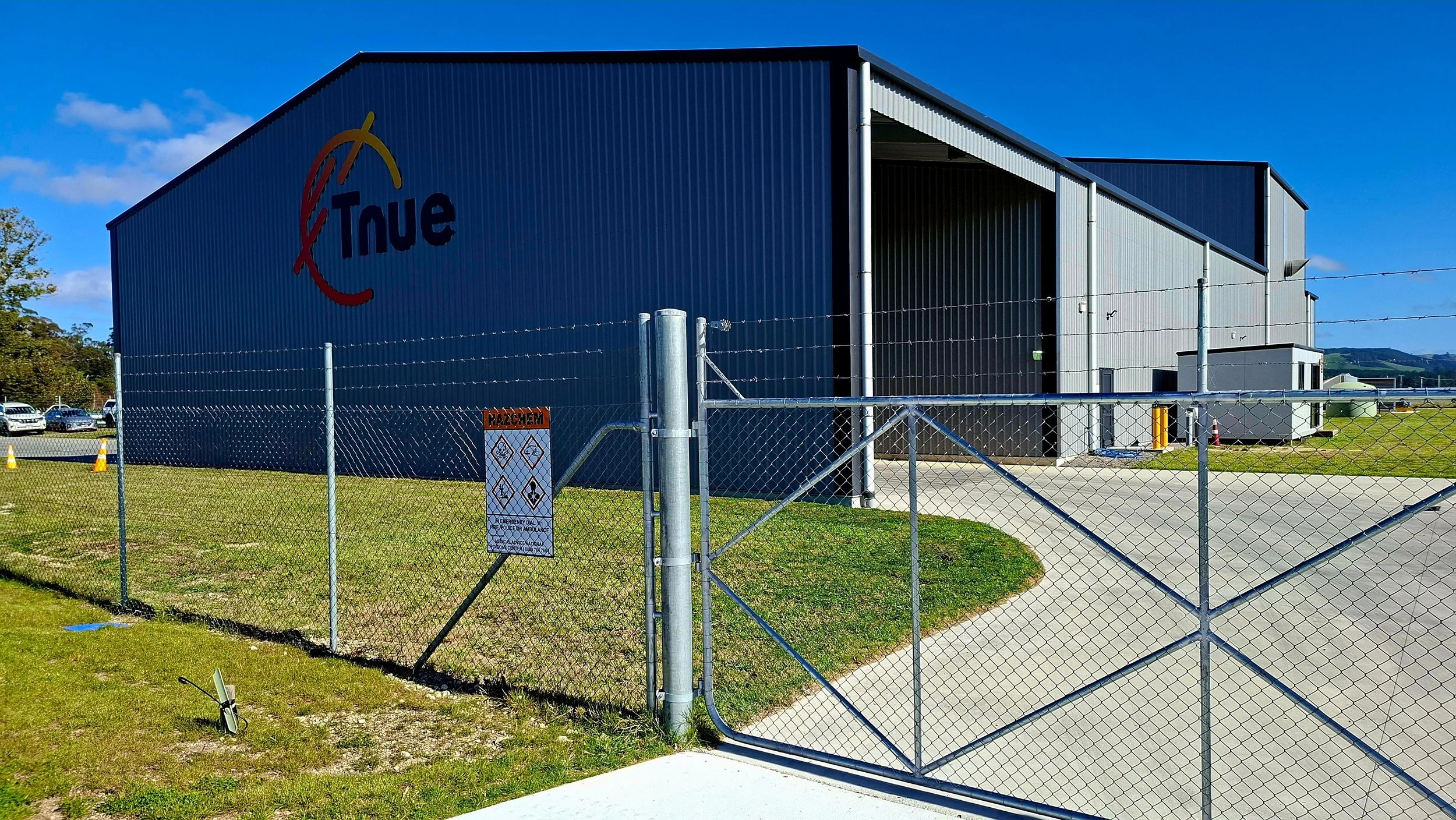
Agriculture Minister Todd McClay officially opened Tnue’s factory last week at He Ahi, a hapū-owned eco-business park at Rotokawa.
Tnue (Total Nutrient Use Efficiency) co-founder and managing director Bruce Smith has spent 15 years developing the controlled release fertiliser.
The manufacturing process involves heating urea granules to about 80 degrees Celsius using excess heat from a nearby geothermal power station, then coating them with a biopolymer membrane in specialised mixers.
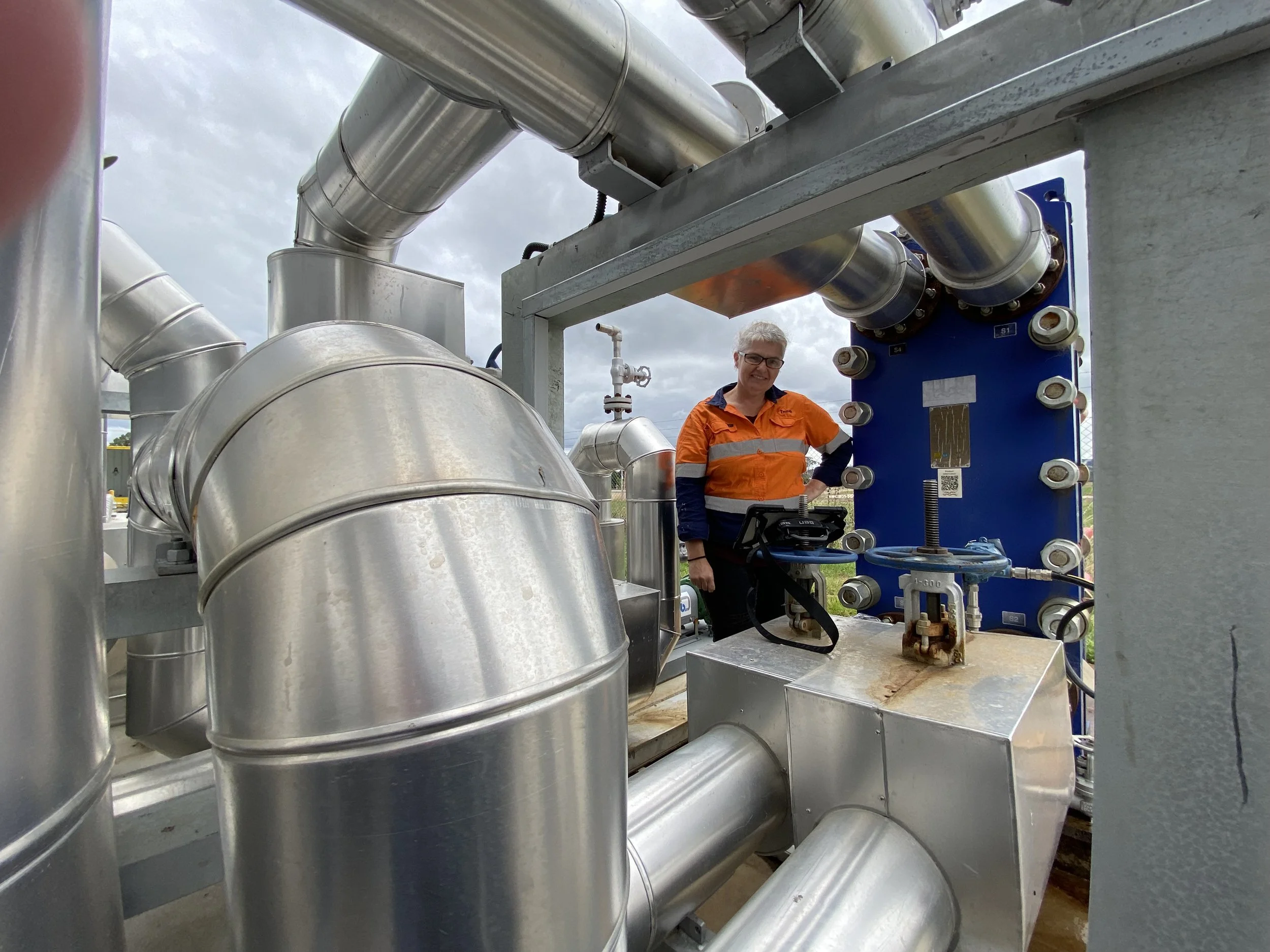
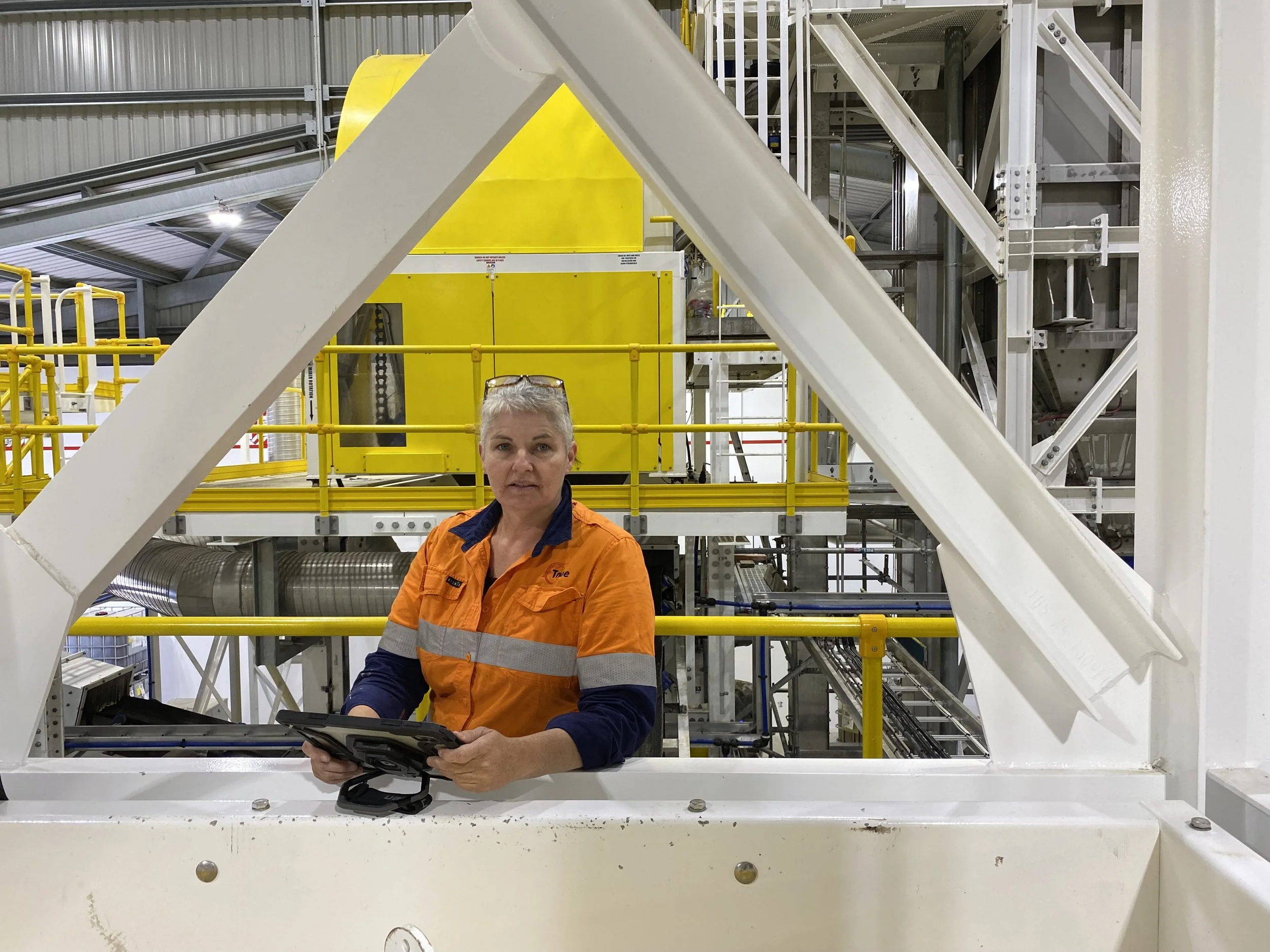
Tnue production manager Joanne Thomson checks on the machinery that converts excess heat from a nearby geothermal power station into hot air that is used in processing the fertiliser. Photo / Dan Hutchinson
It releases nitrogen progressively over about three months, rather than all at once like regular fertilisers, cutting applications by about two-thirds.
This reduces the time and diesel spent spreading urea, while mitigating nitrogen losses from leaching.
Earlier in April he hosted Deputy Prime Minister David Seymour and Minister for Biosecurity and Food Safety Andrew Hoggard at his facility to discuss the regulatory challenges facing the product.
Whilst the product has been approved as a fertiliser and is now sold by major fertiliser companies Balance, Ravensdown and Dickie Direct, the company cannot make emissions reduction claims without additional Agricultural Compounds and Veterinary Medicines (ACVM) approval.
International research shows that controlled release fertilisers reduce nitrous oxide emissions. To back that up for New Zealand farmers, Tnue is now finishing up work with the Bioeconomy Science Institute.
This work will allow emissions reductions to be recognised in Overseer and farm modelling “so farmers can prove what they are doing” and access incentives from Fonterra and similar schemes in the meat industry.
Hoggard acknowledged the challenge facing innovative businesses operating within existing regulatory frameworks.
"There's always a business that's slightly different from the rest of them and there's a reason in some cases why you want to regulate for certain things, be it food safety.
"But then there'll be businesses that are doing something that's just outside of the square and there's not actually that risk, but they get captured."
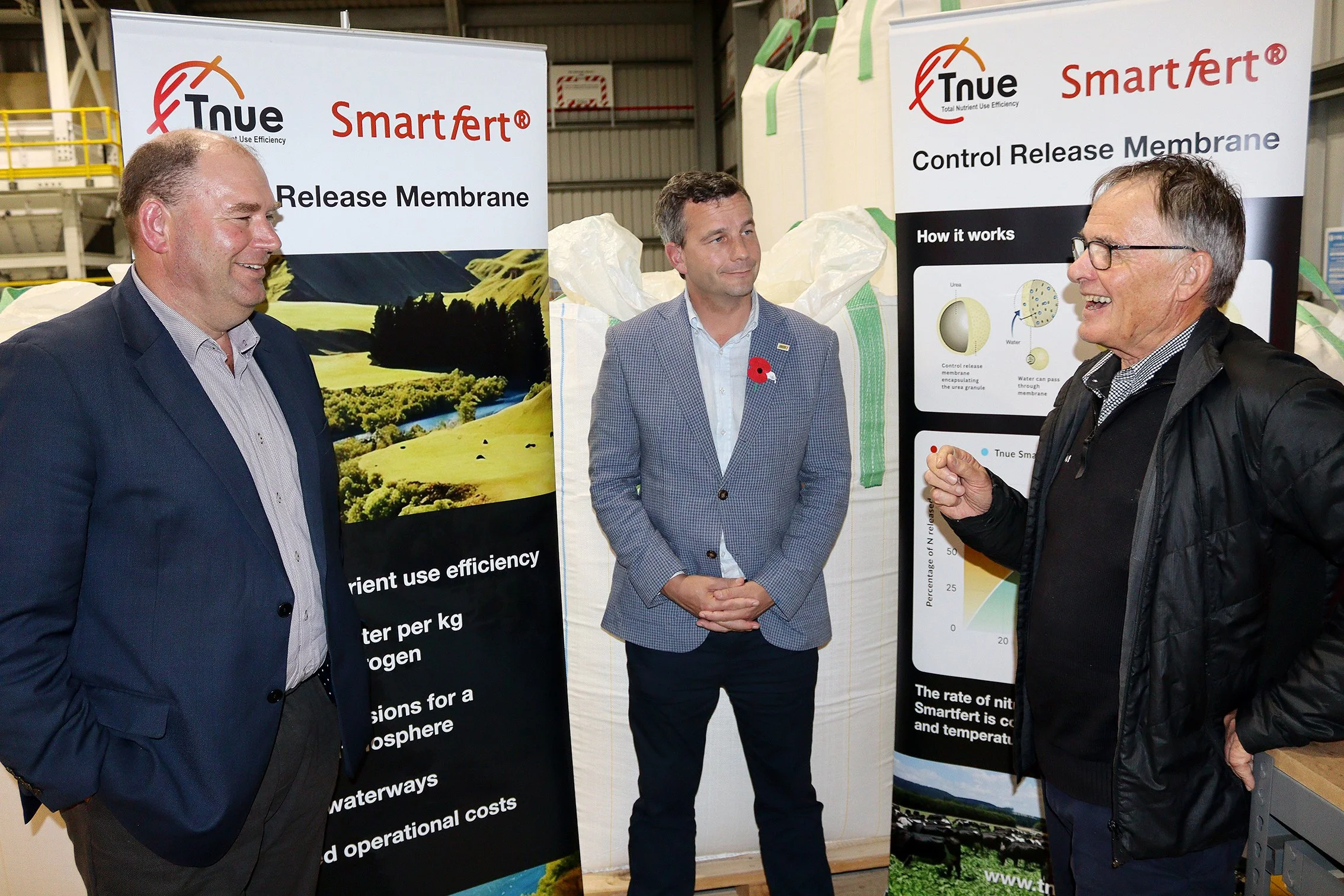
Minister for Biosecurity and Food Safety Andrew Hoggard and Deputy Prime Minister David Seymour hear from Tnue co-founder and managing director Bruce Smith. Photo: Dan Hutchinson
Smith said the constant, progressive release means pasture will not run out of nitrogen as it prevents leaching occurring particularly after heavy rainfall - farmers can apply the controlled release product when ground conditions allow, rather than chasing narrow application windows.
"It does protect the nitrogen from leaching into waterways. It also means that because it's controlled release it can mitigate to a large degree the greenhouse gas effect that can occur with rapid release product."
Total investment in the facility exceeds $20 million from Tnue and others including Contact Energy and the Government’s Regional Development Fund.
The facility can process about 20,000 tonnes annually with potential for expansion.
The company is also working with AgriZero to develop emissions reduction data that could unlock additional value for farmers through carbon credit schemes. Smith expects to have implementation-ready data by the end of 2026.
"We'll have the evidence, supporting evidence, so it's not bloody snake oil and it's not bullshit, it's real," Smith says.
He says the capital cost of harnessing the geothermal energy was “absolutely horrendous”.
“But what we've locked into here is a long-term supply agreement locked in on a value which doesn't follow the hydrocarbon market.”
Seymour noted the broader challenge of balancing regulation with innovation.
"Without diligent oversight and lots of listening, regulation and innovation are at 180-degree loggerheads," Seymour said.