
The best medicine for Taupō Hospital
A Taupō Hospital doctor has come full circle—returning as a specialist after training in the region that shaped her.
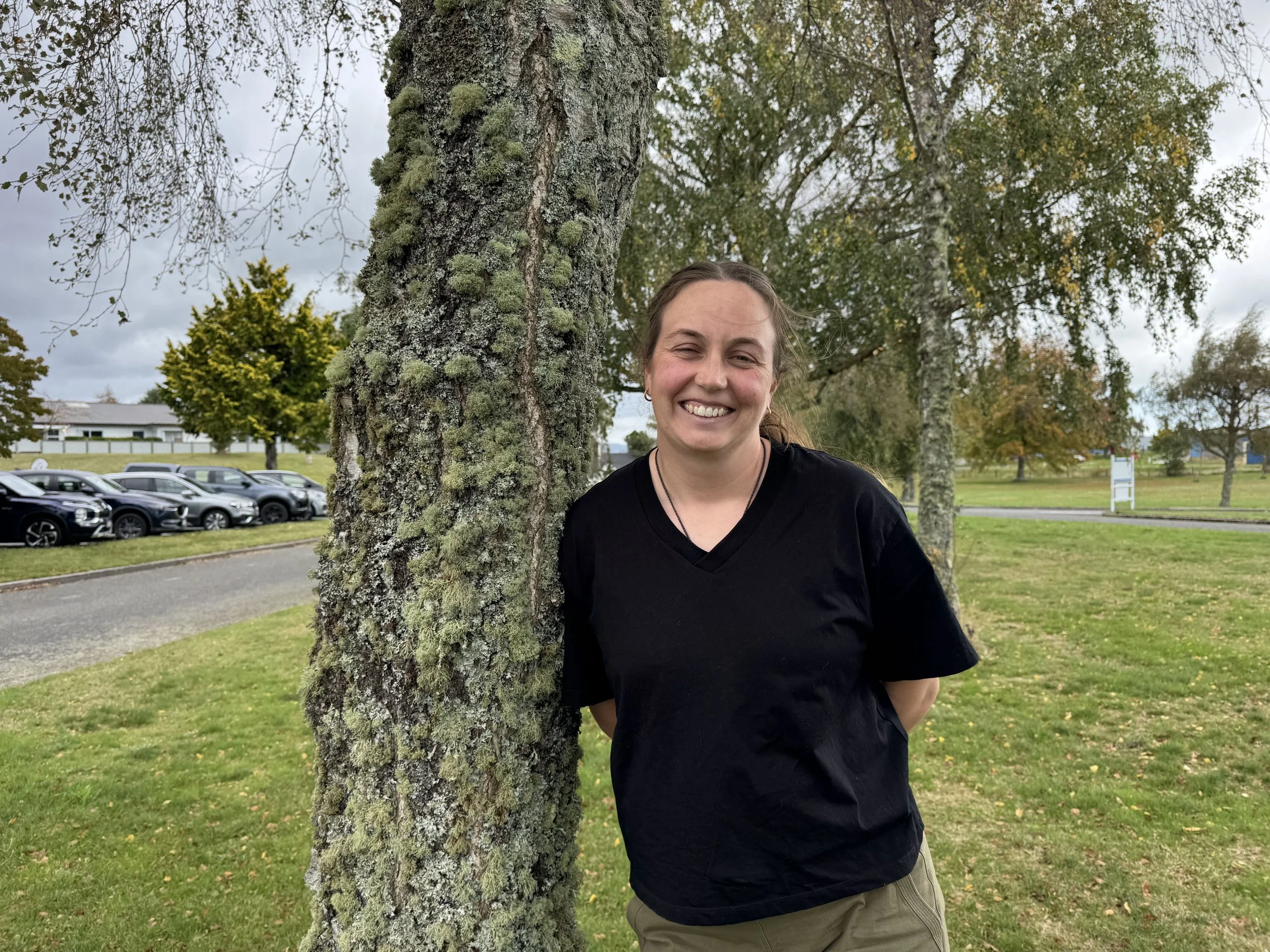
Dr Anna Gray is enjoying being back at Taupō Hospital. Photo: Supplied
Dr Anna Gray has completed her Rural Hospital Medicine training and is back at Taupō Hospital, where she first worked as a trainee intern. She says it’s good to be contributing to a community that invested in her early.
“My first exposure to Taupō was as a trainee intern. My partner and I had moved to Rotorua for mountain biking and as a junior doctor I loved the place, the community and Lakes generally.”
“We found our niche and kept coming back. Rotorua and Taupō trained me, so there’s a real sense of responsibility to give something back.”
Anna prefers smaller hospitals, where relationships matter and teams are tight-knit.
“Taupō Hospital has a great team of people who come to work and do their best every day. They are practical and pragmatic.
“There’s a lovely community of people in Taupō. We make some nice connections with patients. I see them in ED, marae clinics and in the ward. That’s pretty neat.”
That continuity of care is a key drawcard.
“You see patients across different settings—ED, the ward, marae clinics. You build connections, and there’s strong linkage between primary and secondary care.”
After her junior years in Rotorua, Anna and her partner, Dr Tom Reynolds—an Emergency Medicine specialist—moved to complete further training in Waikato and Whangārei. She also worked as a ski field medical lead in Ohakune, and as a GP in Raglan and Rotorua.
She chose rural hospital medicine to broaden her scope. She is also completing GP training.
Much of her training was done locally through the Te Manawa Taki rural hospital programme, led by Taupō Clinical Lead Dr Ralston D’Souza.
The programme allows trainees to complete the majority of their training across Rotorua and Taupō, including anaesthetics in Rotorua—an uncommon opportunity in smaller centres.
“That local pathway makes a difference,” says Dr Gray.
“If you train here, you’re more likely to stay.”
Rural medicine remains a relatively new specialty, but it demands breadth and adaptability.
“You’re working across multiple disciplines, often without immediate access to diagnostics. You rely on your team, think on your feet, and focus on what’s practical. That’s what makes it rewarding.”