Country school going strong after 70 years
By Dan Hutchinson
When Mihi School opened 70 years ago, Lesley Handcock, Stephen Neville and David Leslie were amongst the first students to walk through the door.
Back then the school consisted of a couple of classrooms in a paddock, a quick solution to a burgeoning post-war population boom.
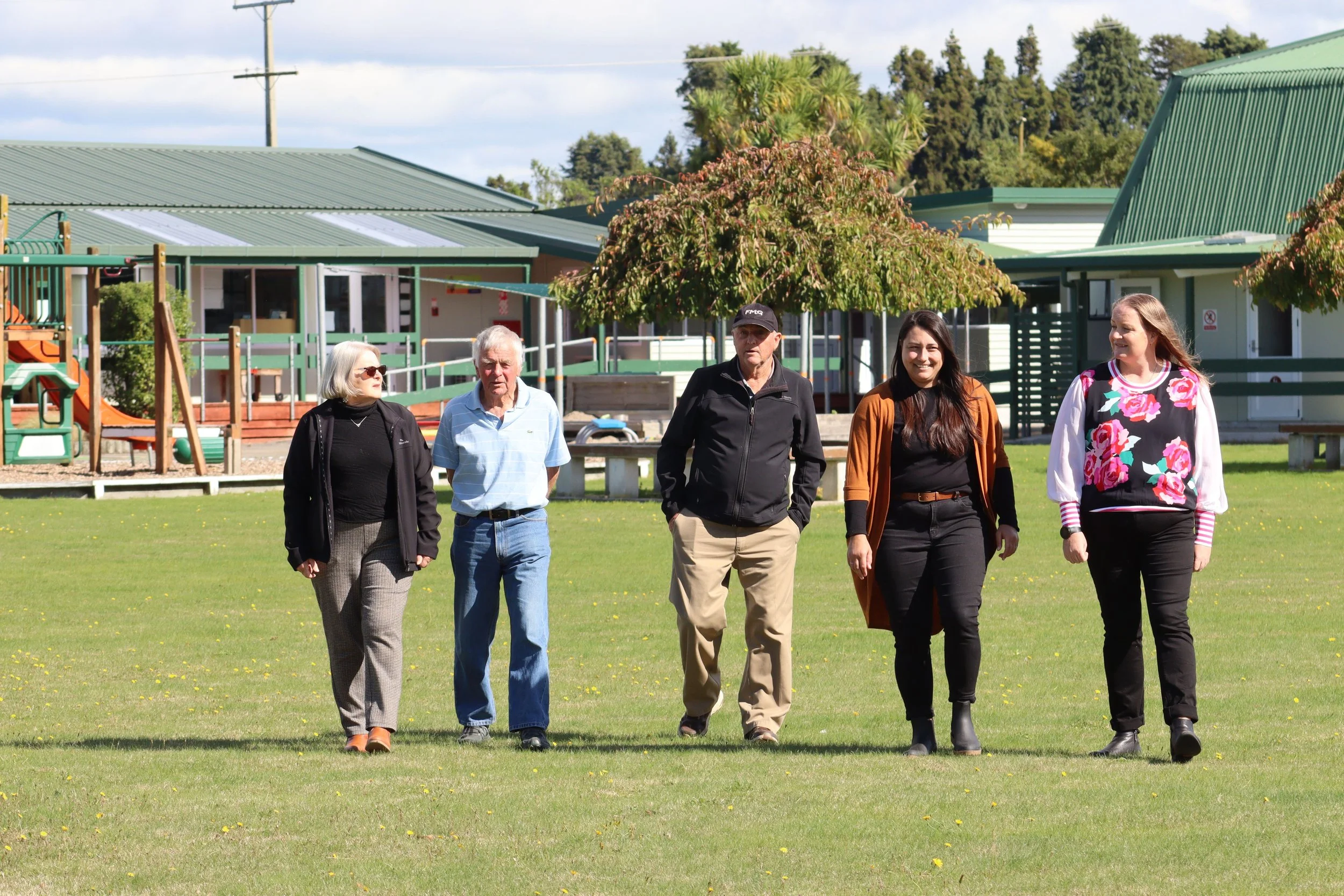
Former Mihi School students, from left; Lesley Handcock, David Leslie and Stephen Neville, Board of Trustees chairwoman Carissa Wills and principal Jenna Foley discuss the school’s 70-year history. PHOTO: DAN HUTCHINSON
Before the paddocks were developed into a play area and sports fields, if you had been naughty your punishment was to go out there with buckets and pick up pumice stones, Neville says.
Past and present students, families and staff will attend the 70th anniversary this weekend, May 1-3, with 217 people coming along.
The rural school, north of Taupō, started with 69 pupils, which was a surprise for the first principal.
"Mrs Bacon just about had a heart attack when she walked in and saw all these kids sitting in there," Neville says.
Lesley says there have been quite a lot of principals over the years because rural schools were seen as a good way to climb the career ladder and gain experience.
“In order to get beyond a certain level pay level, they had to do country service. And so they would come to a rural area, do their couple of years."
The school was built to serve the Mihi area, which included an area from Tutukau Road, to Butcher's Road.
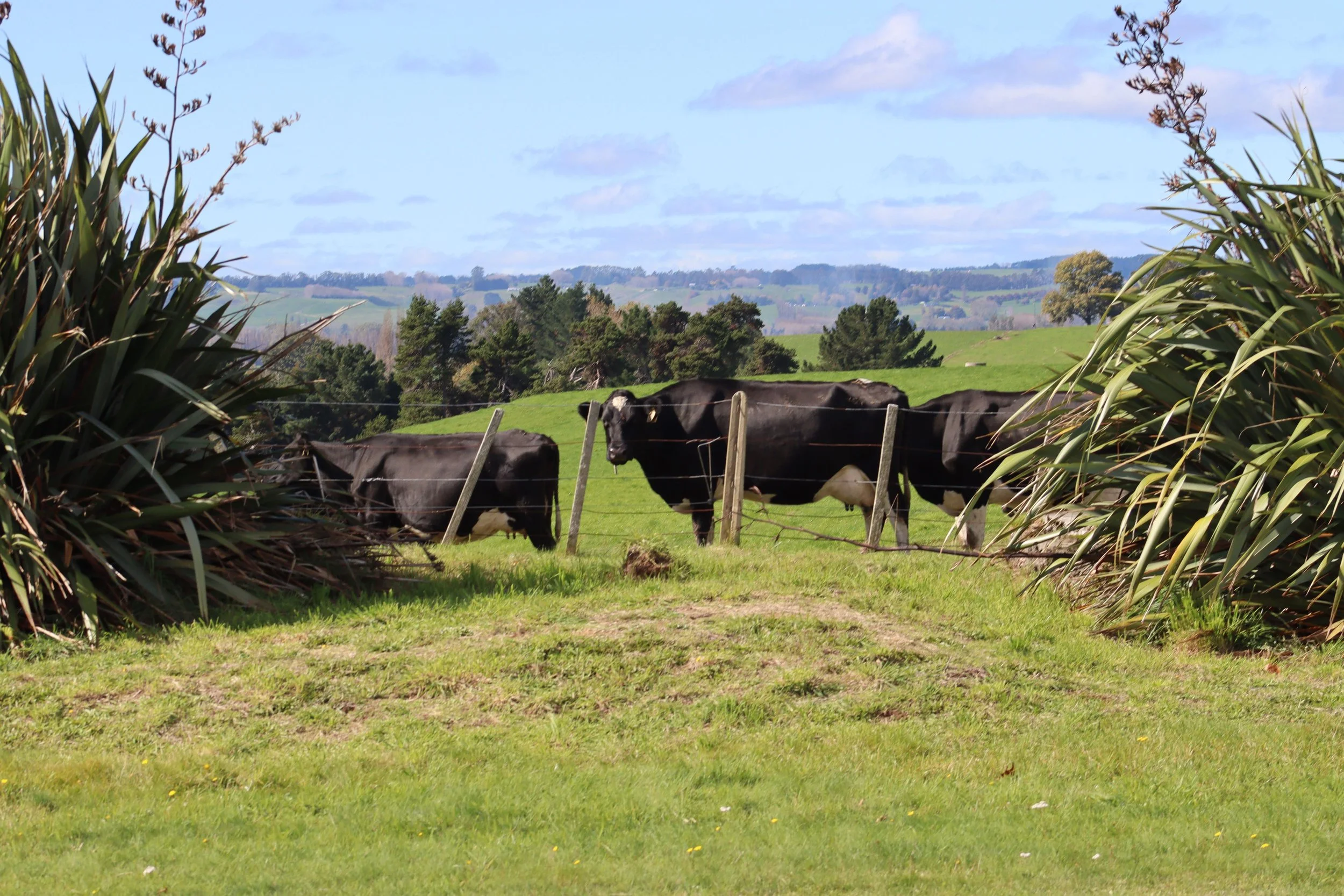
Most families were dairy farmers, with a typical farm size of about 70 hectares. The blocks were given to WW II returned servicemen.
"After World War II when all these service farms were developed, there was an explosion of people coming in from a community that wasn't very many people," David says.
"Family life had been put on hold because of the war. So, all of a sudden there's a baby boom."
The original school consisted of two classrooms plus a staff room but quickly expanded as pupil numbers grew to over 100. A third classroom was added, then a fourth, and eventually a library.
Neville says the rooms quickly became overpopulated, so they partitioned off the cloak room.
"We froze with a little kerosene heater out there in this little classroom until they added on another room."
Neville’s father built the school hall.
"He built a lot of hay barns and cow sheds and all sorts. He built his own house. They did a lot of fundraising, galas and all sorts to get the finance for putting the hall up."
The first teachers were a married couple, Ron and Leigh Bacon, who divided the pupils between them.
Mrs Bacon taught years one to three while Mr Bacon handled years four to eight.
David says it must have been quite a challenge because they had to jump from year to year.
"Like maths had to be obviously taught in five different levels."
That is much the same today with principal Jenna Foley and a part-time teacher handling multiple levels of teaching for 12 students.
Only students who were more than a mile (1.6km) of the school got to ride on the school bus, with everyone else having to make their own way there, cycling or walking along gravel roads, including Neville.
He didn’t wear shoes to school in those days but the soles of his feet were hardened from everyday use, especially given the harshness of the pumice soils.
"We played rugby in bare feet those days … bare feet and a sack for a rugby jersey, dyed red. We didn't even have proper rugby jerseys back then.”
The school became the social hub of the community, hosting Brownies, Cubs, youth groups and films every second Saturday night using the school projector.
"Back in those days there was no other communication. So unless you went out, there was no social life," David says.
"So, the primary school became the sort of hub of your social life."
Students helped with practical tasks around the school, including chopping kindling for the pot belly stoves that heated the classrooms.
"We used to get firewood delivered but not kindling. So, 10 and 11-year-old boys swinging an axe out in the back," David says.
The school has its own swimming pool, built by parents under the supervision of teacher Tom Austin, who had previously been a carpenter.
"He'd run out from the classroom, tell them what to do and go back in again," David says.
Today, Mihi School has 12 pupils, with more students expected to start in coming weeks. The school employs a second teacher three days a week to split junior and senior classes.
Neville’s daughter Carissa Wills is the school's board chairwoman.
"My kids are now here currently. So, third generation," Carissa says. She is also chairing the reunion committee.
The anniversary weekend will feature tree planting, with each family able to plant and dedicate a tree. Saturday's programme runs from 9.30am to 3.30pm and includes presentations from foundation pupils, the current principal and students from different generations.
Current pupils will perform for the reunion attendees, and organisers have prepared historical displays and questionnaires for visitors to complete.
Saturday evening features a dinner with live auction and speeches from former principals, followed by dancing. Sunday concludes with a valley tour following old school bus routes, ending with morning tea back at the school.
The school grounds will accommodate about seven motorhomes for those wanting to stay on site during the reunion weekend.
Despite its small current role, the school remains viable with ministry support and a positive outlook for growth.
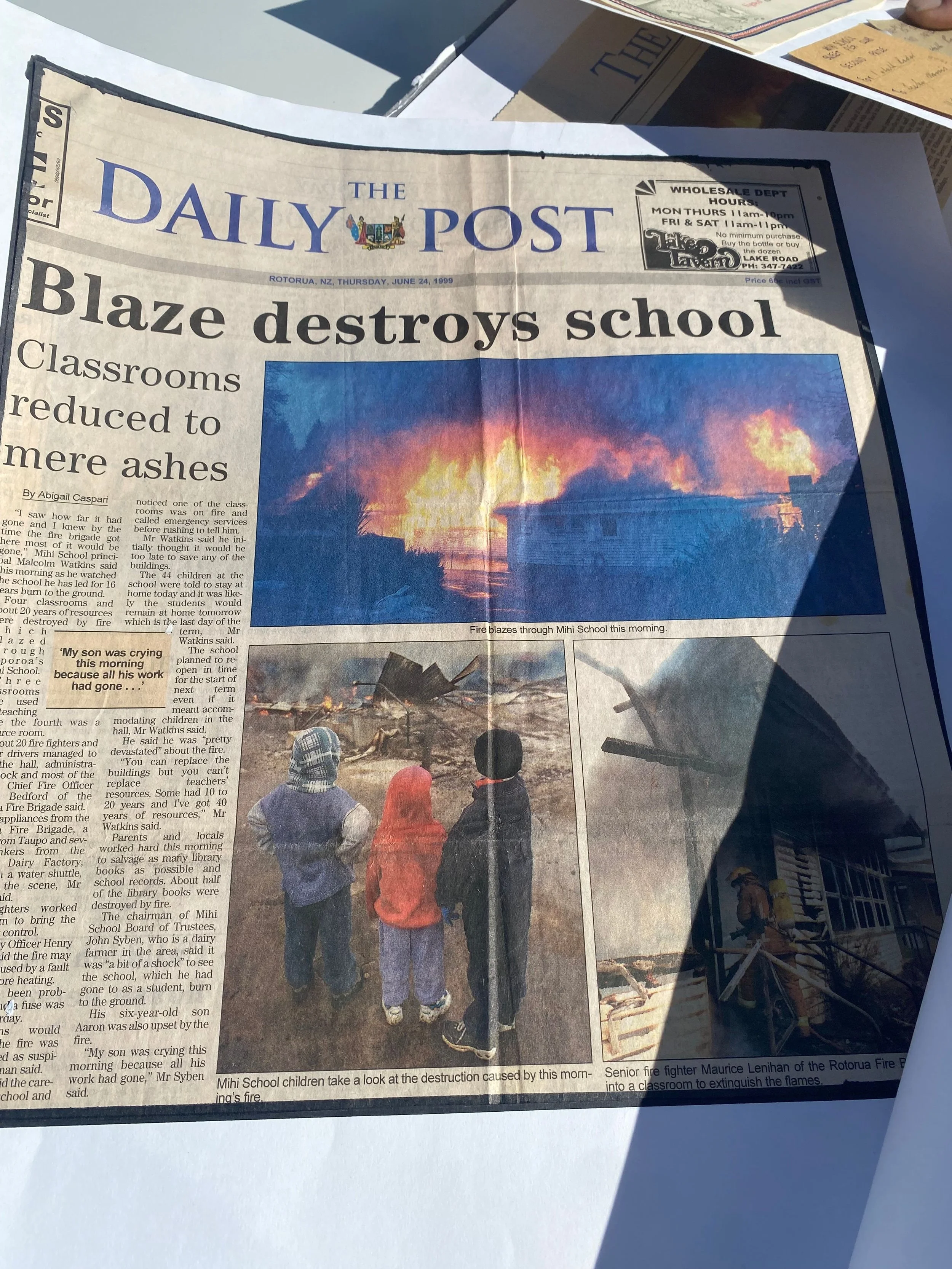
The original school buildings were destroyed by fire in 1999, ironically caused by electric heaters that had replaced the pot belly stoves that were deemed too dangerous.
"They decided it's too dangerous for the pot belly, so they put electric heaters in. Electric heaters was the one that burnt the school down," Neville says.