
Kinloch supermarket paves the way
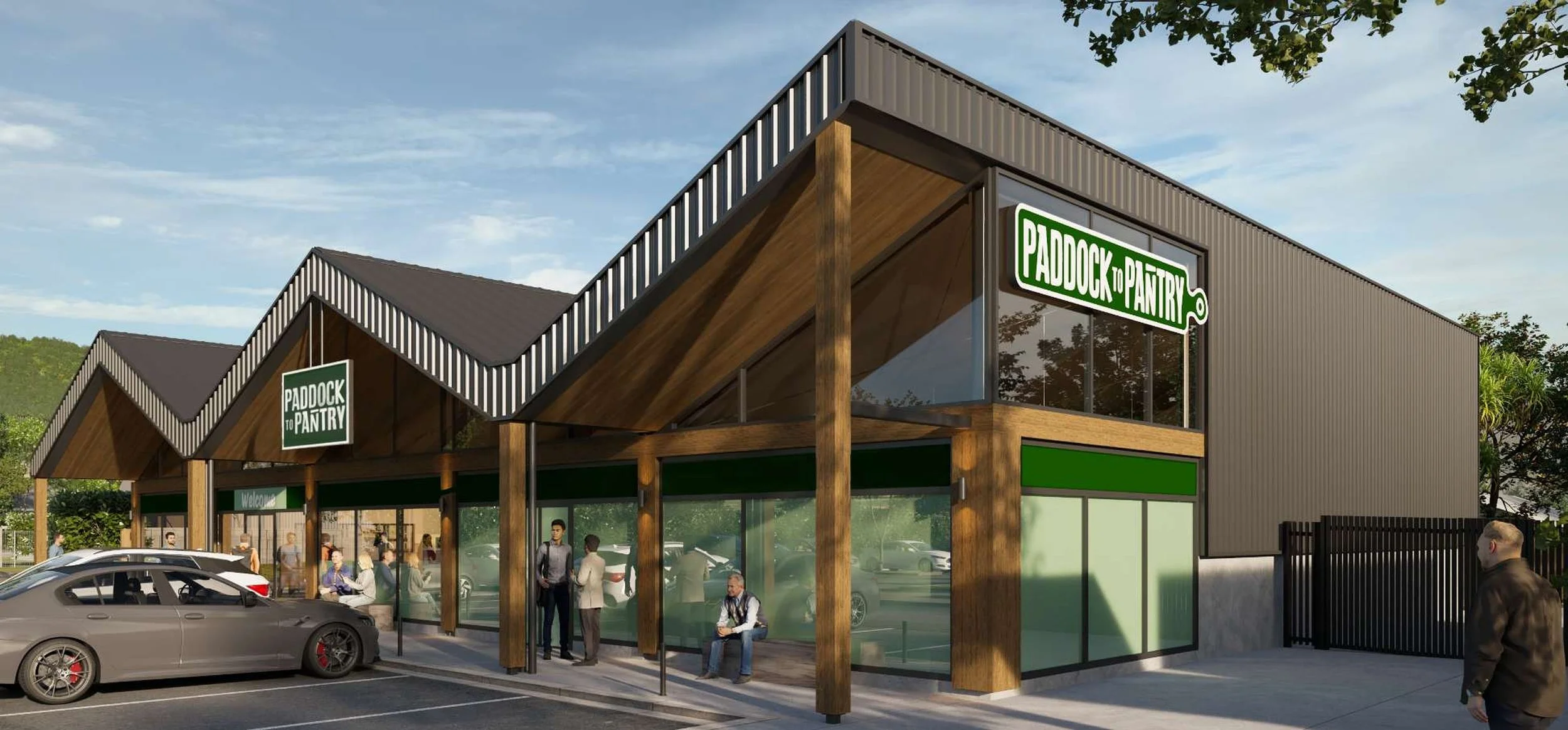
A render of the supermarket under construction. Image: Supplied
Kinloch is to get the first new supermarket proposed by the ambitious Paddock to Pantry brand.
The 500 square metre supermarket is the anchor tenant of The Village Kinloch development which is under development on the former Tre Terry Marine site on Kenrigg Rd.
It is due to open in December.
Family-owned Paddock to Pantry does 90% of its business online but has a $25 million nationwide expansion plan that will see it establish 20 retail outlets across the country.
Paddock to Pantry business manager John Kennerley says Kinloch is a growing community and the new store will help meet demand from permanent residents and holidaymakers.
He says smaller communities are often overlooked when it comes to supermarket investment because they don't have the population.
They believe there is enough demand for grocery shopping options from those who want to be able to buy their everyday essentials locally.
“Kinloch is an opportunity for us to establish a grocery store that meets the needs of the community while creating permanent local employment,” he says.
The Kinloch outlet will also offer freshly prepared pizzas and other ready-to-eat meals to help solve ‘what's for dinner’ for residents and holidaymakers.
Kennerley says combining grocery retailing with foodservice is part of the company's strategy to make smaller-format supermarkets commercially viable in communities with smaller populations.
“Not every community needs or can support a large conventional supermarket, so we're looking at different formats that reflect local demand.
“In Kinloch, that means combining everyday grocery shopping with prepared food options, which will help the store cater for both year-round residents and the seasonal increase in visitors,” he says.
The Kinloch supermarket is expected to create about 20 local jobs.
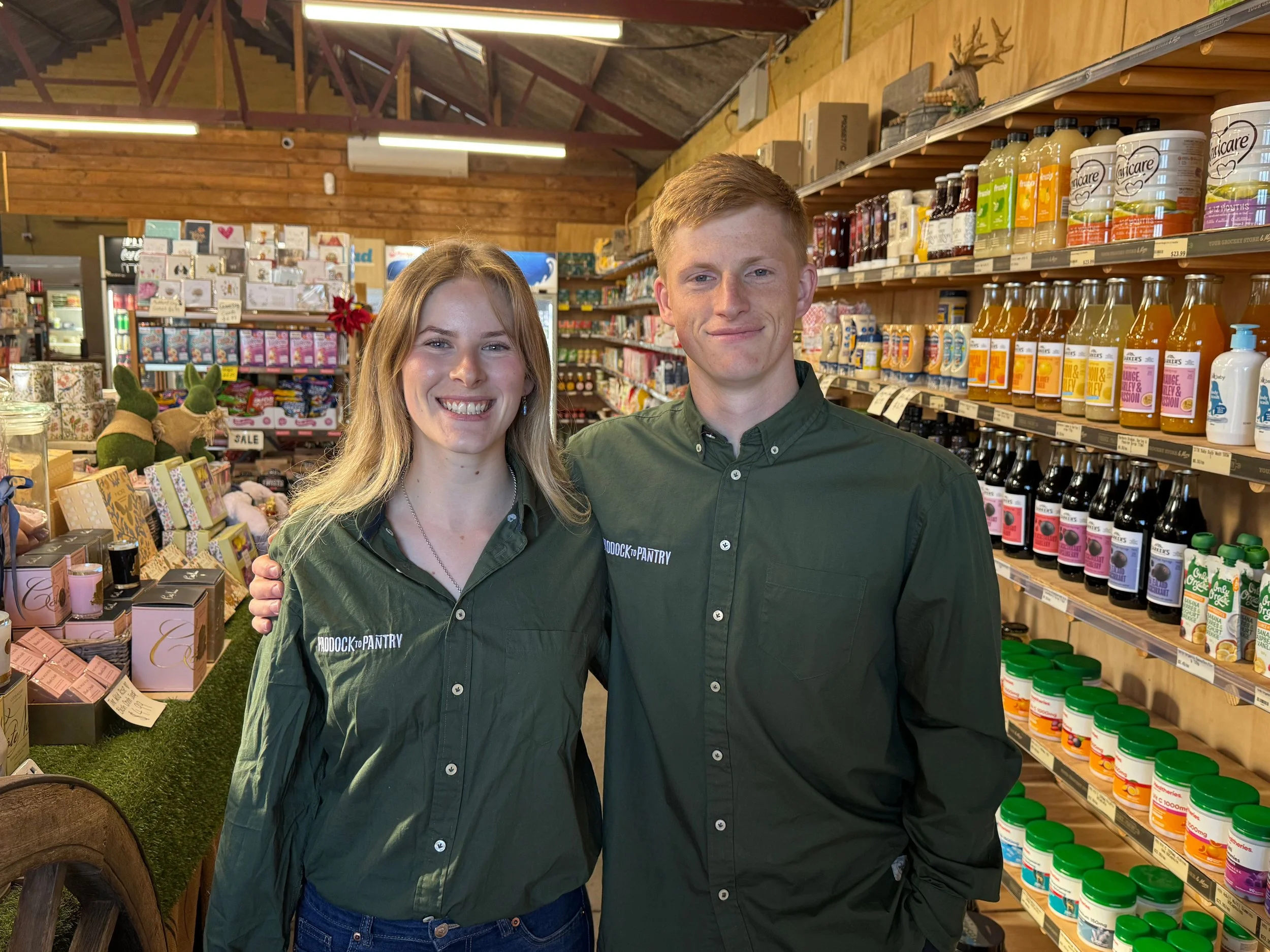
John and Anna Kennerly. Photo: Supplied
Nationwide, the expansion programme will create up to 1,000 jobs and would make Paddock to Pantry the third largest grocery retailer.
Its strategy is to target communities underserved by existing supermarket competition.
The Kinloch opening will be followed by new locations targeted for the North Island's East Coast and South Auckland in the first quarter of 2027, with the retailer aiming to open about one new store every three months.
Paddock to Pantry is targeting retail premises ranging from 500sqm to 1,800sqm, with larger stores expected to employ about 50 people each.
The company currently operates two physical stores, in Karaka and Kahawai Point, Glenbrook.
The company currently generates about 90% of its sales online but expects that proportion to fall to 33% within five years as its physical store network grows.
Its online grocery business recorded a 197% increase in sales in the 12 months to July 31 2026.
The five-year investment programme will take its physical network to more than 22 stores nationwide and includes a proposed 5,000sqm distribution centre and plans to expand its delivery fleet to 25 vehicles.
Kennerley says improvements to road infrastructure between Auckland, Hamilton and Taupō have also made it more commercially viable for independent grocery retailers to expand into smaller communities.
He says better transport connections are helping reduce the cost and complexity of servicing stores from centralised distribution facilities.
“Distribution is one of the biggest challenges for grocery retailers looking to expand into smaller centres.
“Improved road connections are making it easier to service communities like Kinloch from our existing distribution network, which makes these locations more viable for investment,” he says.
The retailer says it has already established the purchasing scale, supplier relationships and distribution infrastructure needed to support further growth, with more than 99% of its purchasing by value now sourced directly from manufacturers.
“We believe there are opportunities in communities throughout New Zealand where additional grocery competition can support local employment and provide residents with more choice,” he says.