
Waste not, want not
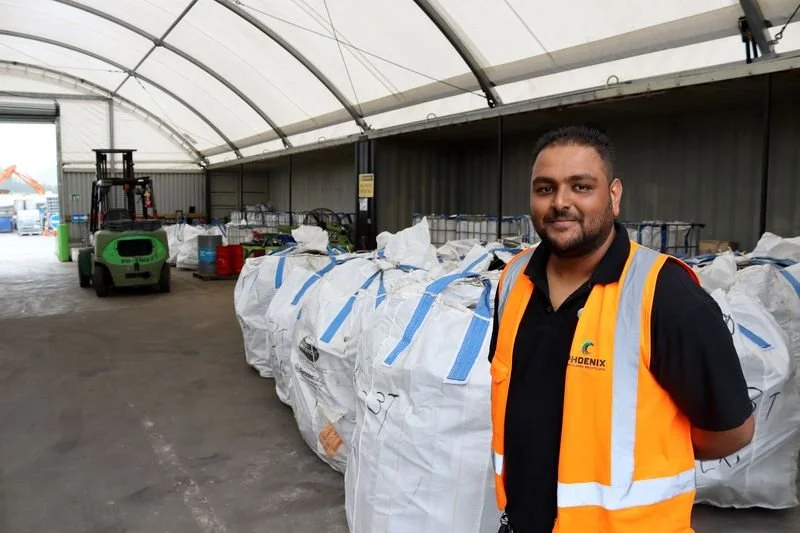
Phoenix regional manager Shaheen Ali explains what happens in the recycling yard.
When your business is made of steel it takes a certain type of mettle to make it all work.
By Dan Hutchinson
Taupo's largest private metal recycler – Phoenix - takes everything from old transformers to lithium batteries — and regional manager Shaheen Ali says most people have no idea what their unwanted metal is actually worth.
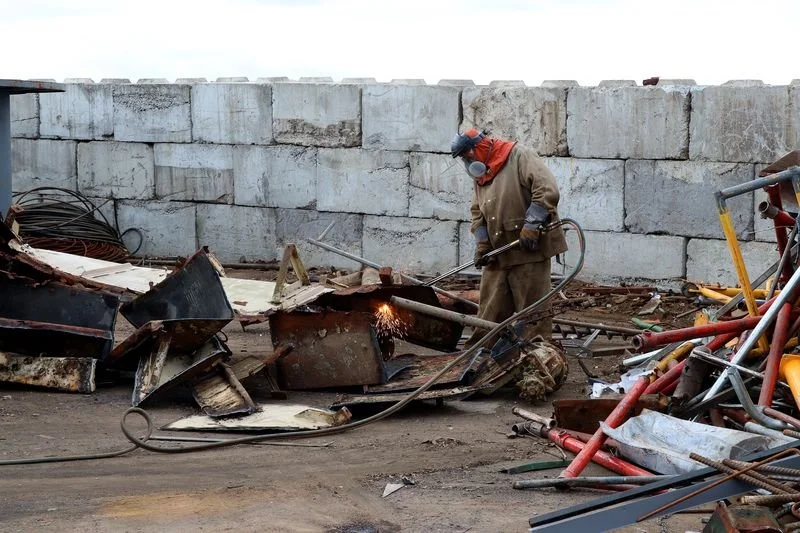
He moves quickly through the Taupō yard at the end of Rakaunui Rd, pointing out stacks of compressed aluminium cans, rows of stripped transformers, and a corner piled with old hot water cylinders. There’s even a tractor and a steel yacht sitting in the yard, waiting for a gas axe.
Shaheen oversees five regional operations, so there is always something to do.
The public is invited to drive up and offload their treasures and it’s surprising what some items are worth.
The purpose-built yard is popular with commercial clients but less well known amongst the general public.
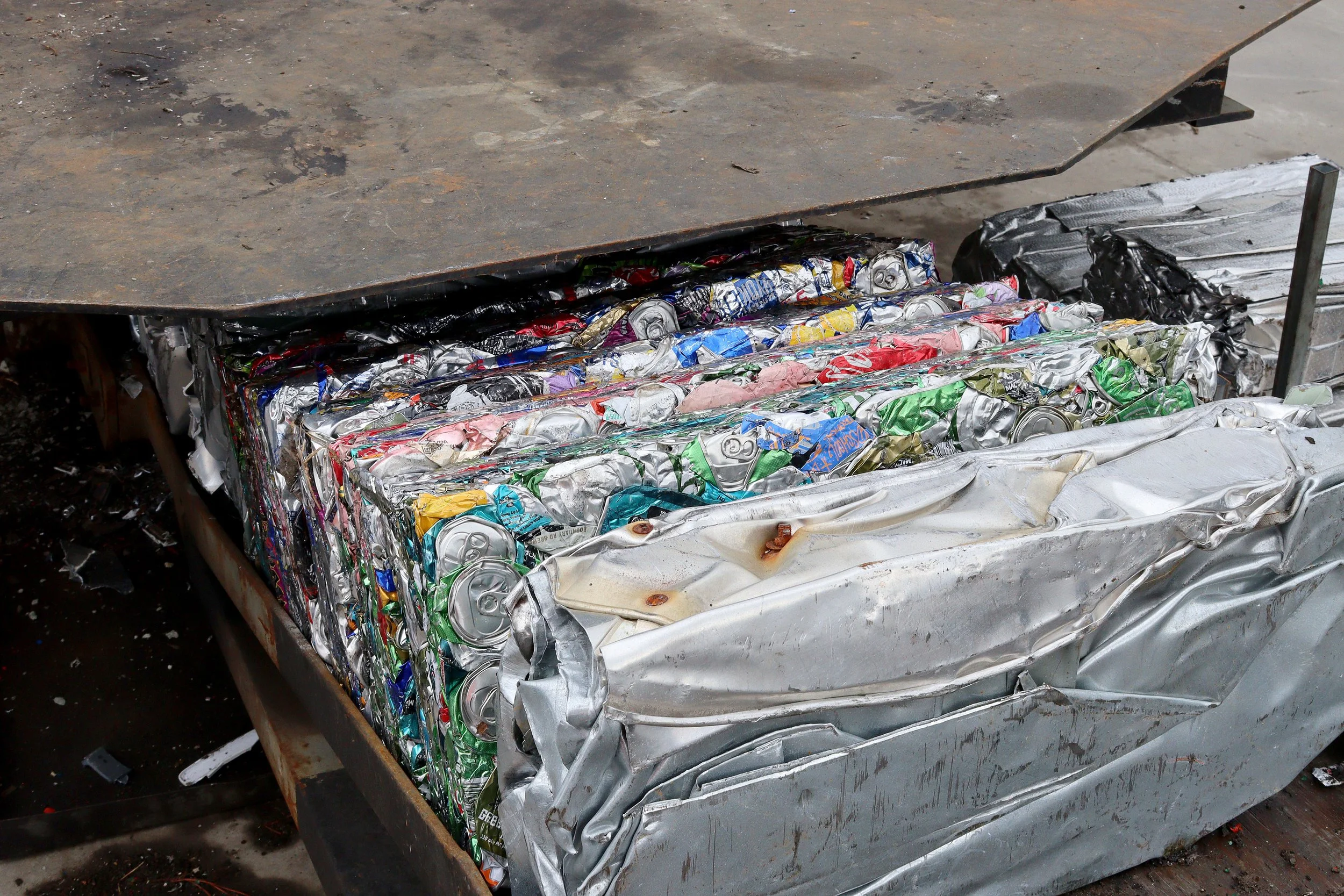
This weekend it is taking care of the aluminium waste from the Kinloch Market – something it can do for anyone with a stack of cans on any given day.
The operation handles two broad categories of metal: ferrous and non-ferrous. Ferrous covers mild steel, heavy steel, machinery, tanks, forklifts, trucks — even the occasional steel boat.
Non-ferrous is where things get more varied and, generally, more valuable. Copper, aluminium, brass, lead, zinc, titanium, and a range of specialty metals all come through the gates.
Not everything commands the same price. Grade 4 steel — things like cars that arrive still attached to tyres, plastics, and other materials — sits at the lower end.
"The value coming out of it is not covering our cost for transport," Ali explains. "So as a service, we still do it, but we don't pay much for it."
Copper is a different story. It is the metal Ali handles most carefully,because of its value.
The high value of some materials like copper is a temptation for criminals too, so ID is required and details recorded on paper and on camera when people drive into the yard.
High price metals like copper are held for 14 days before processing it.
Some items are a goldmine of precious metals, like industrial transformers. Weighng in at up to 3.2 tonnes, they contain copper, steel, and potentially stainless steel.
The oil is drained, the casing cut apart, and the internal components separated for export.
Aluminium cans go through a different process. A baler compacts loose bags of cans into dense, manageable blocks.
A truckload of loose cans from a large public event can end up as half a pallet once baled.
The Taupō yard is all about cutting it down and compressing it to make transport to Auckland as economical as possible.
"Anything that is metal can be brought here for recycling. And they might get something out of it — rather than paying to get rid of it at the landfill."
Whiteware and household appliances are accepted at no charge, even if the yard does not pay for them.
Beyond metals, the yard handles e-waste and batteries — a side of the business Ali is clearly keen to highlight. Screens, keyboards, and mice are accepted for a fee, because specialist processing is required. Laptops can be dropped off for free.
Lithium-ion batteries — from mobile phones, e-bikes, and other devices — are stored in fire-rated bags before being sent to Auckland, sorted into drums, and exported to overseas recycling centres. Alkaline batteries are collected in bulk.
The Kinloch Market this weekend is trialling can separation and recovery at Kinloch Market as a possible new fundraising initiative for community organisations.