
Tūrangi co-governance in the firing line
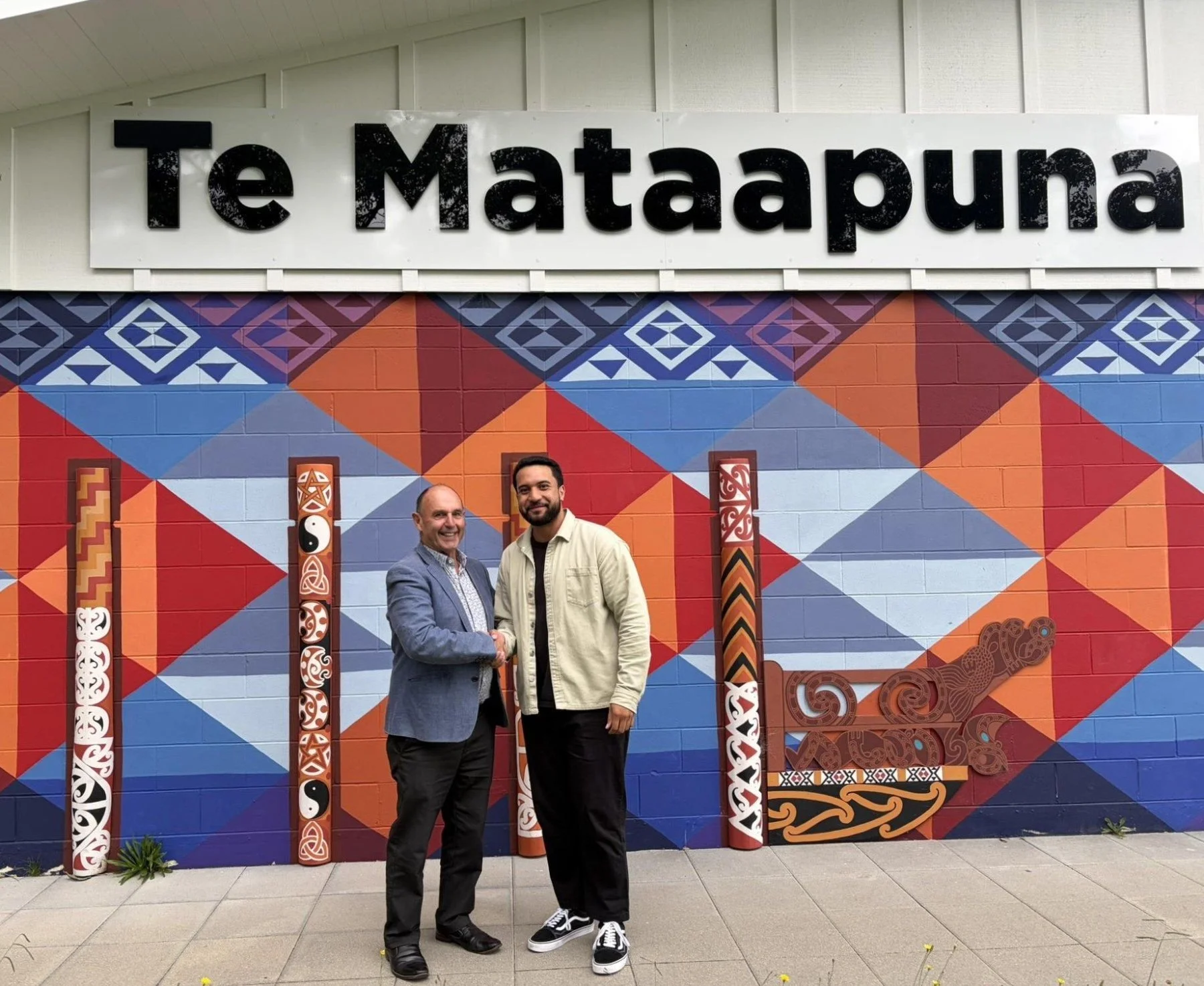
Tūrangi Co-Governance Committee co-chairs Te Wharau Walker Jr and Mayor John Funnell. Photo: Taupō District Council
By Dan Hutchinson and RNZ
A Co-Governance committee in Tūrangi is to be scrapped under new Government legislation.
On Monday, the Government announced that existing Mana Whakahono ā Rohe agreements will not continue under its future resource management system.
It was a late change to the replacement resource management legislation.
A Mana Whakahono ā Rohe agreement was put in place between Taupō District Council and Ngāti Tūrangitukua in 2022. The Tūrangi Co-Governance Committee effectively replaced the Tūrangi Community Board, with the Tongariro Representative Group covering matters in the southern Lake Taupō area, outside of Tūrangi township.
Mana Whakahono ā Rohe agreements are binding statutory arrangements under the Resource Management Act that allow iwi authorities and local authorities to agree how they will work together on resource management issues.
They can cover planning processes, information sharing, engagement and how Treaty settlement obligations will be reflected in local decision-making.
The agreements are designed to support or strengthen the relationship between tangata whenua and councils, but final decision-making powers remain with the council.
Tūrangi Co-Governance Committee Co-Chairs Te Wharau Walker Junior and Taupō District Mayor John Funnell say they will continue to work together for betterment of the Tūrangi community.
The partnership has supported a number of significant initiatives in Tūrangi, including the construction of Te Mataapuna Sports Facility, the development of the Te Kapua Park playground, the preparation of the Tūrangi Reserves Management Plan, and the development of the Tūrangi Community Partnership Plan.
Co-Chair Te Wharau Walker Junior said Mana Whakahono has provided a meaningful way for Ngāti Tūrangitukua and Council to work together as partners.
"Our experience here in Tūrangi shows that Mana Whakahono works. It has provided a practical way for us to engage early, build trust and work together on kaupapa that matter not only to our hapū, but to our wider community."
Co-Chair Mayor John Funnell said the relationship between Ngāti Turangitukua and Taupō District Council would endure.
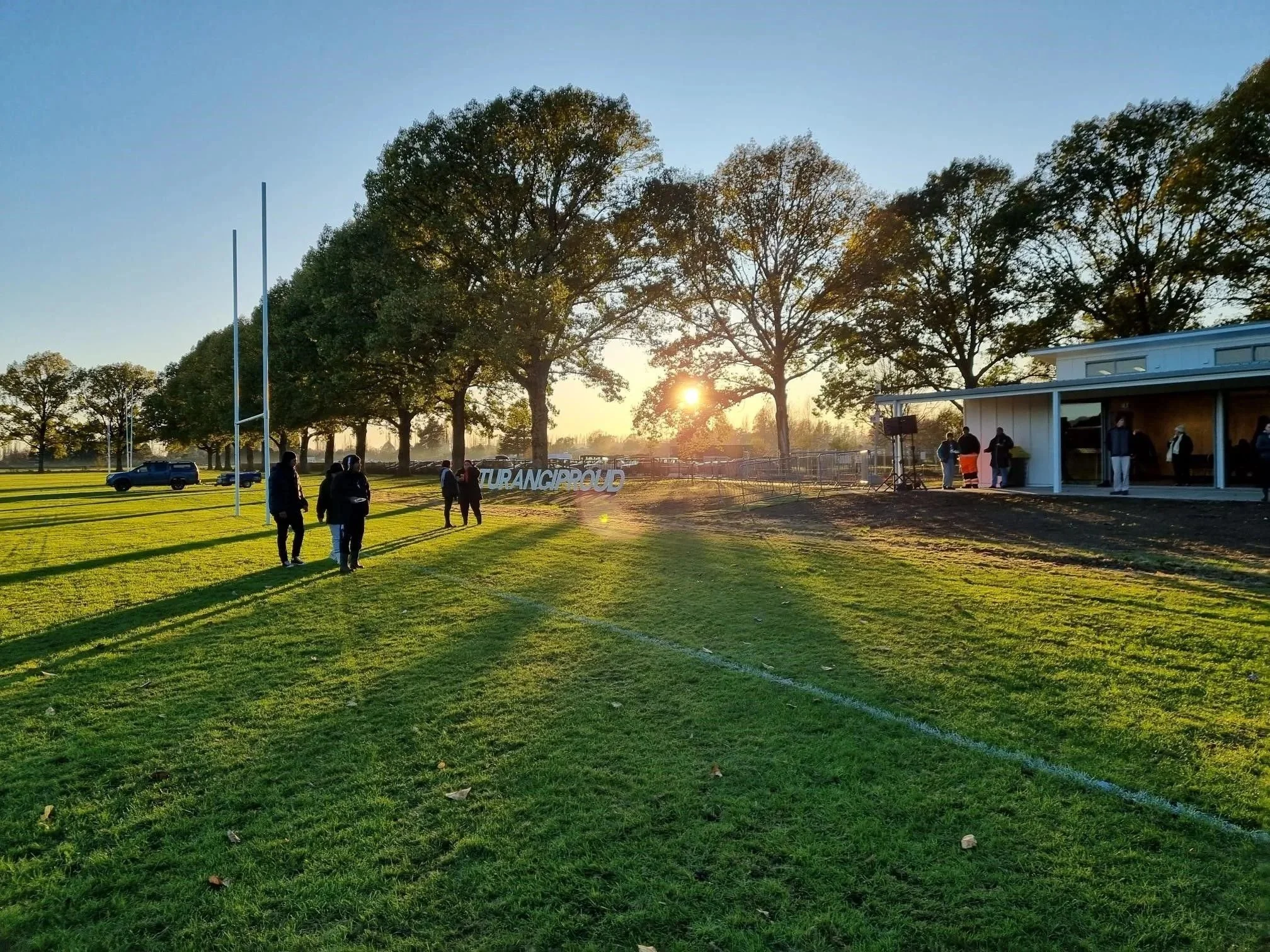
Tūrangitukua Park, Tūrangi is one of many public spaces covered by the Tūrangi Reserves Management Plan that was adopted at a CoGovernance meeting in February this year, described at the time as a significant milestone in the partnership between Ngāti Tūrangitukua and Taupō District Council.
“The agreement we have in Tūrangi recognises the fact that most of council’s assets sit on Turangitukua’s land and working together is a reflection of that deeper relationship. I am happy to see the gains we have made for the community over the past four years.
“Council has an ongoing relationship with Ngāti Tūrangitukua and that relationship will continue.”
At Monday’s Post-Cabinet press conference, Resource Management Reform Minister Chris Bishop said the Government’s decision followed a sharp increase in Mana Whakahono ā Rohe agreements after the replacement legislation was introduced.
“When we came in, there were eight of them... they really weren’t utilised at all.
“There’s been a massive surge of interest in them, and we’ve just decided that the cleanest thing to do is basically put in place these iwi participation agreements.”
Bishop says the new agreements will continue to give effect to Treaty settlements while simplifying how iwi participate in the planning system.
“It’s about actually streamlining and simplifying what that looks like in practice.”
He says the agreements will help guide iwi participation in the new regional spatial planning process, including identifying wāhi tapu and other places of cultural significance.
“I think most Kiwis would say the system should protect that stuff, and we should do it up high in the system.”
The announcement follows public lobbying by Federated Farmers, which argued councils were rushing to sign Mana Whakahono ā Rohe agreements before the new planning system came into force and called on ministers to stop existing agreements from carrying over.
Asked whether Federated Farmers had influenced the decision, Bishop acknowledged the organisation had advocated for the change.
“Federated Farmers wanted us to get rid of Mana Whakahono agreements, which we’ve done.”
However, he rejected suggestions iwi were being pushed out of the planning system.
“I think most Kiwis, including Federated Farmers, would accept that iwi aren’t going anywhere. They are part and parcel of New Zealand life.
“The Crown has for 30 years signed a succession of legally binding agreements with iwi that we intend to honour, and the system that we are building honours those agreements.”
Bishop says iwi will continue to play an important role under the new planning system and notes they are among the largest users of the Government’s Fast-track consenting regime.
“Iwi are some of the biggest users of Fast-track... they are as frustrated as anybody else by the strictures of the RMA.”
Labour says the government scrapping council agreements with local Māori will mean "a lot" of relitigating existing Treaty settlements.
The opposition party has stopped short of promising to repeal and replace the legislation, instead vowing to produce ahead of the November election a reworked bill setting out in detail what it would change.
Labour leader Chris Hipkins says there will "certainly be some changes" to that if Labour won power at the coming election.
"We're not proposing to continue to go through a repeal-and-replace cycle because that takes three years and ultimately we're comfortable, broadly, with the structure of it. But there are clearly areas that are off the table for us."