
Tourism happens in small towns too
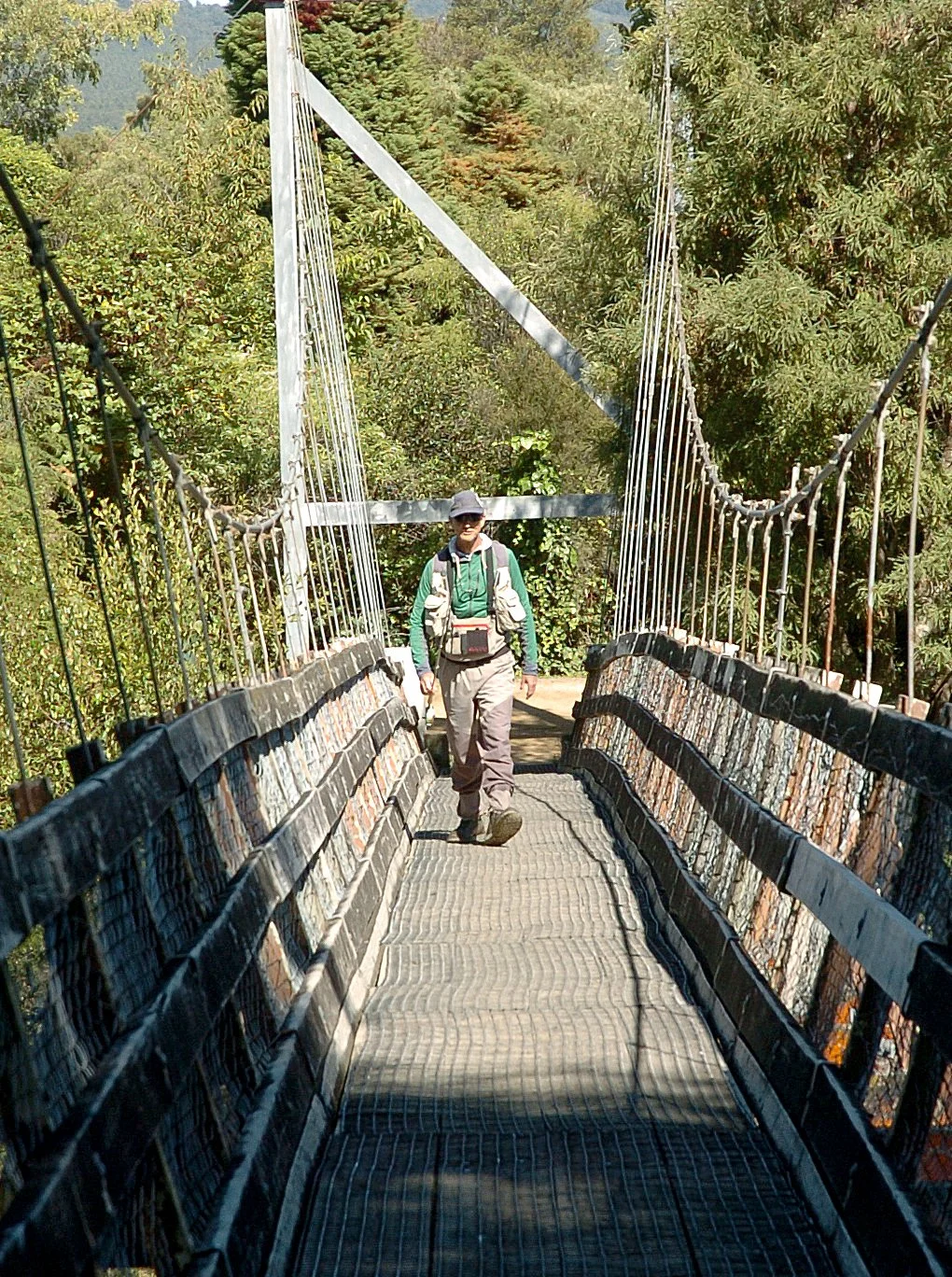
Major Jones Bridge over the Tongariro River in Tūrangi. Photo: Dan Hutchinson
OPINION: As New Zealand’s tourism sector continues to evolve, much of the public conversation focuses on headline attractions, major developments, and peak-season performance.
By Lewis Dawson / Tūrangi Junction
These discussions matter, but they can overlook a longer-term reality. Tourism does not only happen at icons or during busy weeks. It happens in communities, across the year, and often across generations.
Tūrangi is one of those communities.
Located beside Tongariro National Park, at the southern end of Lake Taupō, and on the Tongariro River, Tūrangi has welcomed visitors for well over a century.
Long before modern tourism campaigns or digital platforms, this area was being promoted internationally for its fishing, landscapes, and sense of adventure.
Some of the world’s most influential angling and travel writing emerged from this place.
Writers such as Zane Grey helped establish the region’s reputation decades before mass tourism existed, carrying stories of the Tongariro River and surrounding landscapes to readers across the world.
These publications did not promote a single attraction. They promoted a place and a way of experiencing it.
That tradition continues today in quieter but still meaningful ways. Independent bookshops and local authors continue to carry these stories forward, acting as informal guides to place.
Visitors come for maps or advice but often leave with something deeper — a sense of why a place matters, and a reason to return.
That long history shaped how tourism developed in Tūrangi. It did not grow around one moment or one product, it grew as a base for people staying, exploring and returning. Over time, tourism became woven into everyday life rather than layered on top of it.
Today, that pattern continues. On a recent day at Tongariro Junction accommodation, guests from 17 different countries had all independently booked from their own home countries through online platforms or direct channels. None were part of inbound tour groups. That speaks to the continuing international pull of place itself.
Visitors come to walk, fish, and rest. This steady flow supports local households and sustains a range of small businesses.
For many families, tourism is not about peak-season windfalls, but year-round continuity.
Visitors interact with the town as it exists. They resupply at the supermarket, use the library, visit the local bookshop, sit in cafés, and share space with locals going about their daily routines. These everyday interactions shape how visitors experience a place and whether they choose to stay longer or return.
In periods of uncertainty, this becomes even more important. Travellers increasingly favour destinations that are easier to reach, involve shorter drive times, and offer confidence that the basics will simply work.
For towns like Tūrangi, that proximity and ease of access are becoming part of its competitive strength.
Despite this long history and ongoing contribution, towns like Tūrangi can be under-recognised in wider tourism narratives. Success is often measured by scale or visibility, rather than by communities that consistently support visitors year-round.
If New Zealand is serious about building a resilient tourism future, it must look beyond peak metrics and marquee locations. It must recognise the communities that host visitors consistently and sustain tourism as part of everyday life.
Tūrangi is not a story of survival. It is a story of performance without proportional investment, and of what is possible when a community continues to deliver year-round value from long-established tourism foundations.
Its contribution has been steady, long-standing, and international in reach, and it warrants recognition in the national tourism conversation.
Promotional campaigns bring people in, but communities and place are what make them stay, return, and tell others.