
Billion-dollar energy boost
Mercury is planning up to $1 billion in new investment at its Ngā Tamariki and Rotokawa geothermal fields.
The company announced at its Investor Day Presentation last week, it is committing $75 million for geothermal appraisals at the two fields in the Taupō district.
The company has just completed a $220 million upgrade of its Ngā Tamariki plant, taking its output to 132MW. It now hopes to increase output from that field even further, by at least 48MW and as much as 128MW.
In the case of Rotokawa – the hottest geothermal reservoir currently in production – it hopes to add anywhere from 50-125MW to the current output of 175MW.
The Ministry of Business, Innovation and Employment is also investing $60 million at Rotokawa on a project to explore much hotter reservoirs at greater depths.
Mercury’s two projects could add 1TWh of geothermal generation, equivalent to the power required to run 125,000 average homes.
There is a further 1.5TWh of resource also under “active development” but yet to reach the feasibility stage and it believes its fields have total untapped potential of about 5TWh.
Mercury Chief Executive Stew Hamilton says Mercury’s geothermal growth will be progressed in phases, with major capital decisions to follow appraisal results, technical work and investment approvals.
The consistent output from geothermal power stations makes them popular over more weather dependent forms of renewable energy such as wind, solar and hydro.
“Scaling our geothermal platform will strengthen our renewable portfolio, support long-term contracting with major energy users, and help meet New Zealand’s growing demand for affordable, reliable and renewable electricity.
“We have a credible, investable and repeatable geothermal platform, a strong pipeline of opportunities, and the capability and partnerships to deliver,” Hamilton says.
He says Mercury’s “near-term focus” is on maximising conventional geothermal, but it is also positioning itself for “long-term next-generation geothermal options”. That includes harnessing superhot geothermal, for which the technology currently does not exist.
“Our team is match fit, having successfully completed the $220m expansion of the Ngā Tamariki Geothermal Station on budget and on time in March,” Hamilton says.
“We have deep geothermal expertise, a strong track record of geothermal exploration, development and operations, and enduring, multi-decade relationships with our iwi partners.”
Mercury has five geothermal stations operating in the central North Island, generating about 2900GWh.
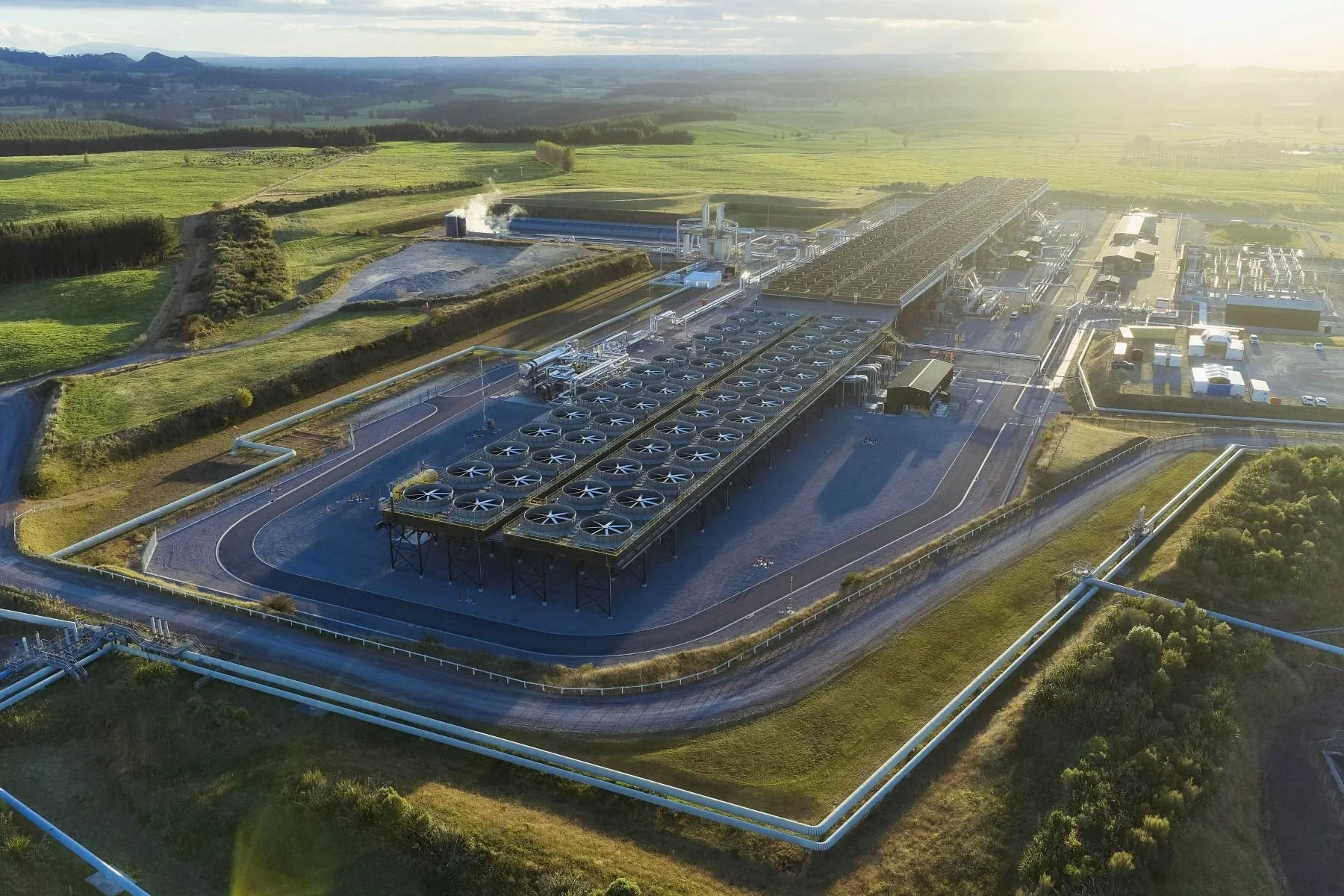
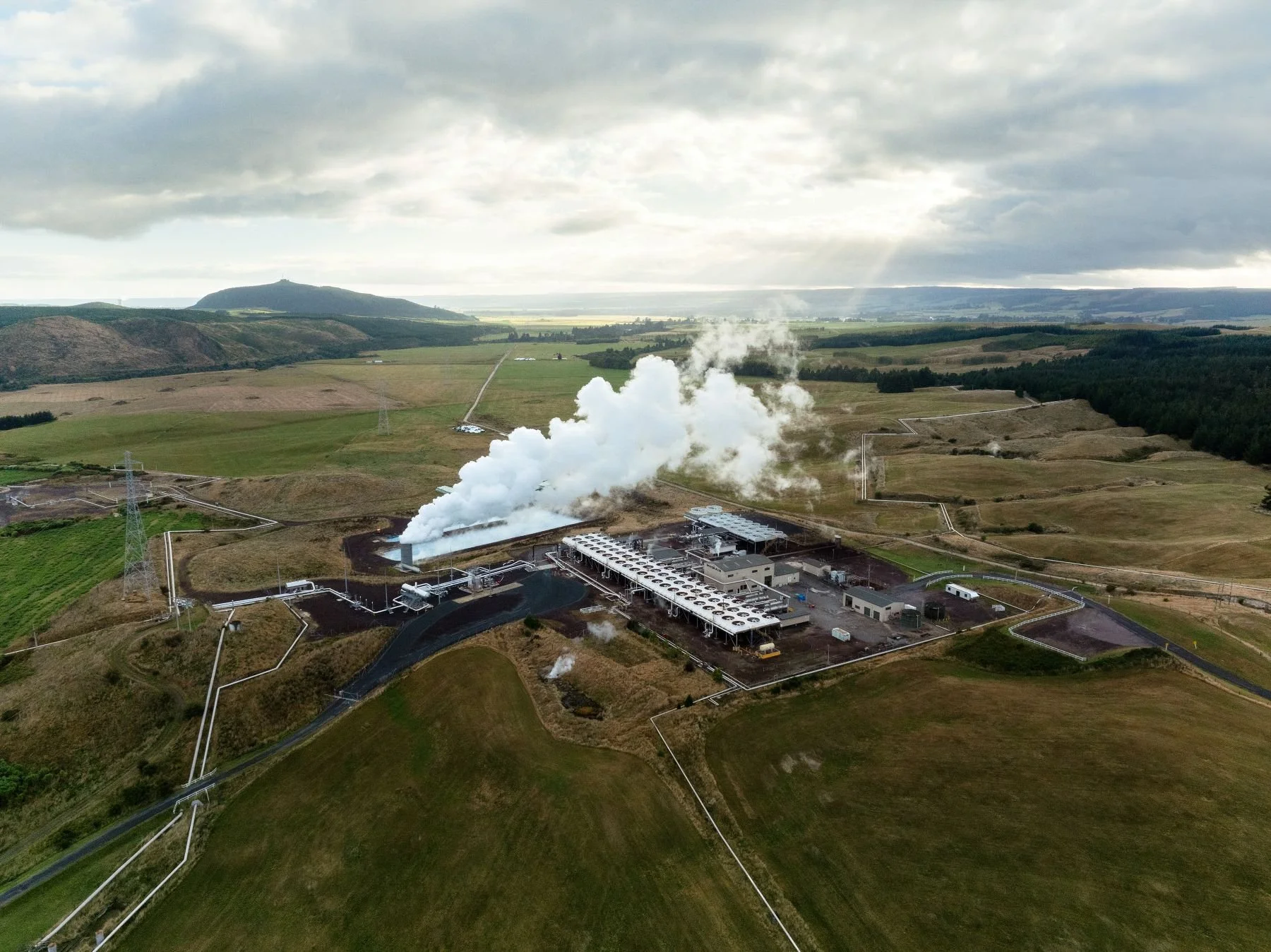
Mercury’s Rotokawa geothermal power station near Taupō produces 175Mw of electricity but the expansion could take it as high as 300Mw.