
Trout centre fights to stay afloat
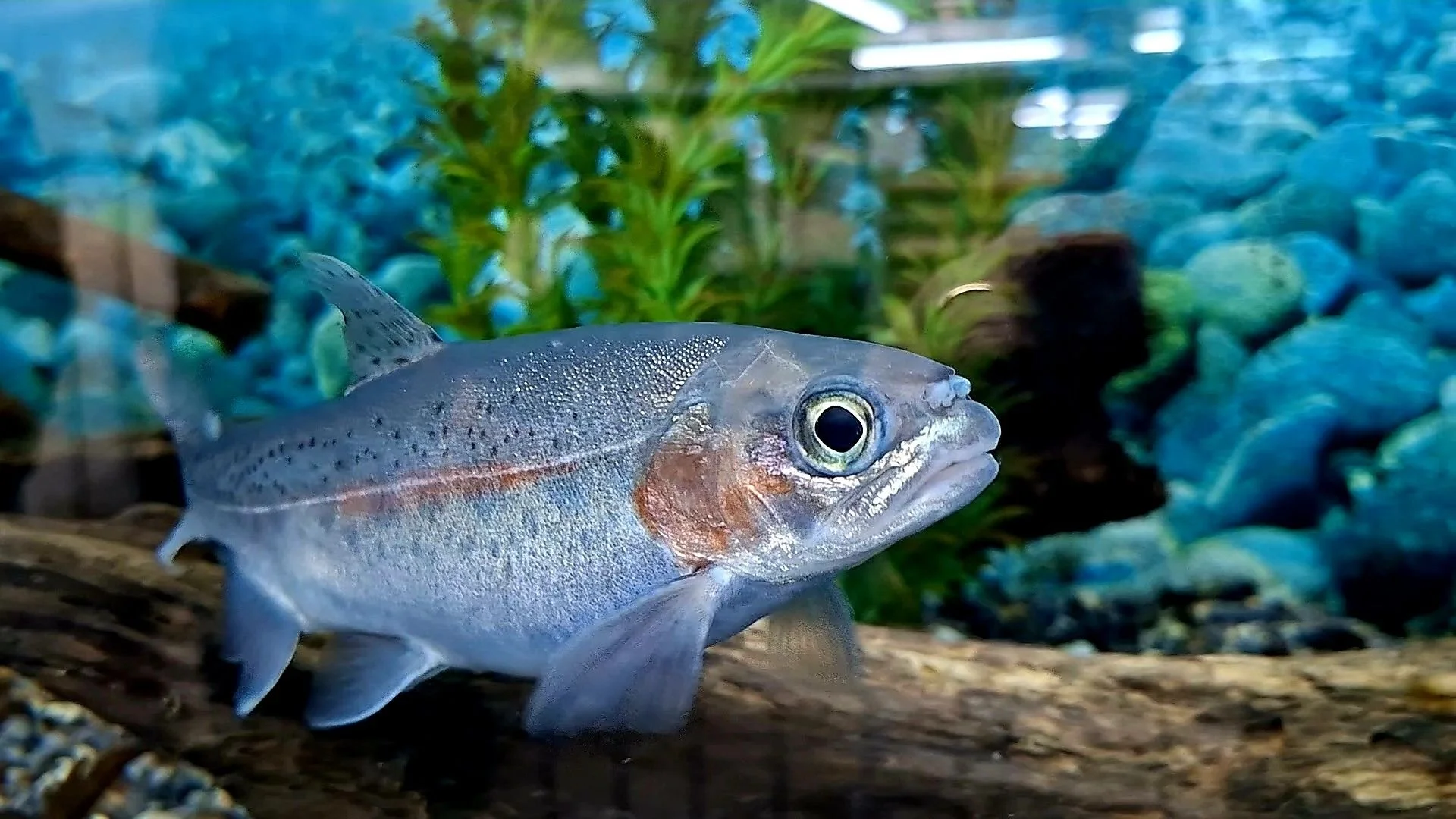
When Taupō District Council concluded its education partnership with the Tongariro National Trout Centre in 2024, local school trips stopped going.
By Bronson Perich - Local Democracy Reporter
Newly appointed manager Clint Green told Local Democracy Reporting the centre was in desperate need of funding, volunteers and visitors.
He said the centre’s main purpose was education on trout, freshwater and its associated flora and fauna, but with the reduction in school trips, the centre didn’t have as much revenue or as many visitors coming in.
“The number one priority is to keep the place afloat,” Green said.
“For that we have to rely on charitable funding.”
Despite being situated on Department of Conservation land, the Tongariro National Trout Centre isn’t a government entity.
It’s owned and operated by Tongariro National Trout Centre Society, a non-profit with charitable status.
The centre has two full-time workers, two part-timers and approximately 20 volunteers.
Green said aside from funding support, the centre needed more volunteers.
There’s a variety of jobs up for grabs, such as groundskeeping and teaching young kids how to fish.
Newly appointed Tongariro National Trout Centre manager Clint Green. Photo: Bronson Perich
Teaching the kids
The trout centre is part museum, hatchery, aquarium, bush walk, conservatory and fishing school.
Green was one of the chief educators before taking over the management.
With his educator position becoming vacant, he now needs to recruit replacements to carry on from where he left off.
“My third priority is to continue with the education programmes we’ve got,” he said.
“This is a really unique place, and we’re not just focusing on trout.”
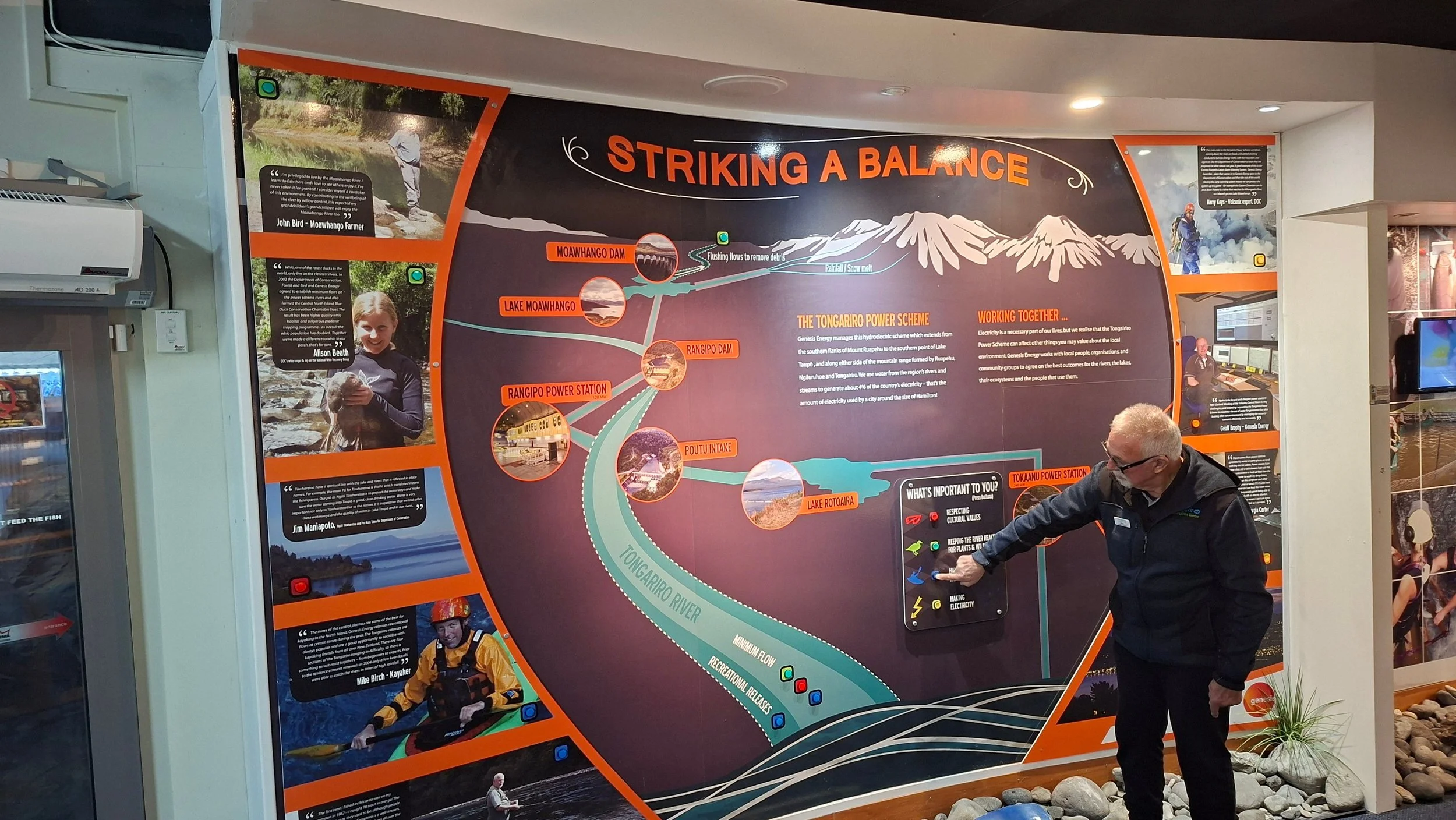
Native fish such as the hawai (giant kokopu), toitoi (giant bully) and the kōaro live in the on-site aquarium.
These fish species once thrived in Lake Taupō and its tributaries.
Before the introduction of the trout, these fish, along with other species such as the kēwai/koura (native lobster) and kākahi (freshwater mussel) were treasured as a food source by Ngāti Tūwharetoa.
Many native fish populations declined after the introduction of trout and other invasive fish, while habitat changes associated with development of the Waikato River hydro-electric scheme further altered freshwater ecosystems (as noted in the report Hydroelectric dams and fish passage in New Zealand prepared for Te Wai Māori Trust).
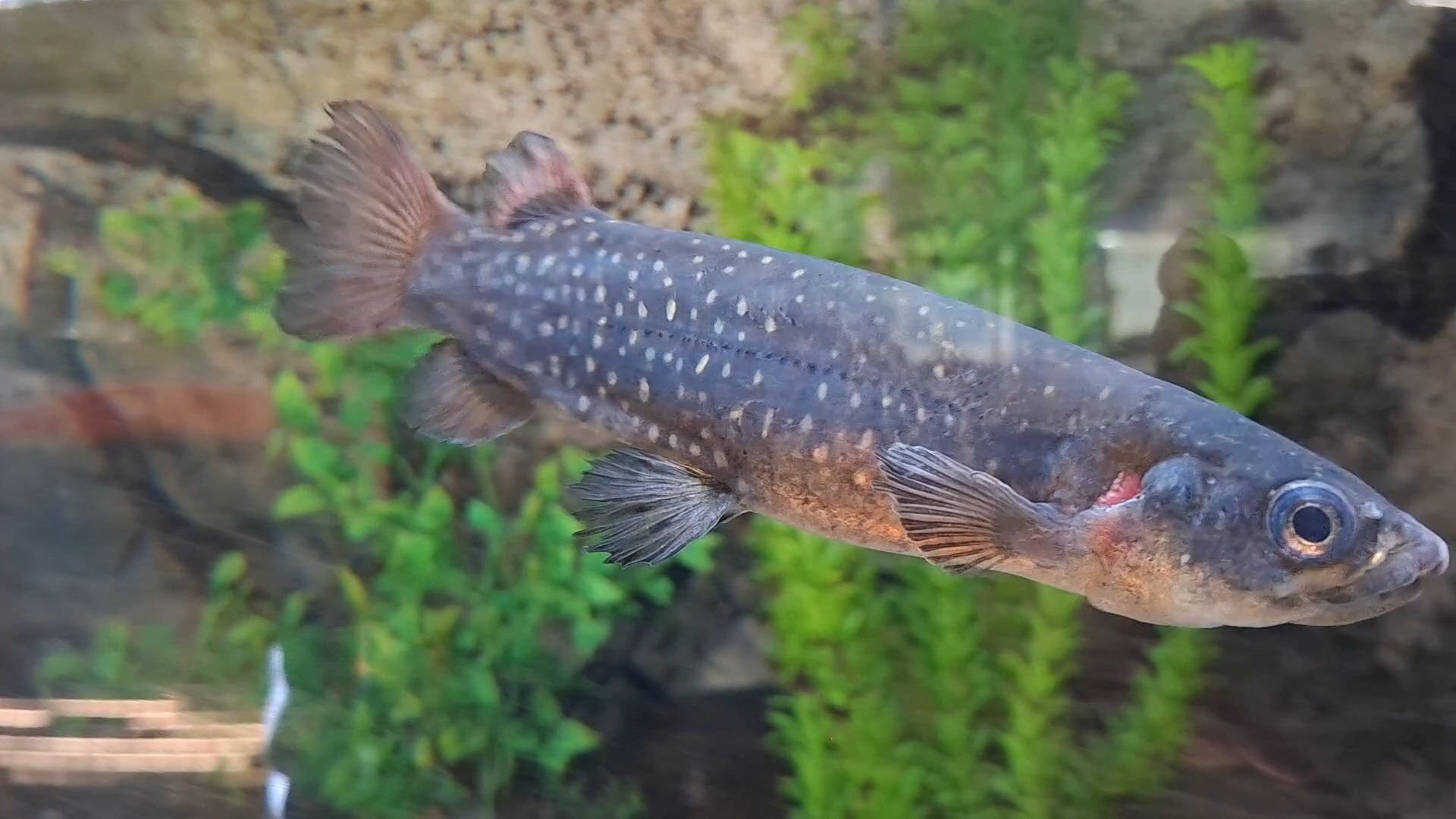
The centre doesn’t breed native fish, but it strives to educate the public about the plight the species face.
The centre also features a trout pool where kids can learn how to fish.
Taupō District Council told Local Democracy Reporting its partnership with the trout centre was $15,000 plus GST and brought more than 3000 students through the centre’s doors.
But when the partnership concluded in 2024, the council didn’t receive further funding applications.
A one-off funding boost of $800 plus GST had been granted from the council-operated Tūrangi-Tongariro Community Fund in 2025.
Centre needs TLC
Aside from volunteers and visitors, the centre itself also needs some attention.
Green said parts of the building had been damaged by rats and some of the displays were broken, but the centre didn’t have the money to fix them.
One of the broken displays was sponsored by Genesis.
The Tongariro Power Scheme, owned and operated by Genesis Energy, and its three hydroelectric power stations, Rangipō, Mangaio and Tokaanu, draw water from three rivers and Lake Rotoaira.
This means the power stations impact the rivers and lake that feed them, along with the marine life that live in their waters, Green said.
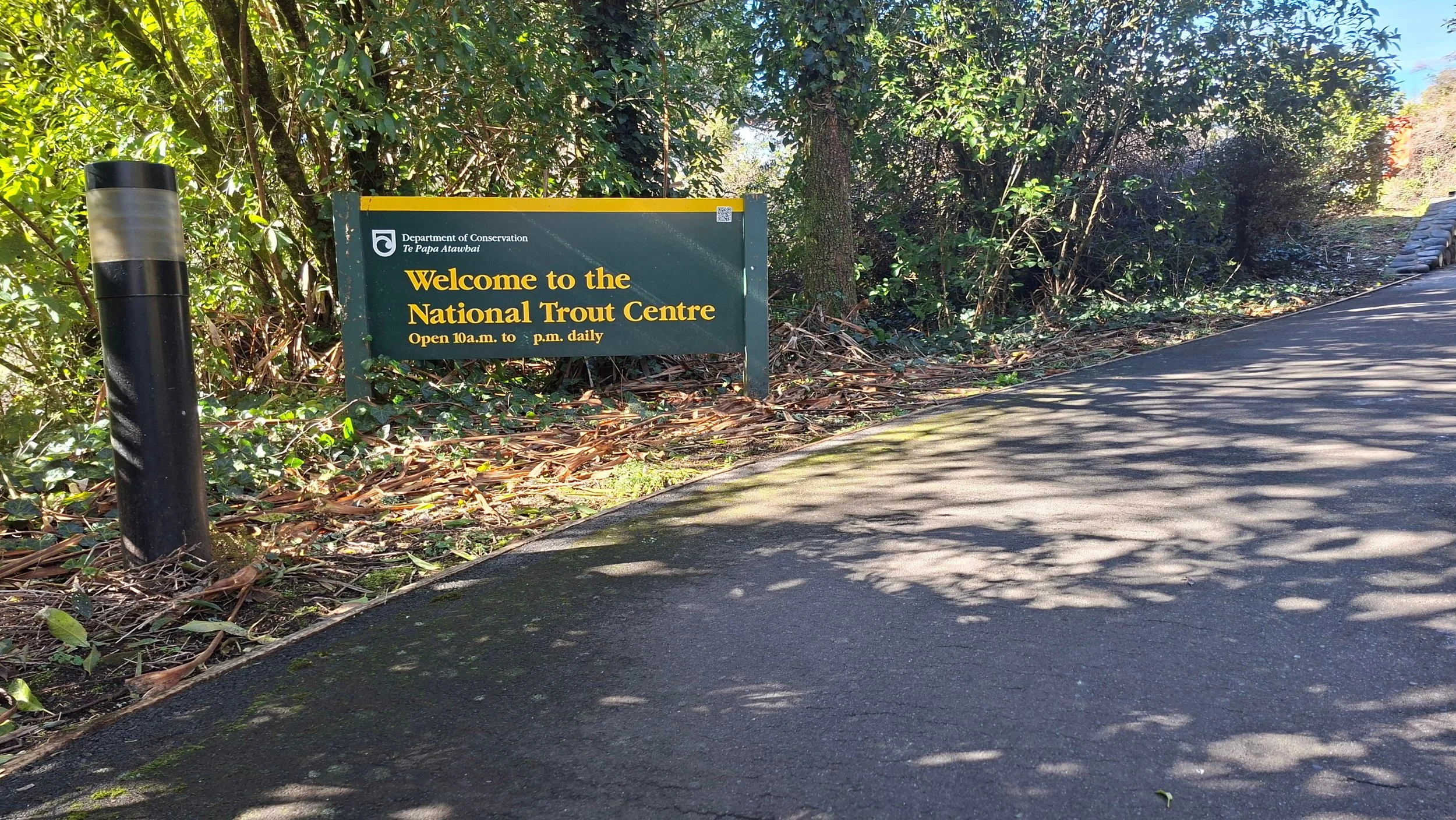
The broken display explains this.
A spokesperson from Genesis Energy told Local Democracy Reporting that while they no longer gave financial contributions to the trout centre, they’d be happy to send an electrician to help with the display.
Anyone wanting to donate or volunteer at the trout centre can reach out via its website.
-LDR is local body journalism co-funded by RNZ and NZ On Air.