
Taming the Kaimanawa
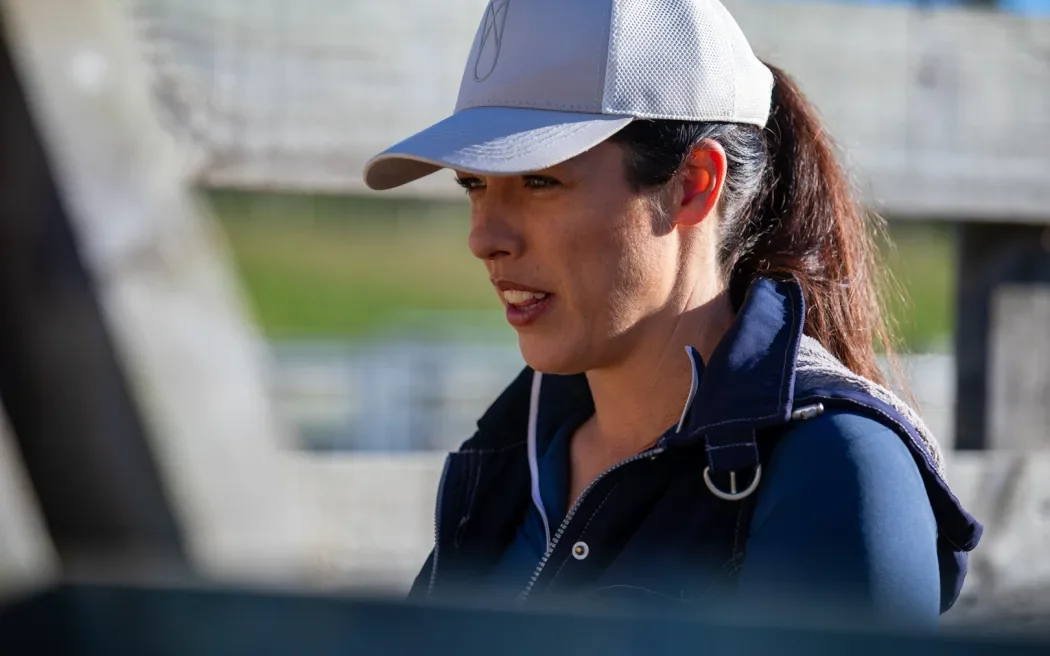
Kelly Wilson. Photo: Nick Monro
As the morning fog cleared to reveal stunning views of rolling hills and geothermal steam rising skywards, Kelly Wilson and her trainers got to work.
By Jimmy Ellingham, for Country Life
"We've got 16 wild Kaimanawas from the April muster. They're about three weeks into their training," she told Country Life on a visit to her 18-hectare property just out of Taupō.
"We bring the horses in and work with them. Normally the horses are worked six times a week.
"The idea is to go through each of them and help them reach new milestones."
Of those 16 horses, Wilson was keeping two, and one of her trainers, Morgan Chandler-Bruce, was keeping one.
The other 13 were off to new owners throughout New Zealand.
'World-leading approach'
Fifty-eight horses were mustered from the central North Island hill country in April, and more were given contraception, in an effort to keep herd numbers under control.
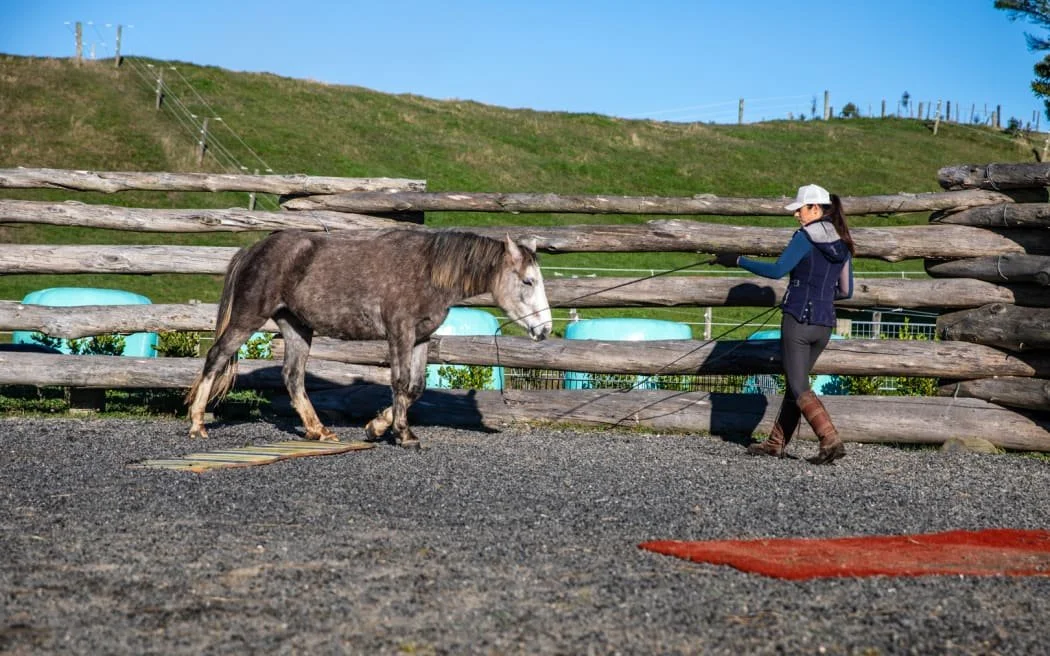
Kelly and Captain. Photo: Nick Monro
The Department of Conservation said the ideal size of the wild herd, which dates back to the 1870s, is about 300 but its current size is about 500.
The musters began in the 1990s, when the herd was four times that size, and most horses rounded up were euthanised.
Wilson, a founding board member of the Kaimanawa Legacy Foundation, said New Zealand's approach is now world-leading. Not one Kaimanawa horse has been culled and killed for more than a decade.
Wilson moved to her current property about five years ago and has since built a horse sanctuary, with stables, training grounds and an area of native bush.
Pied Piper at work
This training day, the horses were a little reluctant to come over, so Wilson put one of her best to work - Captain, an almost 20-year-old stallion she took in from the 2018 muster.
"His role ever since has been to babysit the youngsters, whether they're our domestic-born ones or the wild ones coming through.
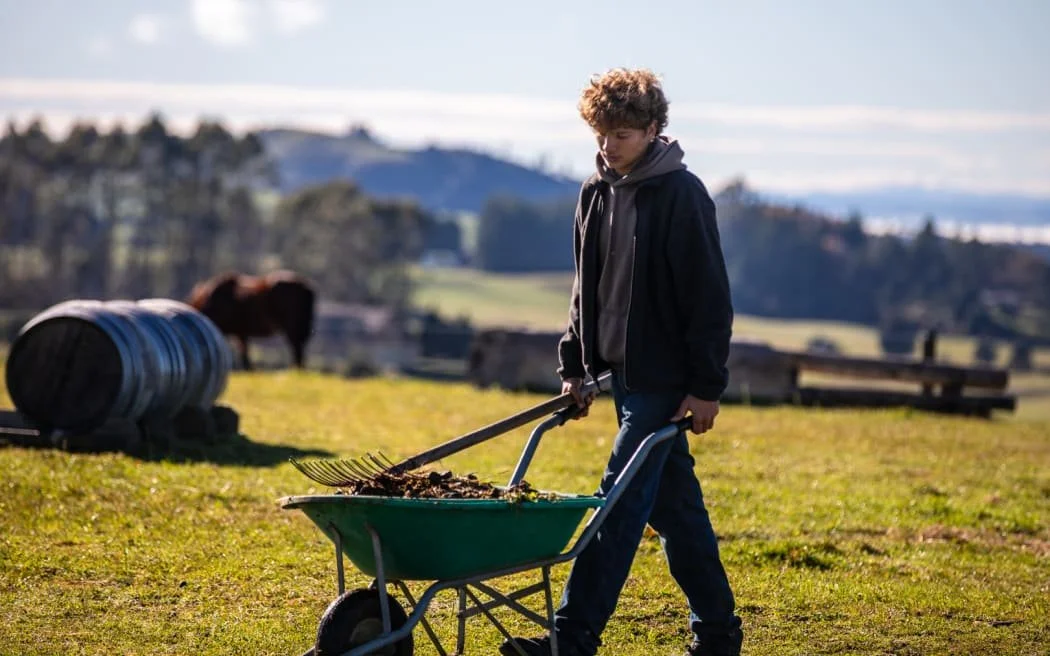
Bjarne Streyl. Photo: Nick Monro
"He works like a Pied Piper-sort of role. If we need to get them in then if I lead him somewhere, they will follow."
Wilson said Captain had been slow to tame at first, but was now a valuable part of the horse sanctuary. He is also a past champion of the Stallion Challenge, where wild horses show off their skills in an annual equestrian competition.
Watching Wilson put this year's horses through their paces, it is hard to believe they were part of a wild herd just weeks before.
The horses were calm and quiet, barely making a sound.
One of the two horses Wilson had decided to keep was juvenile filly, Eclipse.
She had been working on getting her used to human touch, starting by shadowing her movement before any physical contact. Now it was time to touch her back.
Eclipse took it in her stride and Wilson gave her a moment to lick and chew - signs of relaxation.
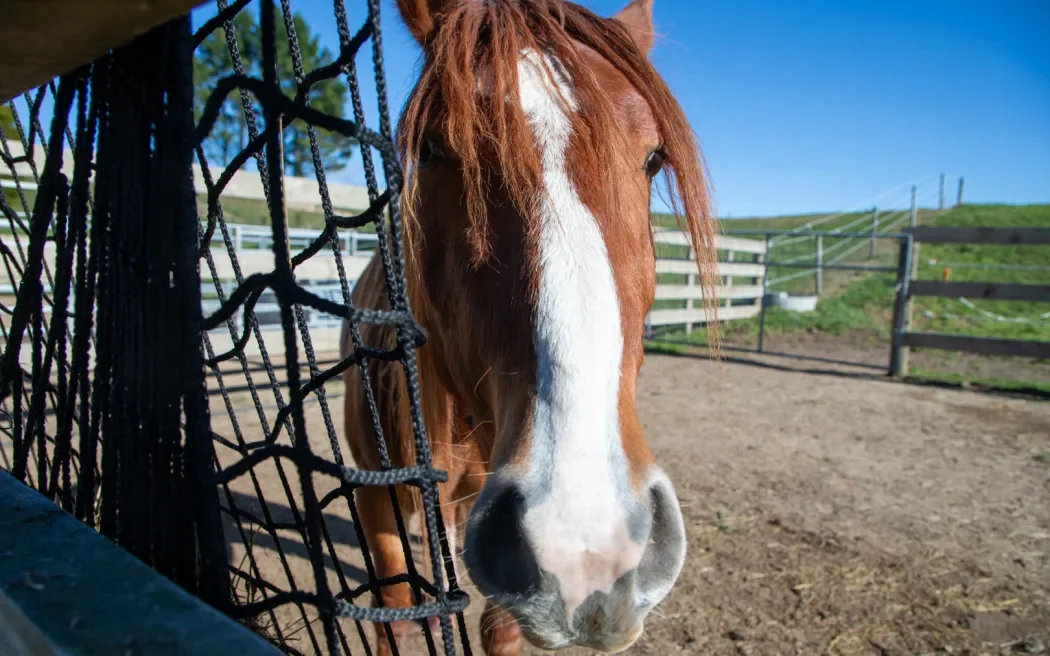
Hacket. Photo: Nick Monro
Wilson said she grew up around horses and rode before she could walk.
In 2010, she and her sisters watched the annual muster and Wilson has been rescuing and training horses ever since.
"When we were seeing the Kaimanawas for the first time we realised they were really no different to all the ponies we had when we were growing up - diamonds in the rough," she said.
"We didn't see these feral, wild horses, but we saw future champions and horses that really deserved a second chance at life."
About two-thirds of the rounded-up were slaughtered each year, and Wilson recalled the emotion of seeing a stock truck drive away with horses which would die.
She and her sisters had planned to rescue a couple of stallions, but ended up saving 11 horses.
Wilson is now familiar with most of the wild herd, regularly photographing and documenting them, an endeavour she has turned into a book. She said it helped people see the horses as individuals.
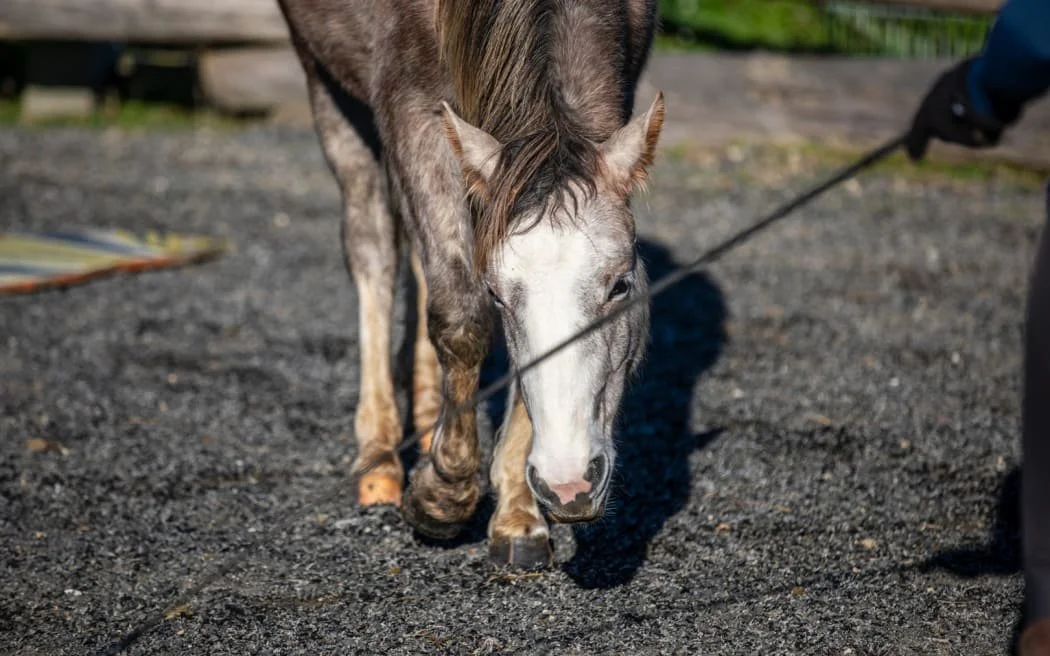
Holloway. Photo: Nick Monro
'Soulful animals' keep trainers honest
Among those helping train this year's horses was 19-year-old Bjarne Streyl, from Germany, who has had to adjust his travel plans.
"I found out that in New Zealand we have wild horses. My first thought was to tame them and then travel by wild horse, but that's not that easy.
"In New Zealand a lot of land is owned by people, so you're not allowed to trespass."
Streyl had been helping around the property for five weeks, and when the Kaimanawa horses arrived he was assigned a stallion - Holloway - to train.
"I would say that he's the best. He's so brave. He does everything with you. I can lead him round the bush and do obstacles. He does everything right away."
Holloway is now off to his new home along with a dozen others dispersed around the country after getting to know their new owners at Wilson's property.
It was hoped homes could be found for another 91 during a second muster in June, but applications so far had been slow.
Wilson put this down to cost-of-living pressures, but said this year was always going to be tough after homes were found for more than 200 horses in 2025.
Streyl admitted he would miss the horse he had worked so closely with, but he would take his experience to a new venture in the United States - taming wild horses on a ranch.
Morgan Chandler-Bruce, another trainer at Wilson's sanctuary, has worked with Kaimanawa horses since 2019 and is the defending champion trainer for the stallion Challenge.
This year she has been working with four-year-old stallion, Hacket.
"We have roughly six months to train them from wild to competition ready. We then take them to Equifest, which this year is based in Hamilton.
"We have three classes we compete in to show every skill they need to thrive in domestication."
The competition includes a section for the horses to show off any tricks they have learned.
Over the next six months Hacket will go on plenty of adventures as his world expands.
Chandler-Bruce said even after a few years she was still learning a lot from training Kaimanawa horses.
"They're very soulful animals. They teach you so much."
"They require you to be at your very best and if you're not you've got a lesson to learn."
Wild horses communicated differently, she said.
"I find domestic horses to be dull communicators - not in a bad way. The wild horses just require you to be so refined and switched on.
"Domestic horses are just like, 'Oh, OK, I'll do that. We'll just go here.' A wild horse is like, 'Why do we have to go here? How can you make this easier for me?'"
The June muster is expected to happen from the middle of next week.