
Green Party joins the race
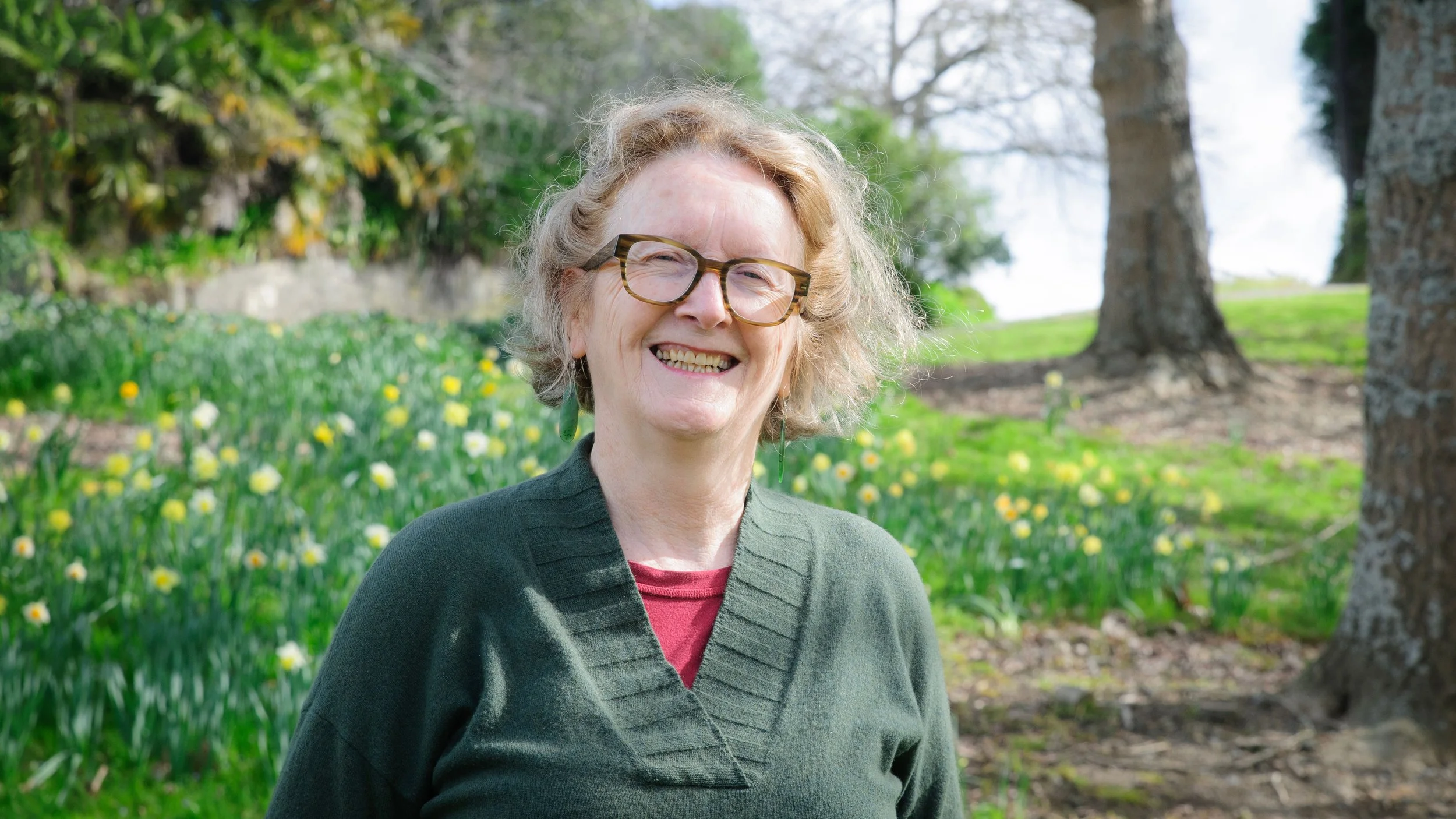
Celine Kearney is standing for the Taupō Electorate. Photo: Supplied
Taupō News has been profiling each of the Taupō Electorate candidates. Just when we thought we had covered everyone, Green Party candidate Celine Kearney put her hand up last week.
Celine describes herself as a "paper electorate candidate” focused on encouraging voters to support the Green Party with a party vote rather than winning a seat in Parliament.
Like incumbent MP Louise Upston and Labour candidate Chris Flatt, Celine is based in Cambridge at the northern end of the vast Taupō electorate.
She teaches English to migrants, refugees and international students, and stepped into the role after the previous Green candidate for the seat, George O'Connor Patena, decided to prioritise whānau this time around.
"I'm here to encourage people to vote Green," she says and hopes a younger candidate will take over the role in the next electoral cycle.
Freshwater quality is her top priority.
"The Green water policy is drink, swim, fish," she says.
She acknowledges farmers are working hard to meet environmental rules but argues more needs to be done — particularly around intensive dairy farming and synthetic nitrogen fertiliser use on the Canterbury Plains.
"I understand that if you're running a business, if you're running a farm, you have to earn enough money to pay your bills.
"But we have to have more than just the economic bottom line. There needs to be an environmental bottom line and a social bottom line."
She also raises concerns about rising electricity prices, arguing that the current model prioritises profit over people.
Kearney has candidate meetings planned in Tokoroa and Cambridge in October, but nothing planned in the Taupō District just yet.
Her involvement with the Green Party stretches back decades and she has voted Green since the party split from the Alliance in the 1990s.
She has been active in the peace movement and the Nuclear Free and Independent Pacific Movement through the 1980s and 90s, and remains involved in women's networks both locally and internationally.
She is the daughter and granddaughter of South Island sheep farmers, and granddaughter of North Island dairy farmers.
"For me it's protecting our fresh water from further harm. The rivers I swam in as a child are less safe and less predictable now.
“The huge, braided rivers of the South Island and many other smaller rivers have been degraded and polluted, as have the rivers of the North Island. This is a direct result of intensive dairying and intensive irrigation.”
She is not criticising every farming family but believes industrial dairying with very large herds is particularly damaging.
“Many communities now can't drink the water that comes out of the tap, because bores are polluted."
Kearney points to a suite of Green Party policies she believes will make a tangible difference to New Zealanders, including support for healthy freshwater systems, economic policies that prioritise people over corporates, and an energy system built around renewable infrastructure and household solar resilience.