Going in to bat for the little guy
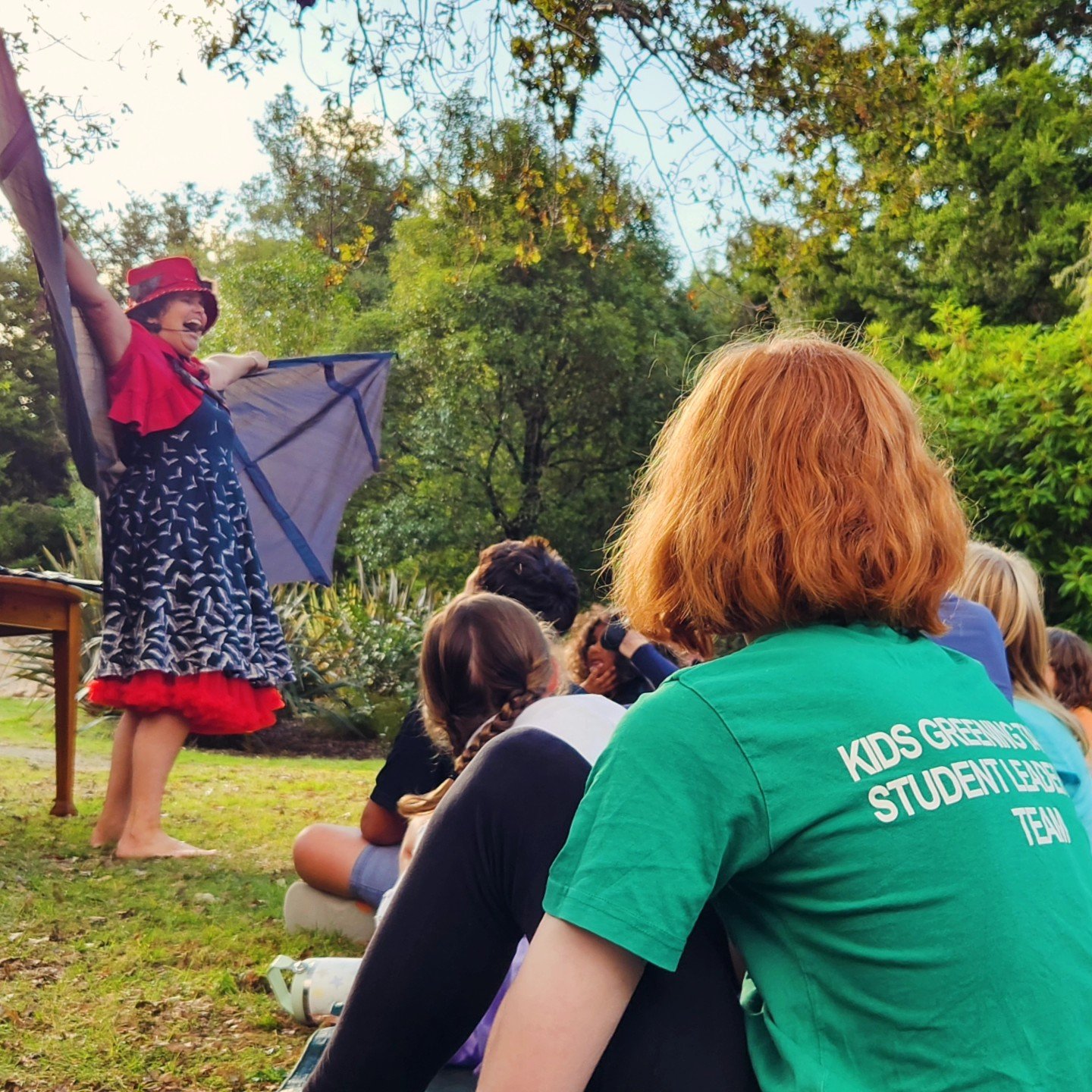
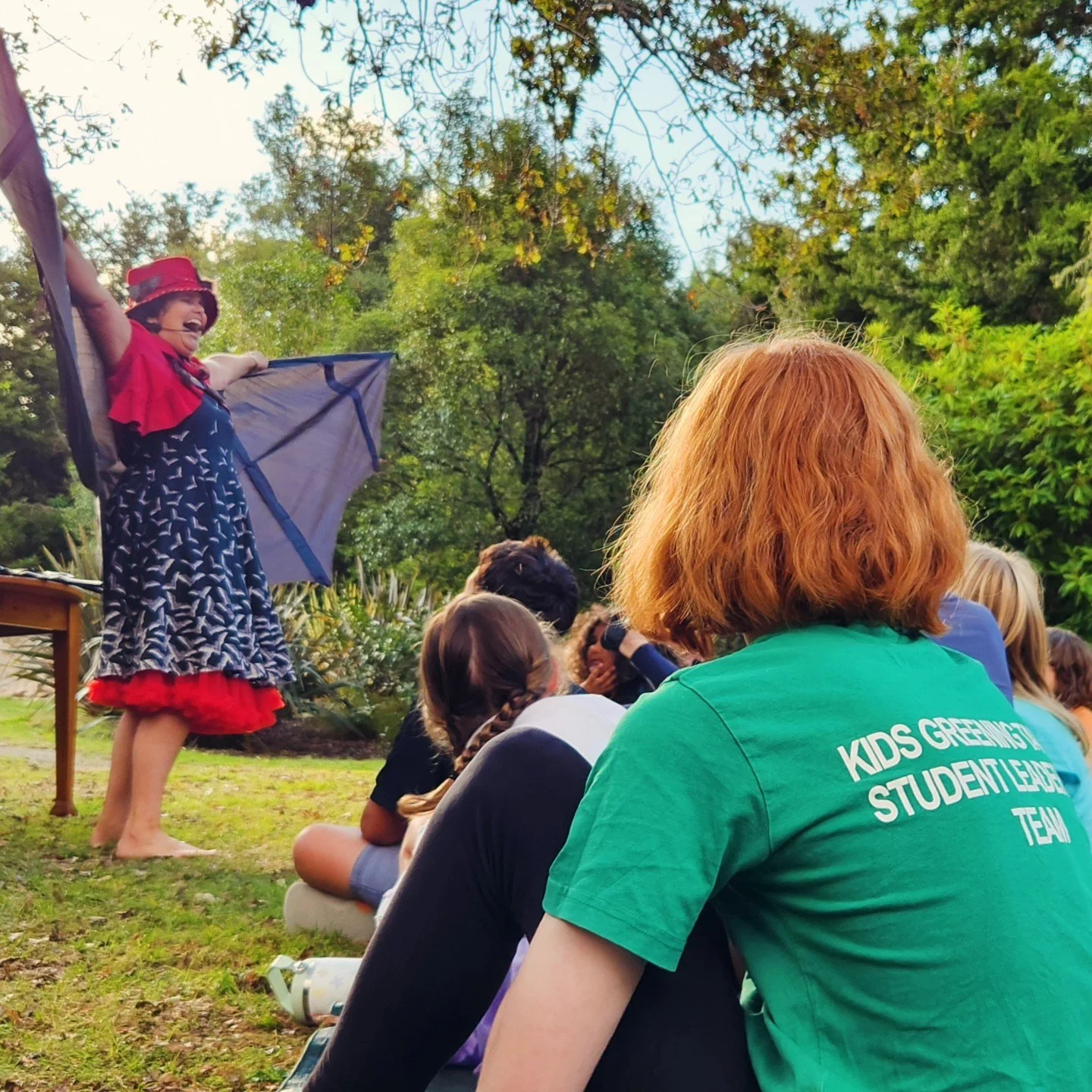
Bat entertainer Tanya Batt hosts a show at Waipahihi Botanical Gardens.
Long-tailed bats (pekapeka) have been detected in Taupō's Botanical Gardens, the first time there has been evidence of them in the town.
By Dan Hutchinson
Kids Greening Taupō education coordinator Rachel Thompson says they were loaned a device that records and identifies bats from the sounds they make.
The recording was verified by a bat expert who confirmed the sounds belonged to a pekapeka.
"It was the first ever recording of a bat in these gardens and in this real urban Taupō environment, so super exciting."
Previous detections have been limited to locations like Bonshaw Park and Mount Tauhara rather than central urban spaces.
Bats have also been recorded at Tūrangi Golf Club and Tongariro School is making artificial bat roosts to help protect them.
New Zealand has three native bat species, though one has not been seen since the 1960s and is thought to be extinct. The remaining two species are both under threat from habitat loss and introduced predators.
Thompson credits the most recent detection to restoration work by the Waipahihi Botanical Society, whose trapping and planting efforts have created suitable habitat. The bat would have needed to fly within 20 metres of the detector for the device to record its presence.
"It's testament to the amazing work that the Waipahihi Botanical Society have done with all their trapping and their planting. Look at this amazing forest around us that they've planted."
Plans are underway to install artificial bat roost boxes in the gardens.
Rachel has also attended a bat conference recently where she learned about proper installation techniques, including predator-proofing measures.
"In Hamilton they've had amazing success with the bat roost boxes. They've put them up and they've had really high occupancy rates."
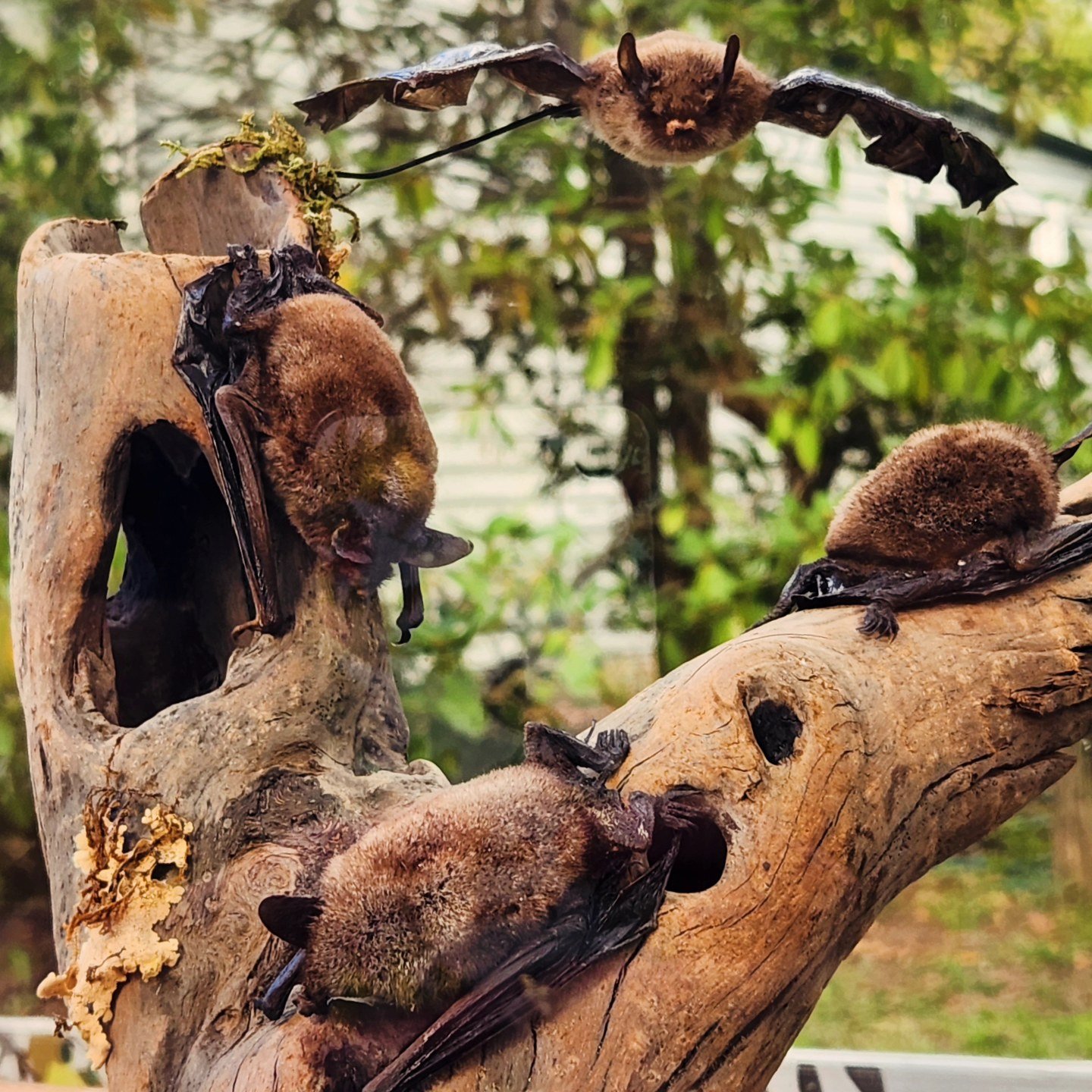
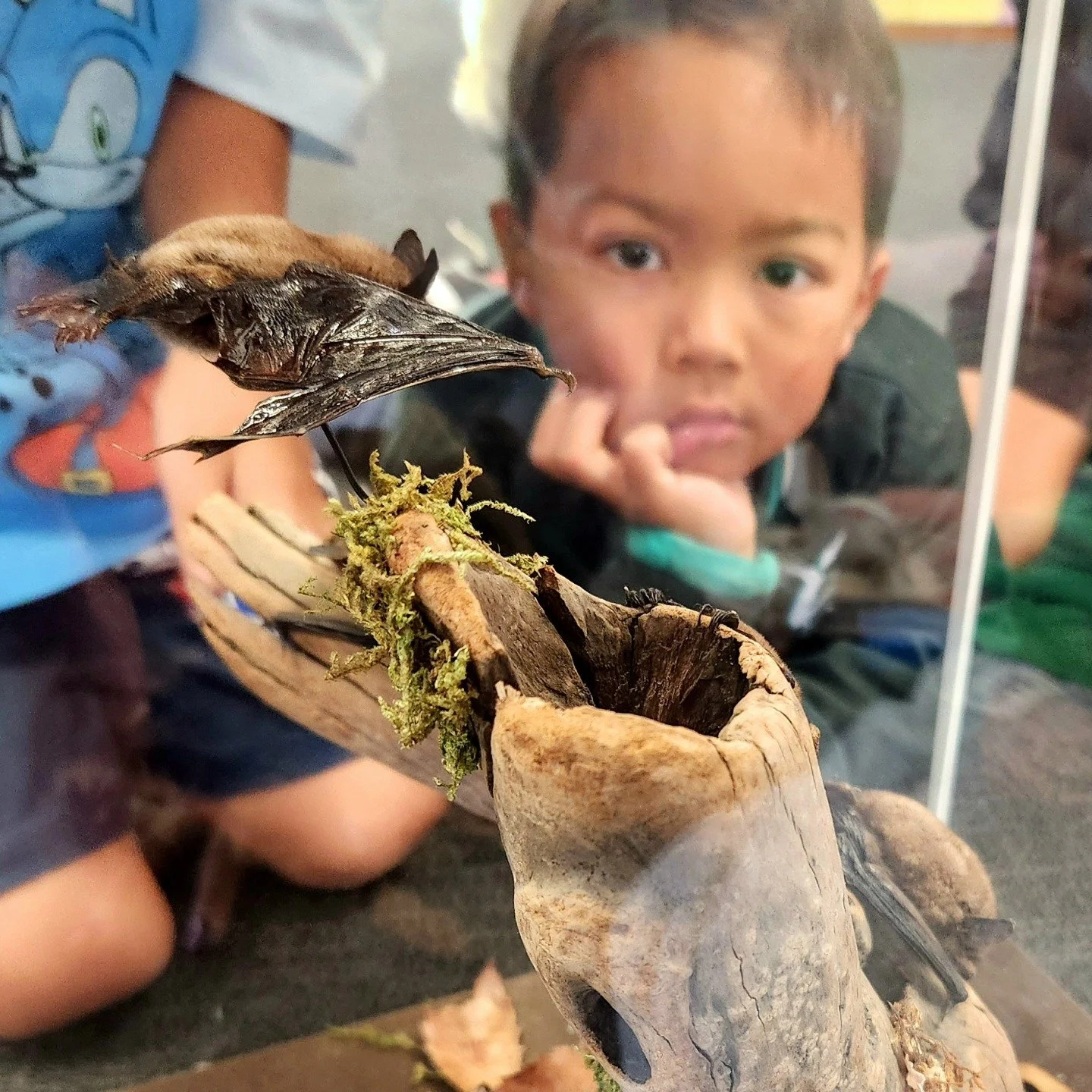
The timing coincides with increased educational focus on bats in local schools. Kids Greening Taupō has been visiting schools and kindergartens with taxidermy specimens borrowed from the Whakapapa Visitor Centre, whilst a performer, aptly named Tanya Batt recently presented a storytelling and singing show at the gardens.
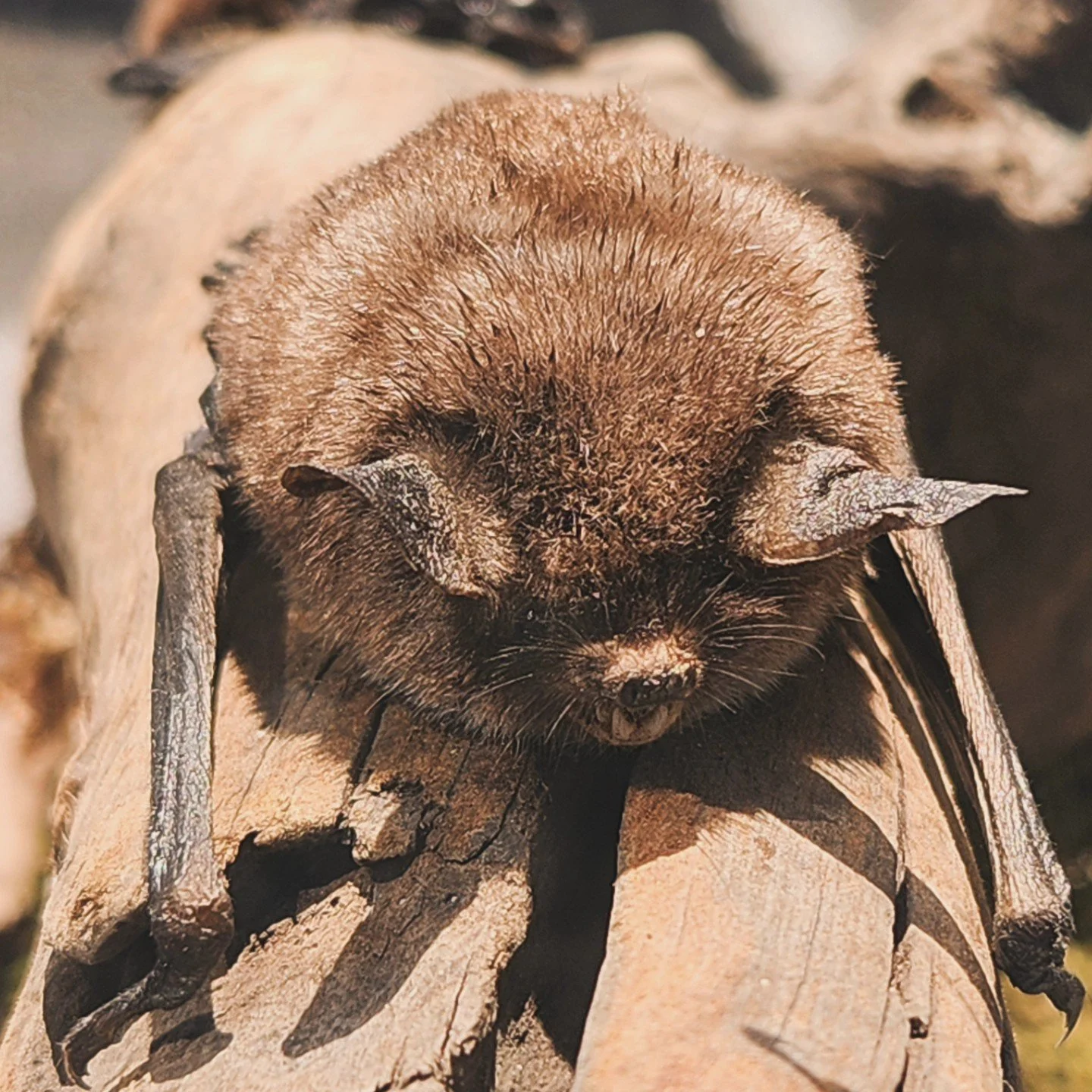
Long-tailed bats are about the size of a human thumb with wings and can easily be mistaken for swallows or large moths at dusk. They emerge from forest edges at sunset to forage over farmland, wetlands and waterways.
"New Zealanders don't necessarily expect to see bats at sunset. Even if we see them, I think we generally just think it's a bird or even maybe a big moth in some occasions."
The species faces significant threats from introduced predators, particularly cats, rats and stoats. Habitat loss poses another major challenge, as bats require old or dead trees with hollows and loose bark for roosting sites.
"Unfortunately, in New Zealand, people like to tame nature and people don't like dead trees, and bats need dead trees. Those trees that people like to cut down because they deem them to possibly be unsafe or not look nice anymore because they are dead and full of holes and hollows. Those are what our bats need."
Thompson encourages residents who spot bats to report sightings, as the information helps conservation efforts. Farmers with bush areas on their properties are particularly likely to observe bats emerging at dusk.
Thompson says responsible pet ownership helps with conservation efforts, particularly keeping cats indoors at night, and preserving old trees that provide essential bat habitat.
The artificial roost box will provide additional monitoring opportunities to better understand local bat populations.
The detection equipment will continue monitoring various locations around Taupō, and is on Mount Tauhara at the moment.
Pekapeka are New Zealand’s only native land mammal?
Rachel says they are looking for an arborist to help them attach the roost boxes high up in the trees and a roofing company to help by donating metal sheeting to wrap around the trunk above and below the box to keep predators out.