
Food for thought on conservation
By Dan Hutchinson
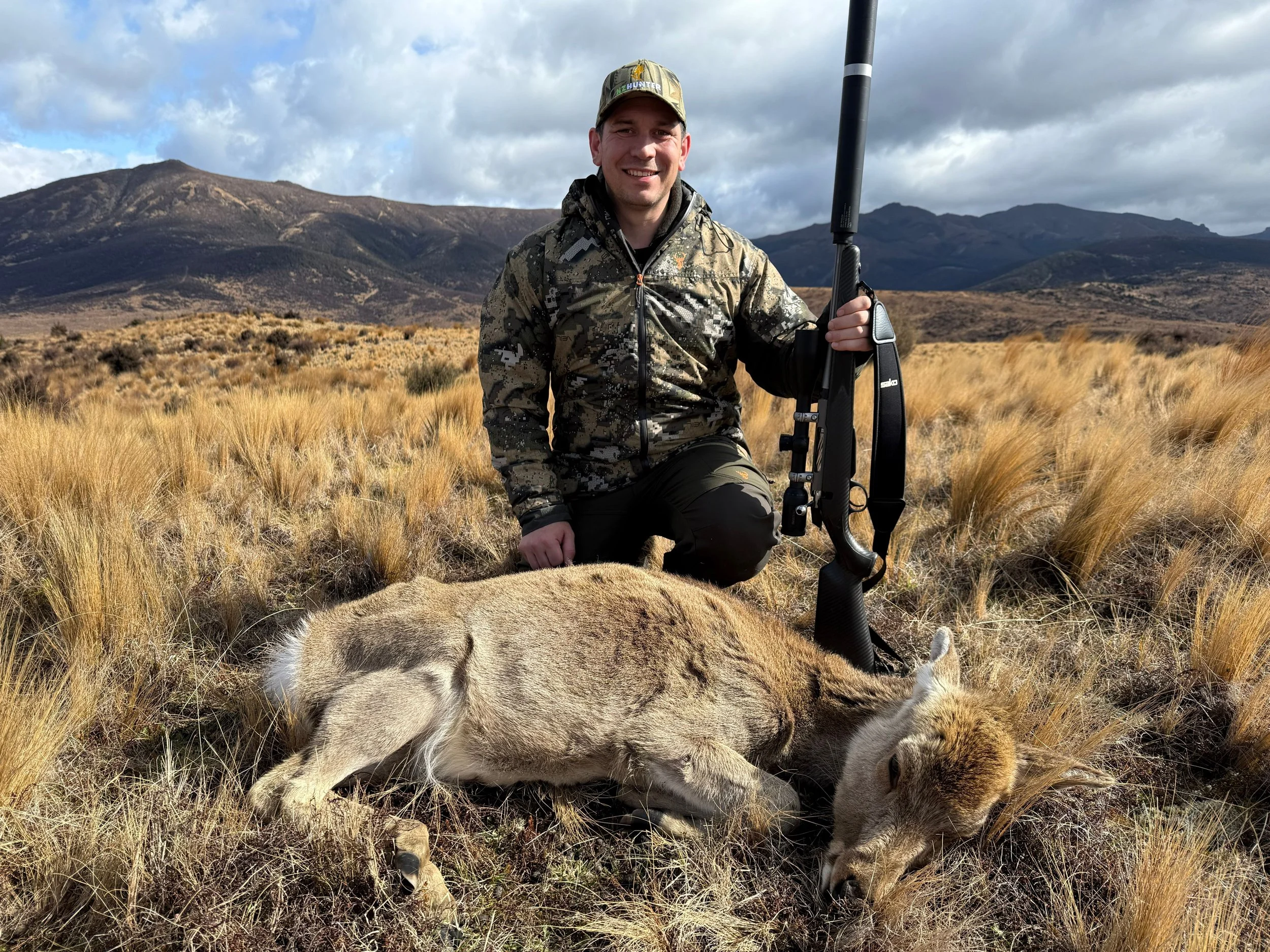
Hunting and Fishing minister James Meager with a sika deer.
The Sika deer population in the Kaweka and Kaimanawa Forest Parks is to be managed differently to the wider conservation estate.
Last week, the government announced the first two Herds of Special Interest (HOSI), which include Fiordland’s wapiti population and sika in the central North Island.
Until now, deer have strictly been considered a pest, browsing on native vegetation and destroying habitat for native fauna.
Taupō MP Louise Upston says the landmark decision will see sika deer managed under a “clearer, more coordinated framework”, which she believes will strengthen hunting opportunities and improve conservation outcomes.
The idea is to bring the deer population down to a more sustainable population, improving the quality of the deer and easing pressure on the ecology.
The Central North Island Sika Foundation will work with the Game Animal Council in the day-to-day management of the herd, alongside the Department of Conservation, iwi and hapū.
“This decision will empower the hunting sector to lead sensible herd management – ensuring hunters can put healthy animals on the dinner table, while better protecting our natural environment.”
The designation follows more than two years of collaboration between the Game Animal Council and Central North Island Sika Foundation, and the Department of Conservation.
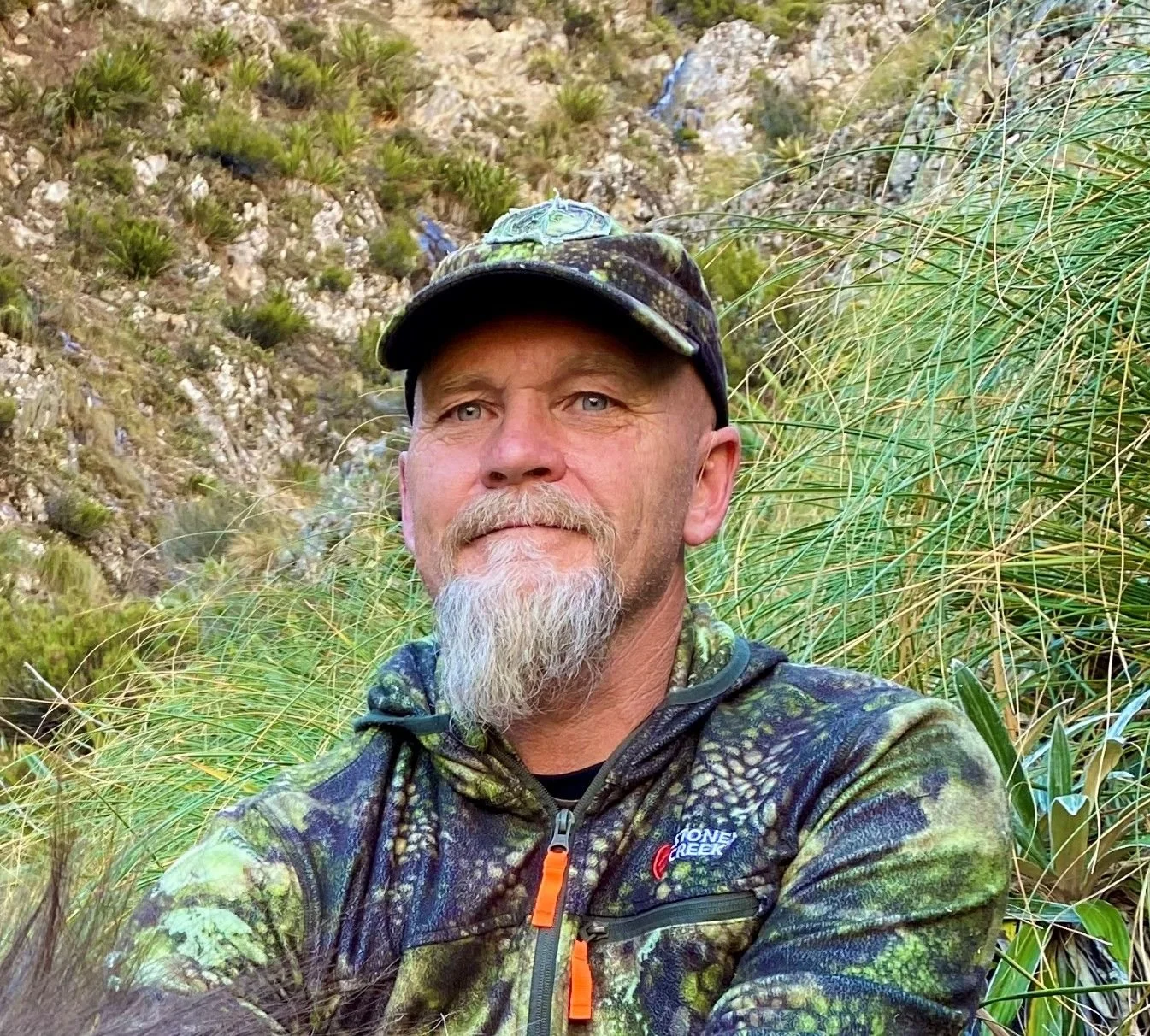
John Cook, Central North Island Sika Foundation President
Chantal Pagel, Forest and Bird’s regional conservation manager for Bay of Plenty, East Cape and Hawke's Bay says hunters make an important contribution to conservation but are not a “silver bullet”.
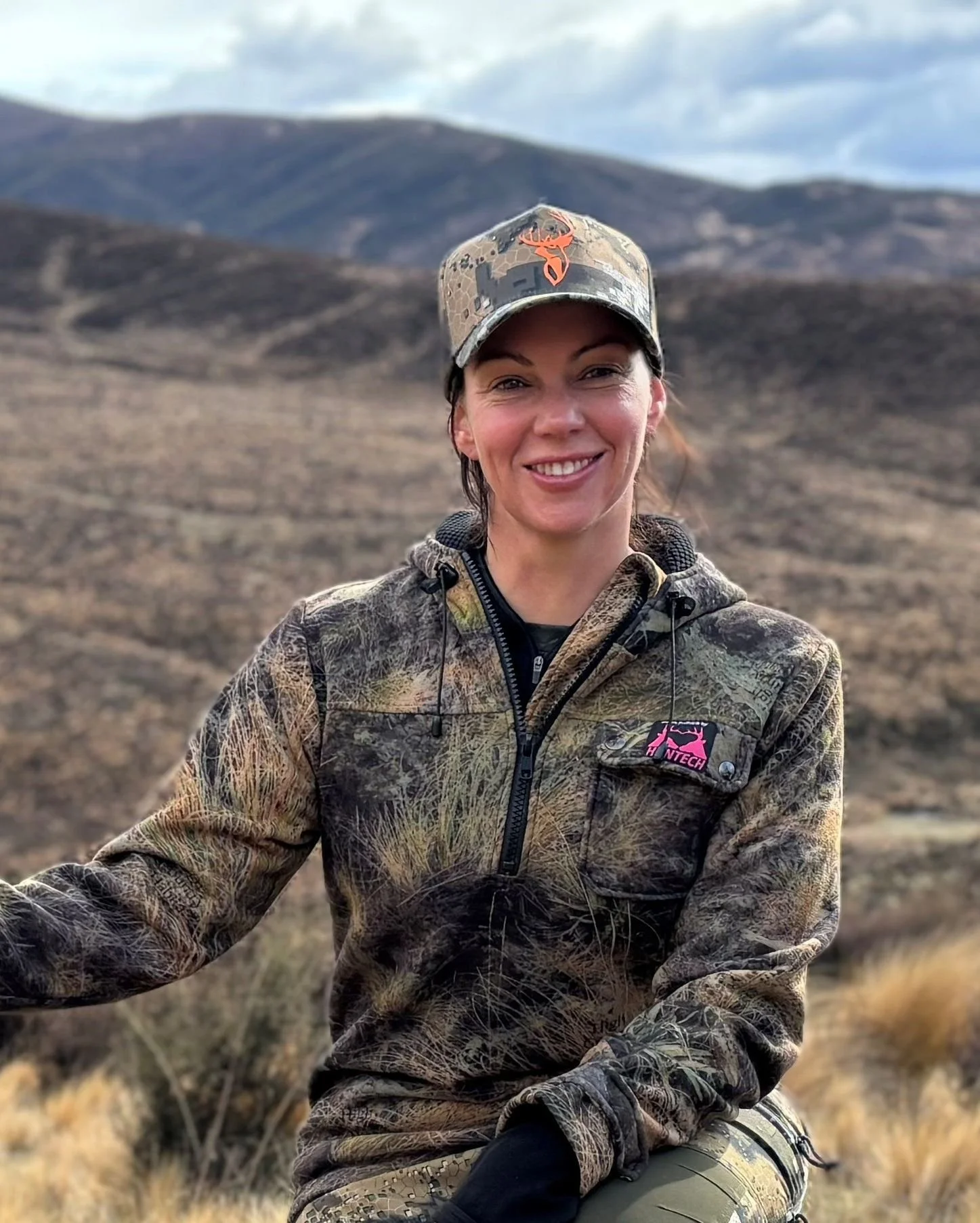
Corina Jordan, Game Animal Council CEO
She says there are two goals of a HOSI; firstly, to conserve ecological values, but also to maintain a high-quality hunting resource and this could be a conflict of interest.
“They (hunters) remove thousands of deer annually. They provide local knowledge and they detect changes on the ground. They reduce the need for government funded control in some areas. But we don't want to see hunting as the silver bullet.
“It is an important management tool, but it often does not achieve the deer densities [going] down that are actually needed to protect sensitive ecosystems."
She says there is a tendency for hunters to target accessible areas, leaving more challenging terrain vulnerable to browsing from deer. Hunters might also be tempted to target trophy stags rather than the hinds which are the key to breeding.
The Game Animal Council and Central North Island Sika Foundation say the special interest status recognises the importance of the sika herd to hunters, and the need for active management.
The Game Animal Council has been delegated management by Minister for Hunting and Fishing, James Meager.
Game Animal Council Chief Executive Corina Jordan says the Central North Island sika herd is the only wild herd of sika in the Southern Hemisphere.
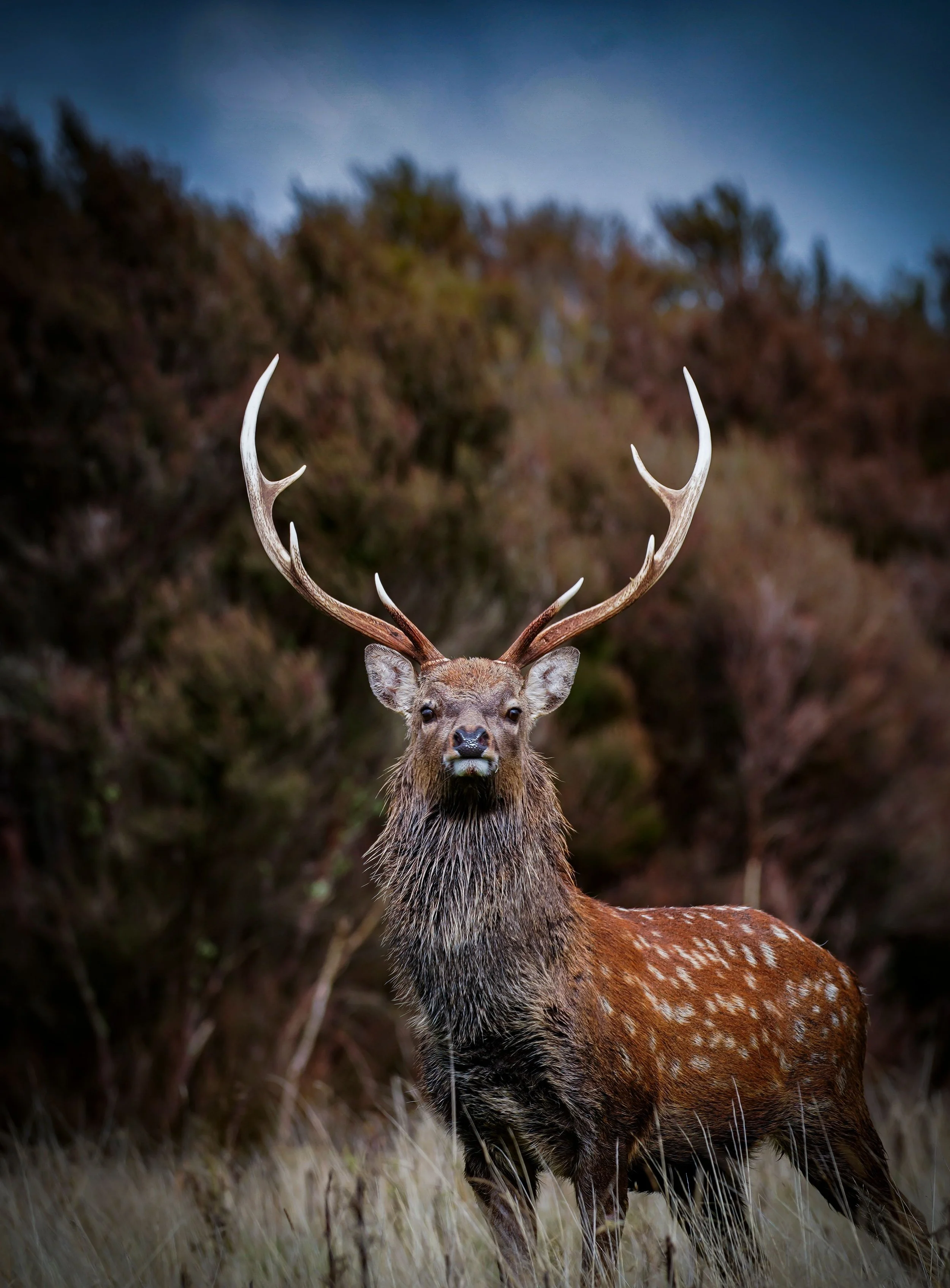
An 8-point sika stag. Photo: Gerald Fluerty
She says it’s an “iconic” herd and a significant food source for hunters and communities.
“The Sika Foundation has been undertaking active management of the herd for the last five years, alongside important conservation and community meat donation initiatives.”
Sika Foundation President John Cook says the sika hunting community has clearly shown over the past decade how much it genuinely cares about these special places.
“The Sika Foundation looks forward to continuing to work with community and embracing mana whenua perspectives and cultural values around how we look after these beautiful maunga into the future.”
Corina says the Foundation’s volunteers have put in a lot of work over recent years to understand the herd, support practical management and show that hunters are willing to step up where animal numbers are having an impact.
“Well-managed herds in good habitat produce better animals, and that is good for hunters, good for the forest and good for the future,” she says.
Sika Foundation Board Member Tom Loughlin says the HOSI was not viewed as ‘job done’ but as the start of the next chapter.
“Sharing the data and information gathered to date to get to this point is important to a wide range of communities, mana whenua, hunting and non-hunting groups.
“Essentially the learning has just begun and needs to continue if we are to strive towards balance in Te Taiao.”