
Call of the wild is strong
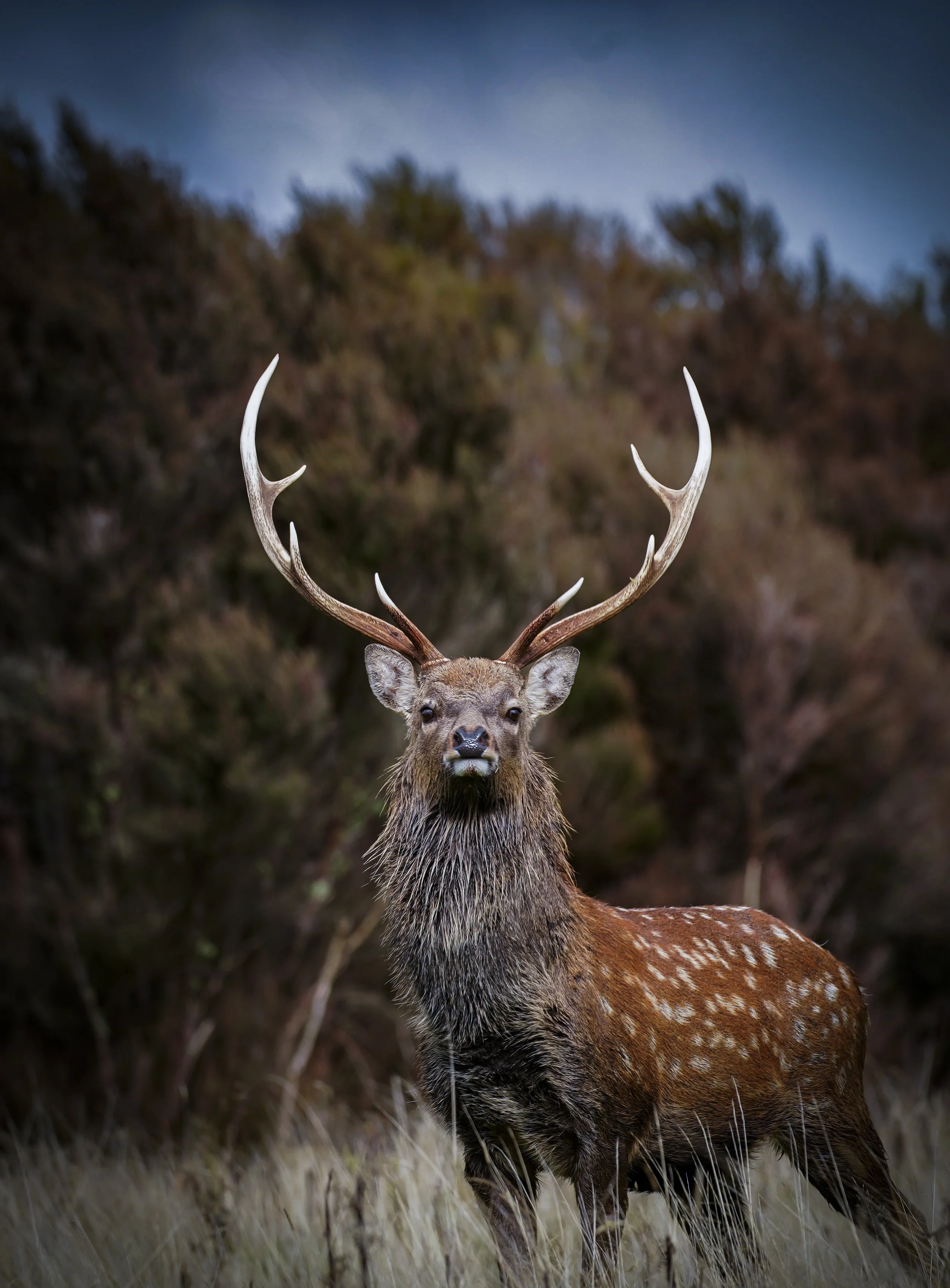
Thousands of hunters are heading for the hills in the central North Island over Easter weekend.
Personal safety and biosecurity are the main messages from authorities, with the main part of the roar coinciding neatly with Easter weekend and a bright weather forecast.
New Zealand Deerstalkers Association Chief Executive Gwyn Thurlow says the overlap in favourable factors will see increased numbers of hunters, trampers, and outdoor users sharing the same areas.
“This is a year where we will see more people than usual in the bush at the same time. Hunters, trampers, and families will be using the same tracks, huts, and valleys. That increases the risk, and it means everyone needs to take responsibility for safety.”
Hunters must identify their target beyond all doubt before firing.
“Movement, sound, colour or shape is not enough. If there is any doubt, do not shoot.
“The roar creates excitement and urgency. Hunters are moving, calling, and responding to animals. But we must remain disciplined. You never know what is on the other end of a roar. It could be another hunter.”
Incidents are more likely to occur within hunting parties than between separate groups, so good communication is essential.
“Wear high-visibility blaze clothing, maintain awareness of others, and ensure everyone in your party understands the plan and their role. These are simple steps that save lives.”
Te Tari Pureke – Firearms Safety Authority Director Communities and Corporate, Mike McIlraith, says there is an estimated 50,000-60,000 New Zealanders involved in big game animal hunting each year, and the Roar is the key event for many hunters.
He says good hunters will slow down, and run through some simple mental checks: Can I see the whole animal, or could this be another hunter? Where are my hunting companions – could this be them or someone else? How much of the animal can you see, if it is a hind or stag, how old is the animal, how many points does its antlers have?
“No meat or no trophy is better than no mate,” he says.
Meanwhile, the Department of Conservation is asking hunters to keep an eye out for invasive weeds, report any sightings, and to clean their gear before heading out.
Biosecurity Technical Advisor Connor Hines says invasive weeds like common heather, gorse, and broom are harmful to native bush and can quickly get out of control.
"Invasive weeds can outcompete native plants and animals and completely change ecosystems, if left unchecked. And if these weeds take over the landscape, it will also wreck the hunting experience.
“We’re after reports of things that look out of place – sites where it looks like the invasive weed is just getting established and DOC wouldn’t know about it already.”
Sightings can be recorded through the iNaturalist app, or by emailing info@doc.govt.nz with a photo and waypoint or detailed location.
iNaturalist allows people to take a photo in the app, it uploads with exact coordinates, and DOC gets an alert directly.
“But we realise not everyone has the app so, if you prefer to email, pictures and detailed location information are crucial. It’s a big wilderness out there.”