
Learning with a twist
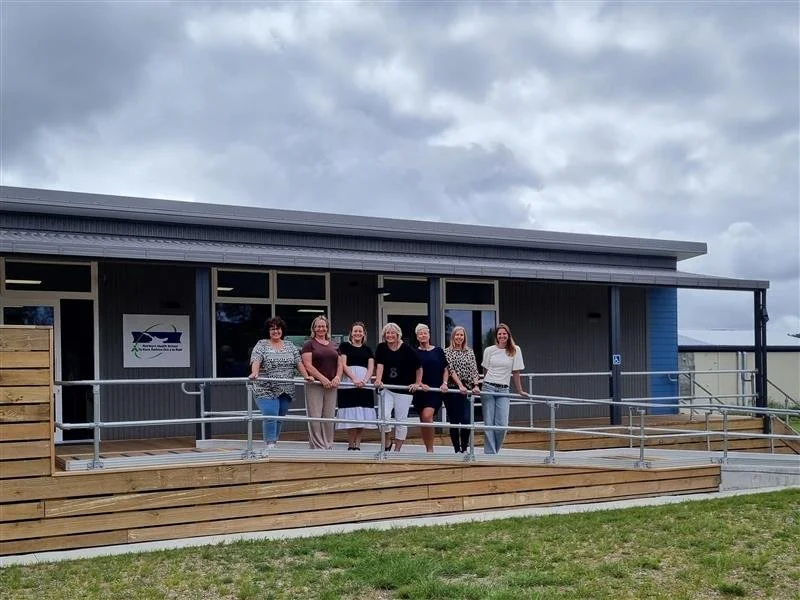
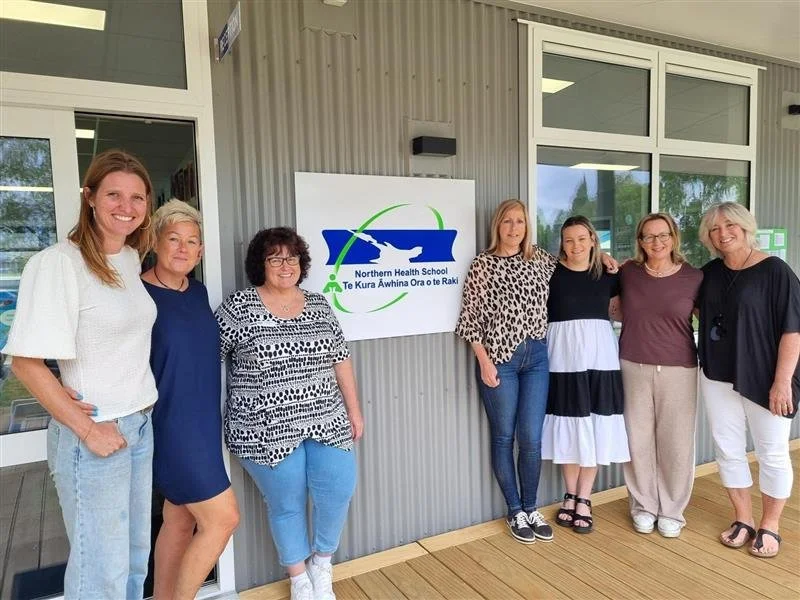
The opening of a new Northern Health School (Te Kura Awhina Ora o te Raki) classroom in Taupō marks a significant milestone for the local unit, says teacher and unit leader Maaike Clapcott.
By Chris Marshall
At the official opening on Wednesday, November 26, Maaike called the classroom – Te Puna Whakatipu (A place to grow and thrive) – more than just a building.
“It is a space designed for our ākonga (students). They are at the centre of everything we do.
“Every decision, every detail of this build was about creating the best environment for their learning and hauora.”
The Northern Health School (NHS) provides dual-enrolment education for those unable to attend regular school due to mental health, or other health-related needs with teachers working closely with whānau, schools, and health professionals to ensure continuity of learning and support during a student’s challenging times.
Referrals can come from schools, health providers or by enquiry but all need a medical certificate.
Based in Taupō for more than 13 years, the Taupō unit was originally at Mountview Primary School and then last year in a temporary location in the industrial area while the new classroom was being built and transported to Taupō Intermediate School.
Maaike says staff are thrilled to be in a purpose-built space – where they have been since July.
From about 10 students when the NHS moved into Mountview, the school now has 46 on its roll, served by six teachers and one teacher aide.
The Taupō branch of the NHS also works with students from Reporoa to Taumarunui, though most of its students are in the Taupō area, coming into the unit a couple of mornings a week.
“Because a lot of our students have mental health struggles, and they spend a lot of time at home, they find it a challenge to get out of the house. So that's part of our transition process – that we try to teach them somewhere else, so they're learning to get out of the house again and be in a different environment.
“So, for example, in Tūrangi we use the local library, in Taumarunui we sometimes use a high school building.”
While the aim is to ease students back into formal education, it is not necessarily the right path for all, she says.
“For some of our students a better pathway is… tertiary education or polytechnic or to enrol in apprenticeships or a job.”
There was always a health reason the students could not be in mainstream education.
“For 90% of our students here it is mental health.”
The NHS area covers the top half of the North Island, north of a line from Gisborne across to Taupō and Taranaki, looking after nearly 2,000 students.
The beauty of the job for local teachers is that they work with just 12 students or fewer, Maaike says.
“So we really have the time to create relationships and a lot of whanaungatanga goes into it, not just with the students, but of course also the whānau, the iwi, the community they work with, their normal schools (the school of enrolment)… but also the health team, so we're really able to make that connection and really get to know our students.”
This means staff and the student can co-construct a learning plan to get the best for them and their needs.
The school has many success stories, Maaike says, including helping Ari Pepper, the Taupō-nui-a-Tia College dux for 2025 in his transition back to formal schooling.
“We see successes when students are happy with what they're doing and happy with where they're at, when they are confident and know what they want to do in life and know what the next steps are that they want to take and they're health-wise able to take those next steps.”