BOP pest report reveals wins and losses
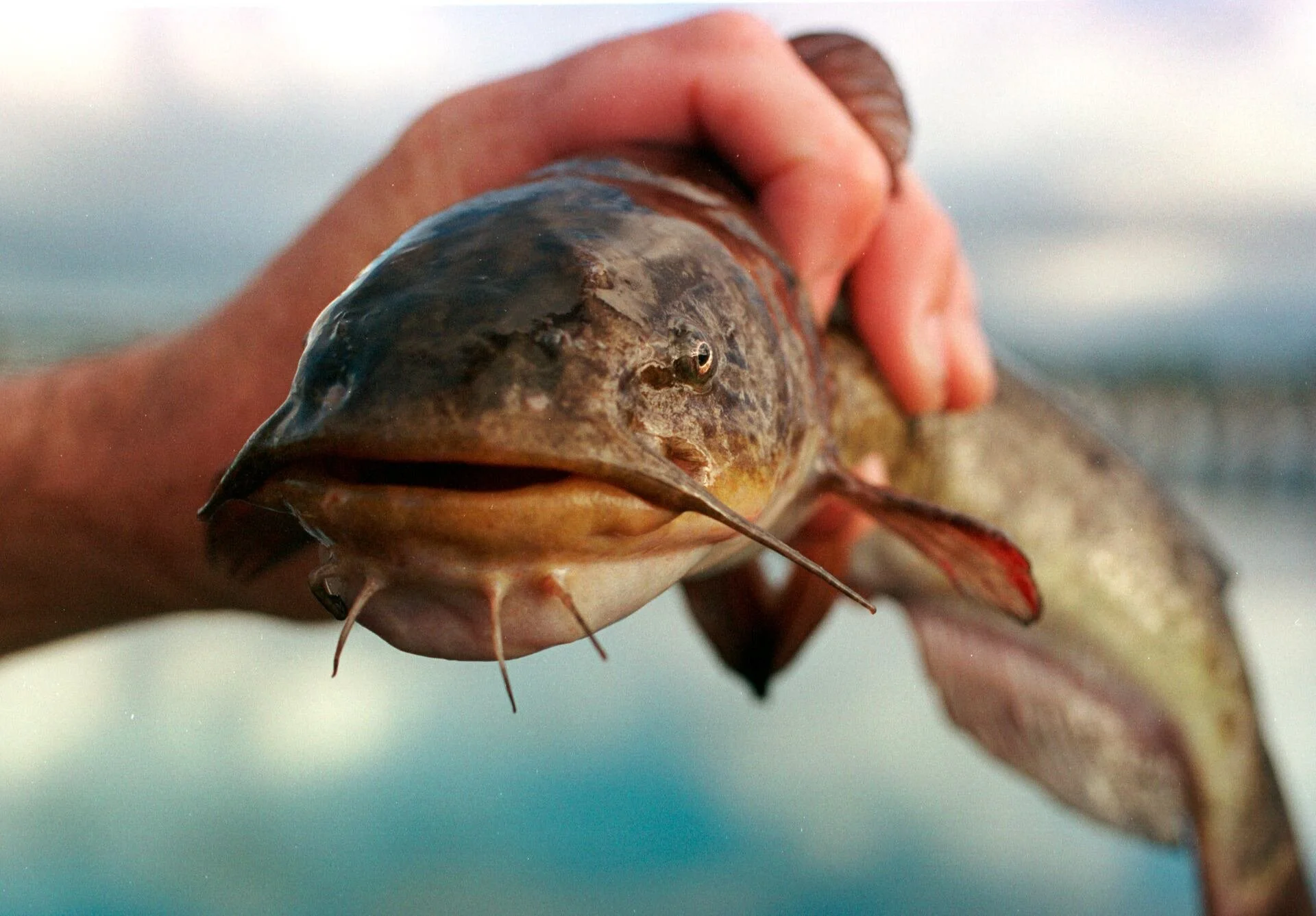
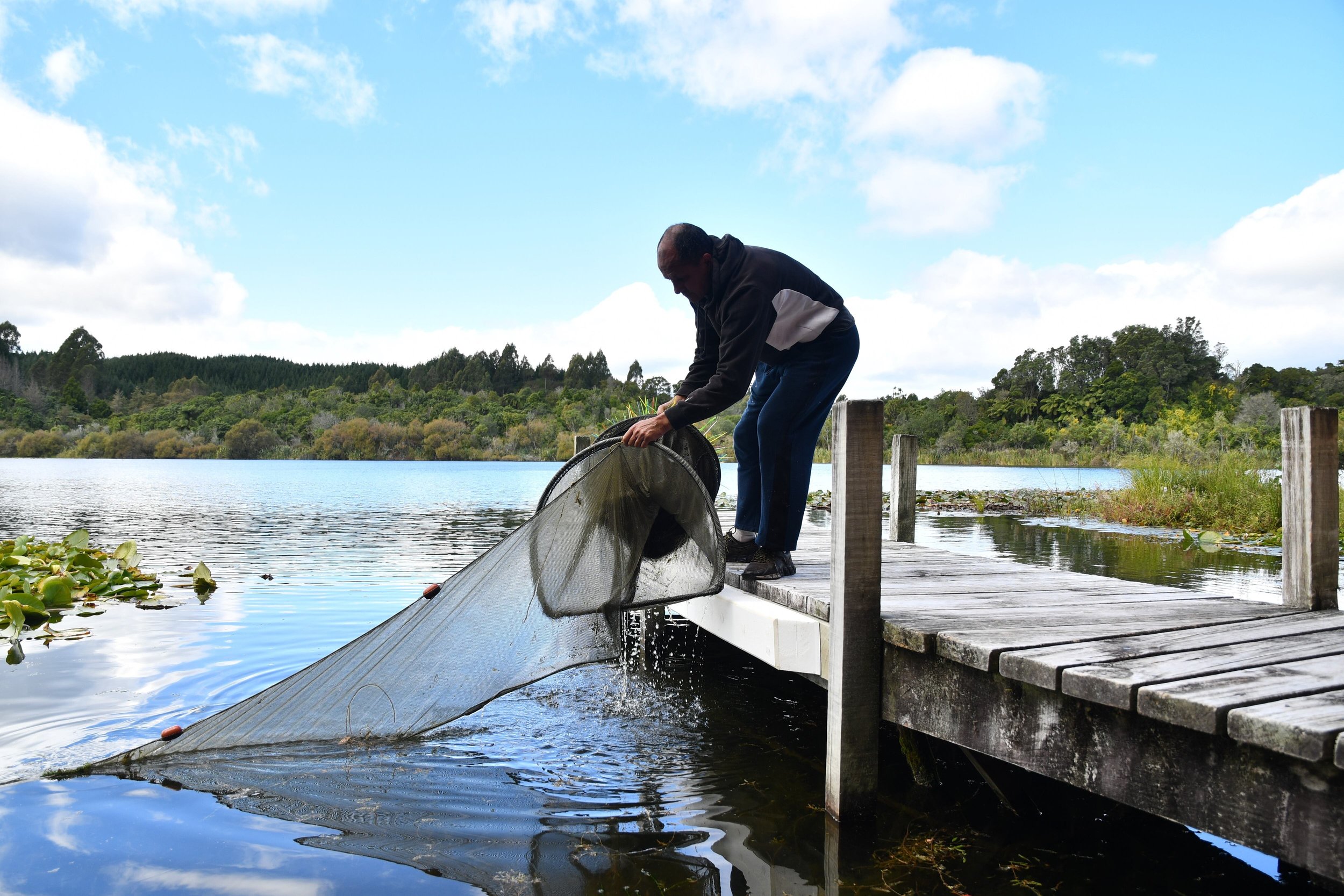
Te Arawa Lakes Trust's Catfish Killas work to remove the slimy invasive species from the rohe. Photo / Laura Smith
Wallabies have been eradicated in one forest and a lake restored – but catfish, crabs and some pest plants are spreading in the Bay of Plenty, a new report shows.
By Mathew Nash - Local Democracy Reporter
The Bay of Plenty Regional Council says it is “winning” the battle against invasive species despite the mixed results.
The council’s pest control report for 2025/26 was released last week.
It found 92% of pest management programmes were on track and no new pests became established.
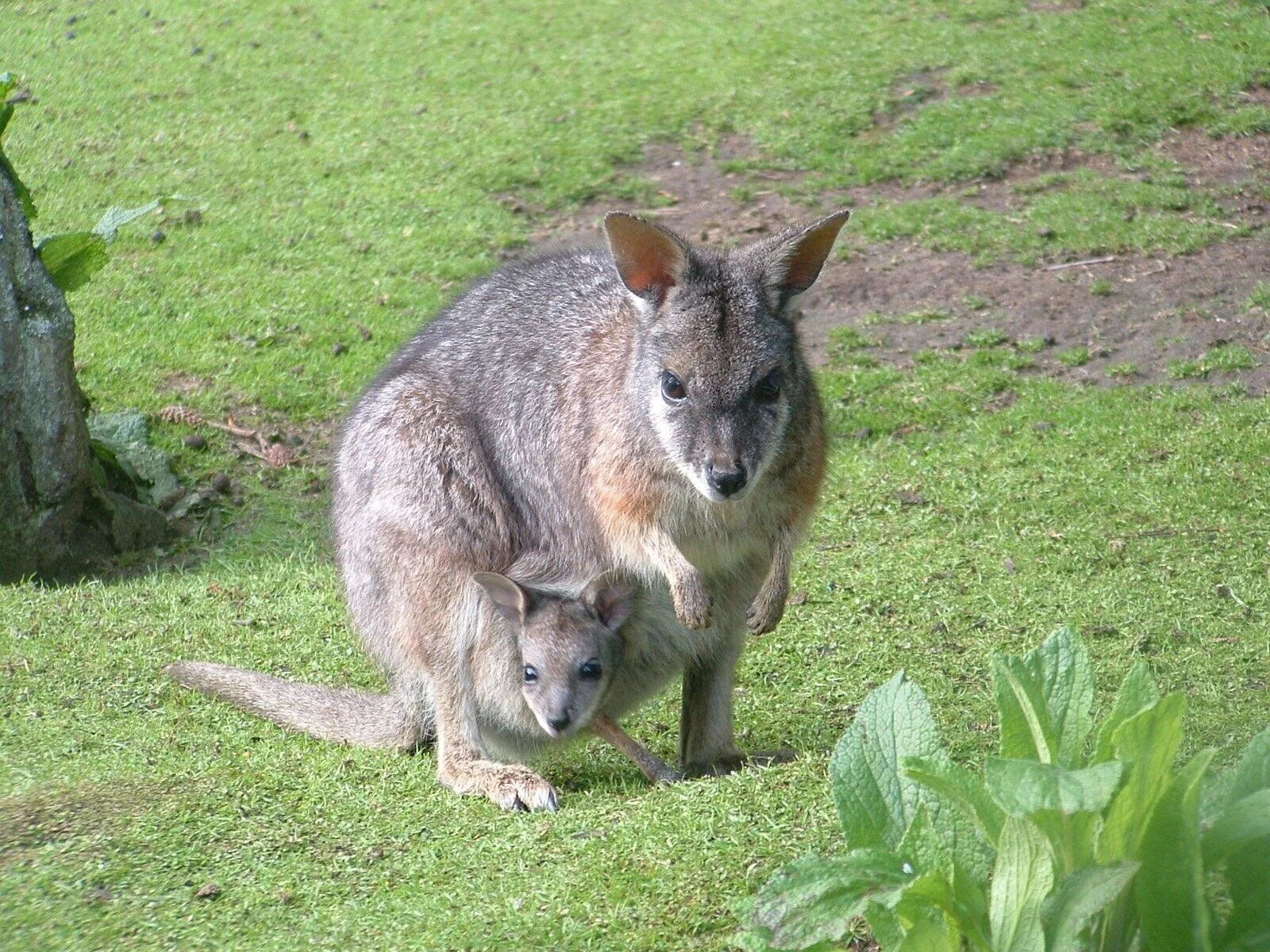
A major success was the elimination of wallabies from Endean Forest, near Rotorua.
Wallabies were introduced from Australia more than a century ago and spread unchecked. More than one million are now thought to live in the wild in New Zealand.
An aerial 1080 operation was carried out on Endean Forest in August 2025. A year later, surveillance cameras no longer detected wallabies in the forest or surrounding area.
The operation aimed to stop the pest from spreading west into the Mamaku Plateau.
Across the Bay of Plenty, 2295 wallabies were culled during the year, including 33 in areas targeted for complete eradication.
Lake Ōkāreka was another success. The lake’s health score rose from 36% in 2013 to 70% by 2025.
More than a decade of weed control has resulted in hornwort, one of New Zealand’s worst aquatic weeds, being undetected since 2015.
Two other invasive weeds, egeria and elodea, are also no longer detected, while lagarosiphon remains at low levels.
Wallabies were introduced here from Australia.
Council biosecurity manager Hamish Lass said the wallaby “elimination” was significant because it prevented population spread into the Waikato.
“It also supports the effectiveness of aerial 1080 as a tool to eliminate wallaby,” he said.
Lass said Ōkāreka was now “very close” to being free of invasive aquatic weeds.
“The lake’s strong ecological recovery shows what can be achieved through long-term investment, strong partnerships, regular surveillance and rapid response.”
However, one of the more significant concerns in the report was the surge in brown bullhead catfish in Lake Rotorua and Lake Rotoiti.
A total of 19,589 catfish were caught during the year, compared with 5477 the previous year, despite fewer nets being deployed.
The report said catch rates had increased substantially and noted most fish caught were juveniles, indicating strong ongoing breeding.
Lass said the council was “concerned” the population appeared to be increasing despite “ongoing control efforts”.
“While control operations removed nearly 20,000 catfish during the year, the data suggests the population remains resilient and may be growing.”
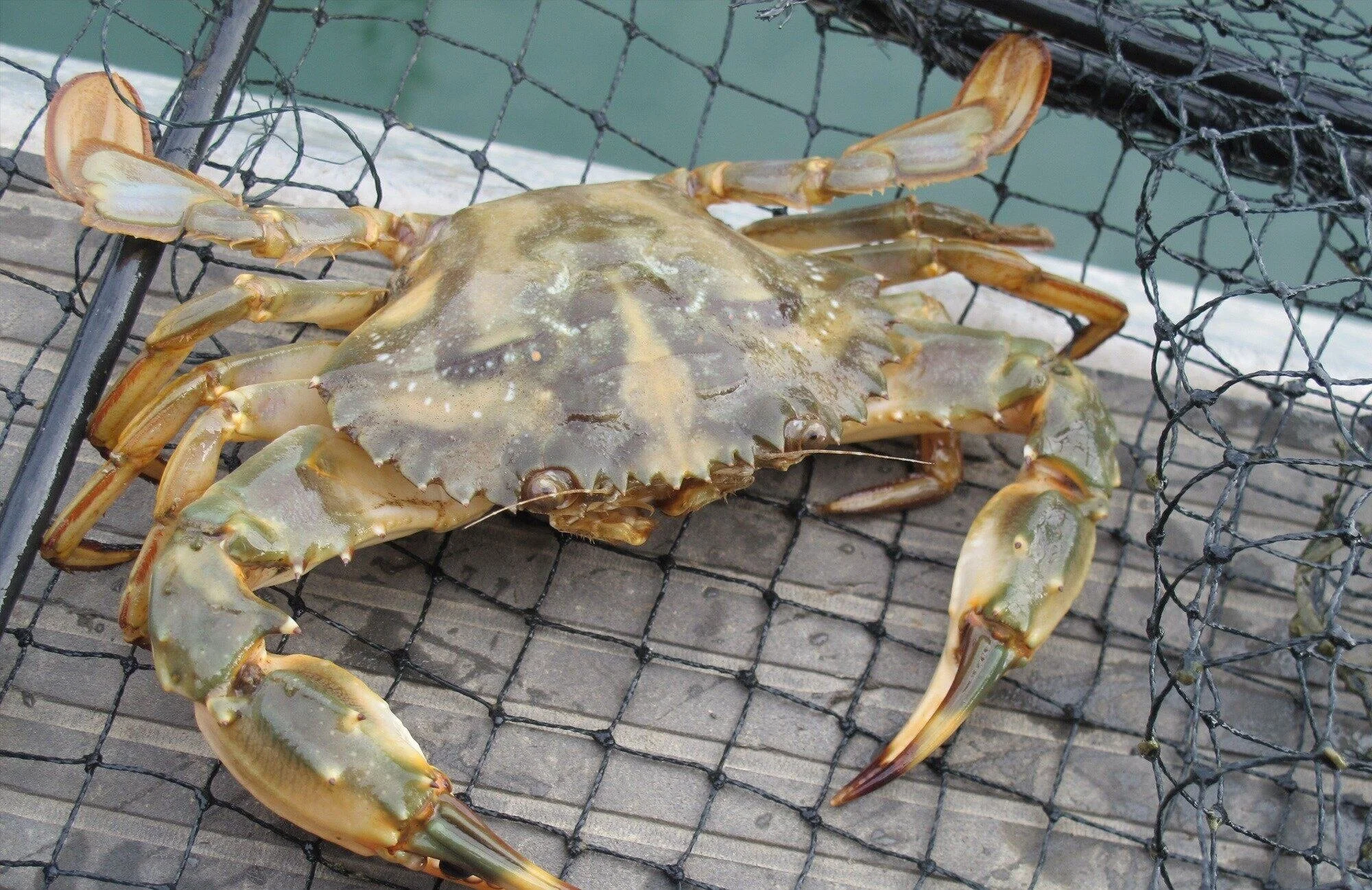
Meanwhile, the Asian paddle crab population in Tauranga Harbour is now so high that “containment is no longer realistically achievable”.
The Asian paddle crab is now established within Tauranga Harbour.
Lass said the focus had shifted to monitoring, targeted removals, community engagement and understanding the long-term impacts of the species on the harbour ecosystem.
Several widespread pest plant programmes are also struggling against infestations.
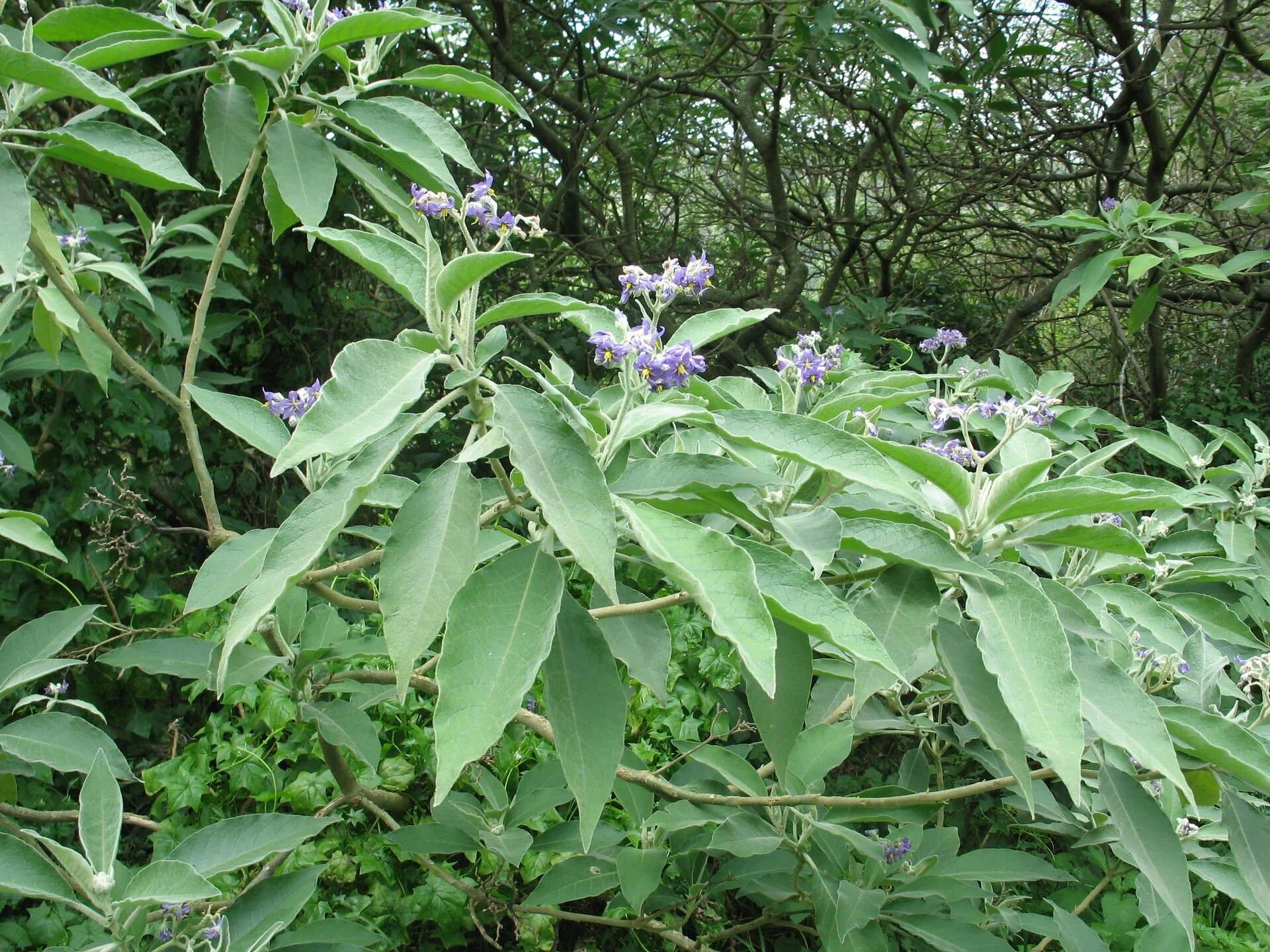
Woolly nightshade remains the region’s largest plant pest programme, with infestations spread across 1723 properties. Recorded pest cover increased by almost 29,000sq m during the year, reaching more than 335,000sq m.
Wild kiwifruit also expanded, with infestations increasing by more than 28,000sq m to almost 359,000sq m across 1074 properties.
“The wide-scale distribution of these species, the fact they are spread by birds, coupled with fast growth rates, makes them very challenging to manage,” Lass said.
He said the current budget and staff numbers were “not considered adequate” to make significant progress in managing these species.
Additional increases were recorded for yellow flag iris, Darwin’s barberry and apple of Sodom. The council attributed some of the growth to improved surveillance uncovering previously unknown infestations.
The report highlighted successes in controlling other invasive plants, including the near-eradication of sporobolus grass from Tauranga Moana estuaries and significant reductions in lantana, old man’s beard and Italian buckthorn infestations.
Overall, the council completed 4403 property inspections during 2025/26, received 1094 public inquiries and found no new exclusion pests (pests not currently known to be in the region).
Lass pointed to 92% of pest management programmes remaining on track and the absence of any new exclusion pests becoming established as evidence of success.
“Overall, the regional council considers the Bay of Plenty to be winning the battle against invasive pests and weeds.”
- LDR is local body journalism co-funded by RNZ and NZ On Air.