
A coordinated effort
James Meager, Minister for Hunting and Fishing. Photo: Supplied
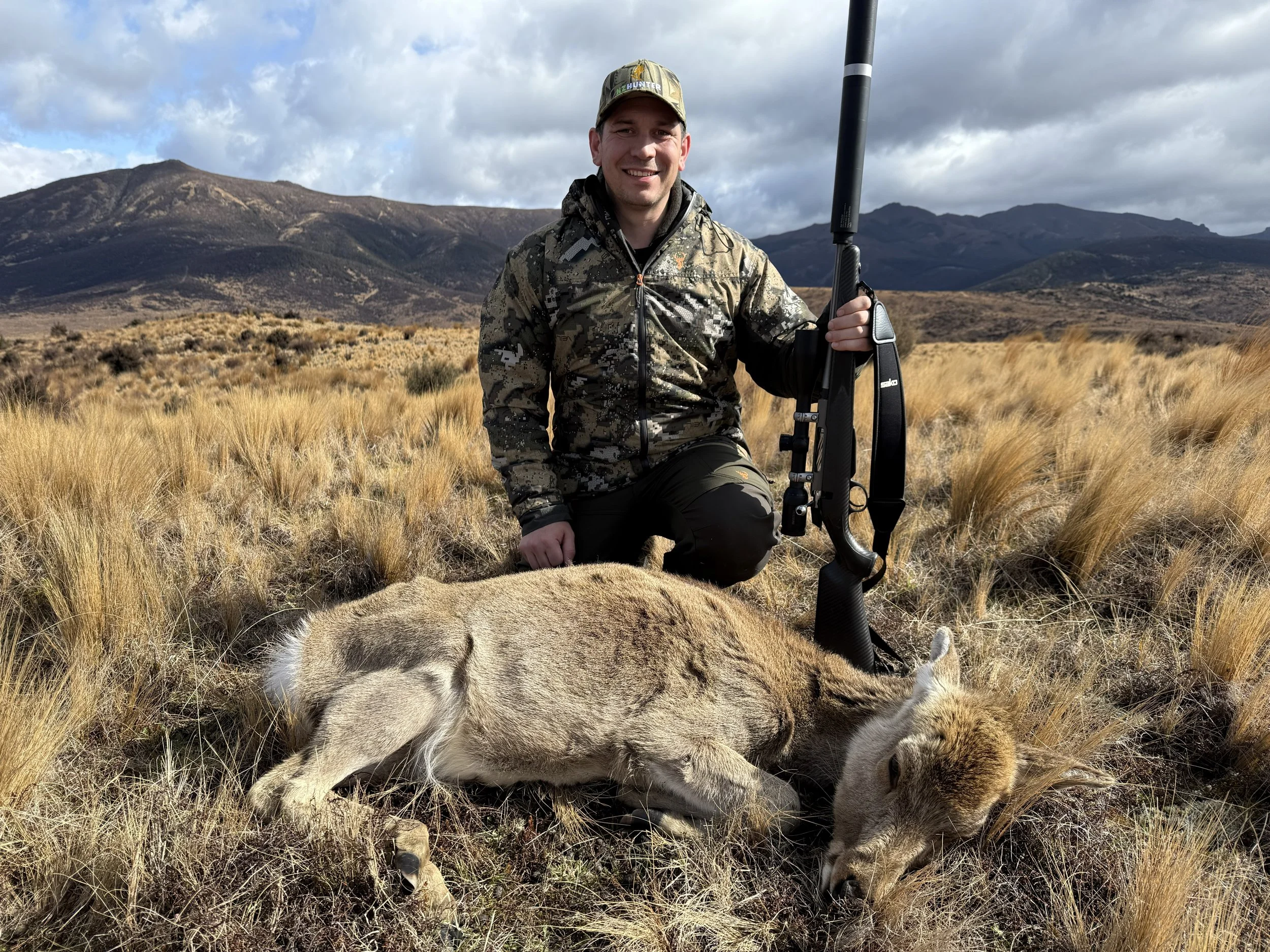
OPINION: The decision to designate sika deer in the Kaimanawa and Kaweka Forest Parks as the North Island’s first Herd of Special Interest (HOSI) reflects a practical approach to managing one of New Zealand’s valued game animals.
By Hon James Meager, Minister for Hunting and Fishing
It builds on the same principles applied to the recent wapiti decision (June), providing structure and clarity, while maintaining strong conservation safeguards.
At its core, this is about improving how we manage a well-established hunting resource within a defined area of public conservation land, while ensuring environmental protection remains central.
Importantly, this designation does not seek to increase animal numbers. The focus is on managing the herd responsibly over time, maintaining hunting quality while reducing browsing pressure so forests can regenerate and ecosystems remain healthy.
The Herd Management Plan sets clear expectations that sika will be actively managed in line with conservation legislation. Monitoring will play an important role, helping ensure impacts on native ecosystems are well understood and managed over time, with a formal review at least every five years.
A key outcome is improving forest health. This will be done by reducing browsing pressure on young trees and seedlings, so they can grow and contribute to canopy regeneration, as well as improving the condition of the forest understory in areas of high biodiversity. These are practical, measurable outcomes that support the long-term resilience of these environments.
As with any decision involving public conservation land, roles and responsibilities are critical. The Department of Conservation (DOC) will continue to provide oversight of conservation outcomes and will be responsible for monitoring biodiversity and ecosystem health.
For sika, day-to-day management will be delivered by the Game Animal Council under delegated authority. This reflects the Council’s statutory role in supporting the hunting sector and its ability to help coordinate management activity associated with a HOSI.
The Council will work alongside DOC, iwi and hapū, and partners such as the Sika Foundation to deliver the plan. This partnership approach is important. The Sika Foundation has made a long-standing contribution to herd management and monitoring in these forests, helping build a strong understanding of herd dynamics and hunting pressure over time.
This experience matters. Managing a herd like sika requires coordinated effort, good information, and strong connections to those who are regularly on the ground. The HOSI framework recognises that reality and builds it into a more structured approach to management.
For hunters, there will be very little immediate change. Public access remains the same, and hunting will continue under the existing permit system. Hunters will be able to select a HOSI area when applying for their hunting permit on the DOC website.
What will change over time is how management is coordinated. With clearer planning and more consistent monitoring, there will be a stronger link between on-the-ground activity and the outcomes we are trying to achieve, both for hunting and for the environment.
Hunters can expect continued opportunity, with an ongoing focus on maintaining a high-quality hunting experience. Any changes are likely to be gradual and informed by monitoring, such as how effort is focused to support both herd quality and forest health.
It’s also important to be clear about what this does not change. I retain overall decision-making authority and can amend or remove the designation, or any delegation, if required. DOC’s statutory responsibilities remain firmly in place.
This decision followed a full statutory process, including public submissions, engagement with iwi and hapū, and advice from relevant agencies and organisations. It reflects a range of perspectives and aims to deliver a balanced and durable outcome.
This is a piece of work spanning more than decade, with legislation supporting the creation of HOSIs passed back in 2013. In 2023, the National Party made a commitment to hunters that we would establish the world’s first ever Minister for Hunting and Fishing and designate our first HOSIs this term. I’m proud to deliver on this promise.
For rural communities, neighbouring landowners, hunters, and conservation stakeholders alike, this designation is a pragmatic step forward. It recognises the value of hunting, reflects the importance of conservation, and provides a more structured way to support both.
Ultimately, this is about outcomes: healthy forests, well-managed herds, and continued opportunities for people to hunt and connect with the outdoors.
That is the balance we are working to achieve, and I am confident this approach provides a practical and durable path forward.